
US-Iran War: Oil Prices, Rupee and India’s Economy Under Pressure
What do a secret flight involving US President Donald Trump, a weaker Indian rupee, and rising crude oil prices have in common? The answer lies in the escalating US-Iran war, which is keeping global markets on edge.
Recently, US President Donald Trump was reportedly moved secretly to another aircraft during his trip from Turkey after security officials assessed a higher risk linked to an alleged Iranian assassination threat. He later confirmed that the aircraft switch was made following security advice. The episode underlines the intensified security concerns surrounding the ongoing Middle East conflict.
But for Financial Markets, the bigger concern is energy amid US-Iran war
The Strait of Hormuz, one of the world’s most significant oil shipping routes, remains at the centre of the US-Iran war crisis. Uncertainty over shipping through the strategic waterway has raised concerns about potential supply disruptions, pushing crude prices higher. According to recent reports, Brent crude is trading close to the $90 per barrel level.
How Oil Prices Put Pressure on the Indian Rupee?
India is particularly vulnerable to a sustained rise in crude oil prices since the country depends heavily on imported oil. When international crude oil becomes more expensive, India’s import bill rises, leading to increased demand for dollars and potentially putting additional pressure on the rupee.
Notably, the Indian currency was trading at nearly ₹95.43 against the US dollar on August 12, with higher oil prices contributing to pressure on the currency.
Not only that, the impact can extend well beyond petrol and diesel amid US-Iran war. Higher crude prices can increase transportation, logistics, aviation and manufacturing costs. Eventually, these higher input costs can feed into prices across the economy, which creates additional inflationary pressure.
What Happens If Strait of Hormuz Tensions Continue?
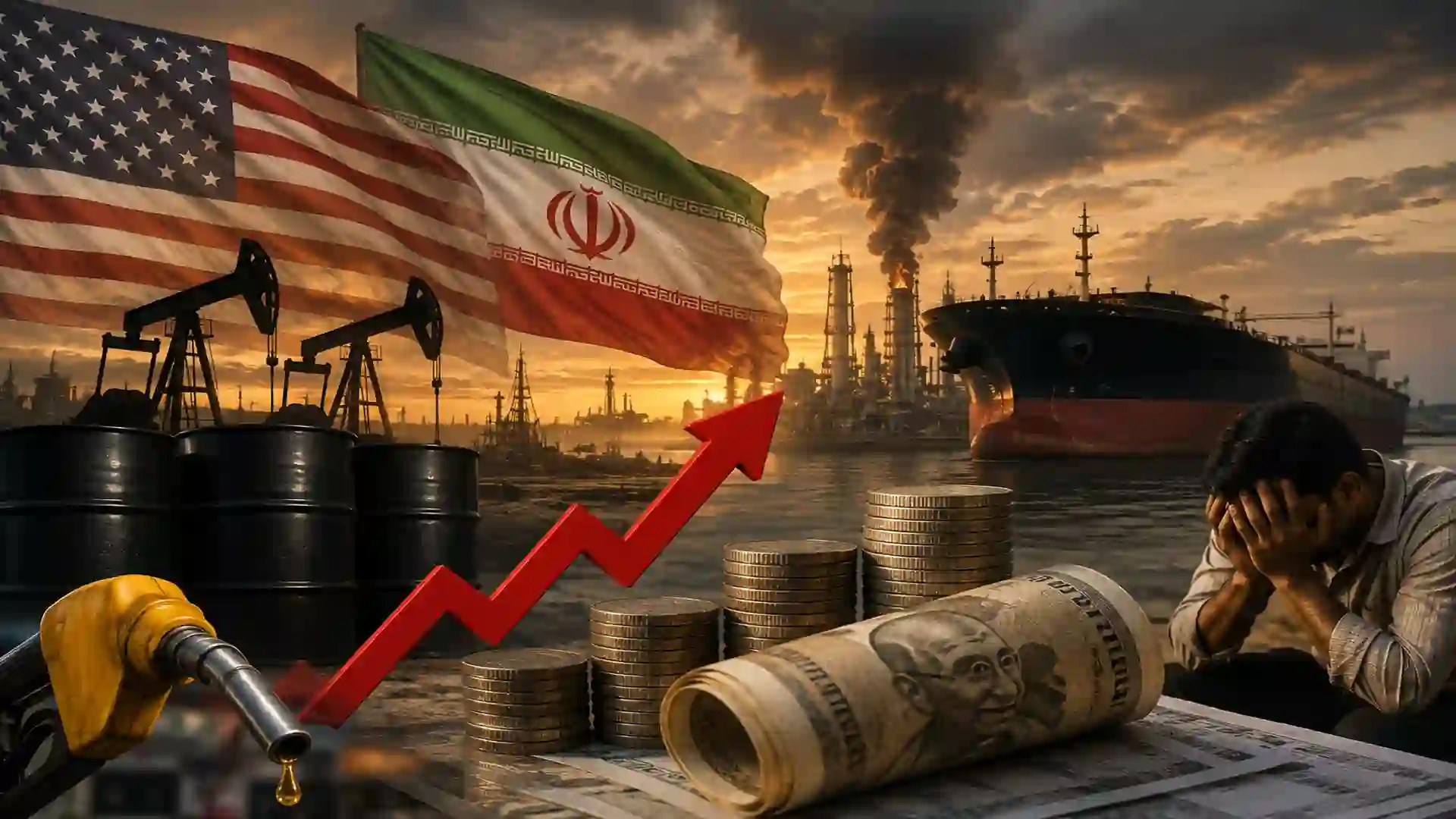
For investors, the situation creates another layer of uncertainty. Prolonged disruption near the Strait of Hormuz could keep energy prices elevated, weaken currencies of oil-importing economies and rise volatility in the global financial markets. Significantly, the current market chain is therefore straightforward:
US-Iran War increase Strait of Hormuz risk, which pushes higher crude prices, creates pressure on the rupee increase inflation concerns, and further generates market volatility. For India, the major question is how long expensive oil can persist before it starts creating a broader economic shock. With negotiations and tensions continuing to influence energy markets, investors will be watching every development closely.