
US-Iran War Escalation: Impact on Oil Prices, Global Markets, and Sudan Crisis
US-Iran War Escalation: Impact on Oil Prices, Global Markets, and Sudan Crisis
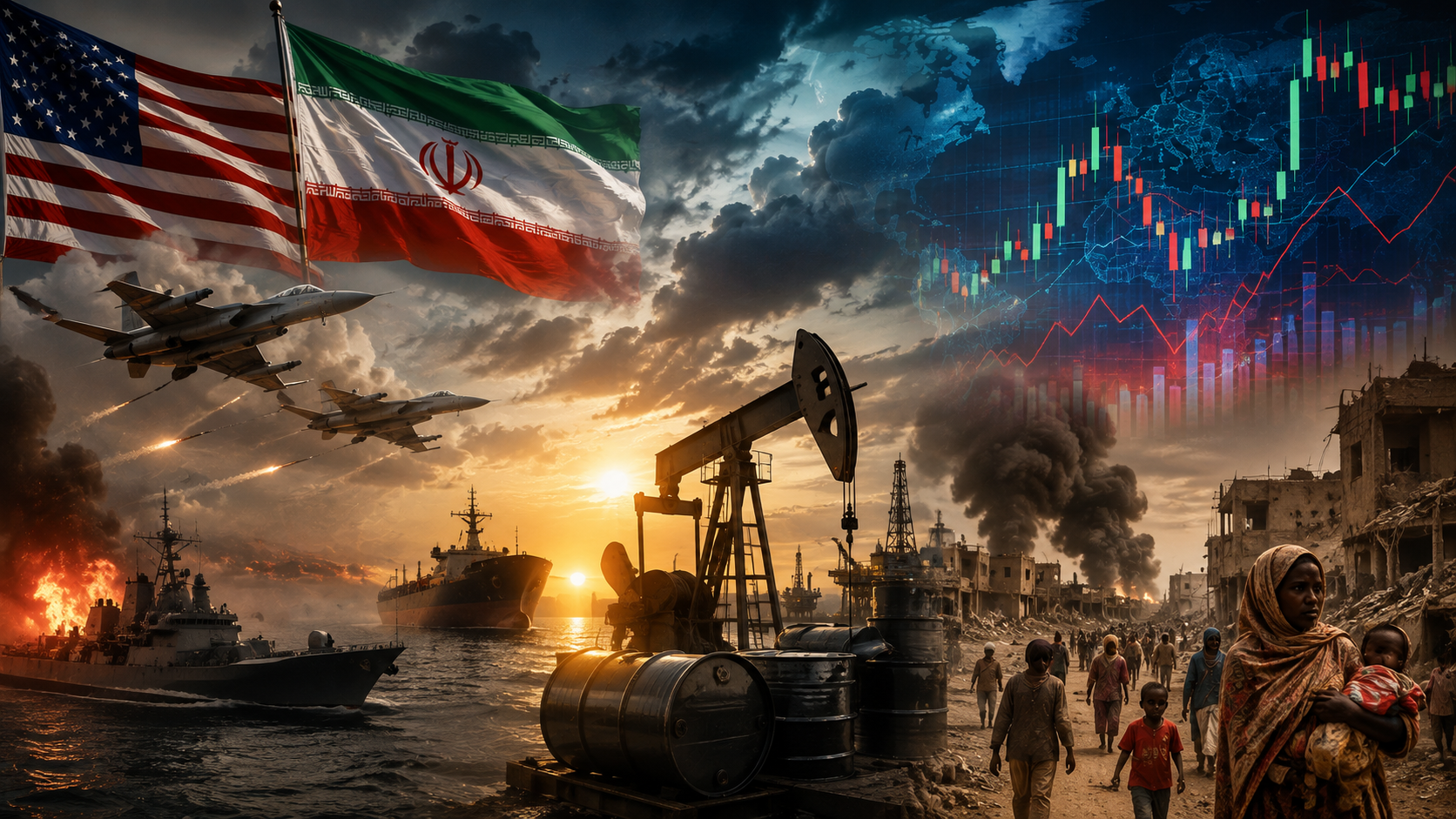
The geopolitical landscape is experiencing a significant shift as two major conflicts that once appeared separate begin to overlap. Notably, the ongoing Russia-Ukraine war and rising tensions in the US-Iran war are now generating broader concerns for energy markets, international trade, and economic stability. Moreover, the latest developments have intensified fears that military alliances and supply networks could associate these conflicts, which turned regional disputes into a broader global challenge.
US-Iran War Tensions Escalate: Ukraine-Iran Link Raises New Security Concerns
The situation escalated further after Ukrainian forces targeted an Iranian-linked cargo ship in the Caspian Sea, which is located more than 1,000 kilometres away from the main battlefield. The incident reportedly resulted in one casualty and prompted Iran to warn of possible retaliation. Significantly, the Caspian Sea has emerged as a strategic route for transporting military equipment, such as Iranian-made drones and missile components, to Russia. Ukraine has indicated that countries supporting Russia’s military operations could witness consequences beyond traditional front lines. This particular development has amplified concerns about a wider geopolitical tensions involving Russia, Iran, and their international partners.
How Do Gulf Nations Push For Regional Stability?
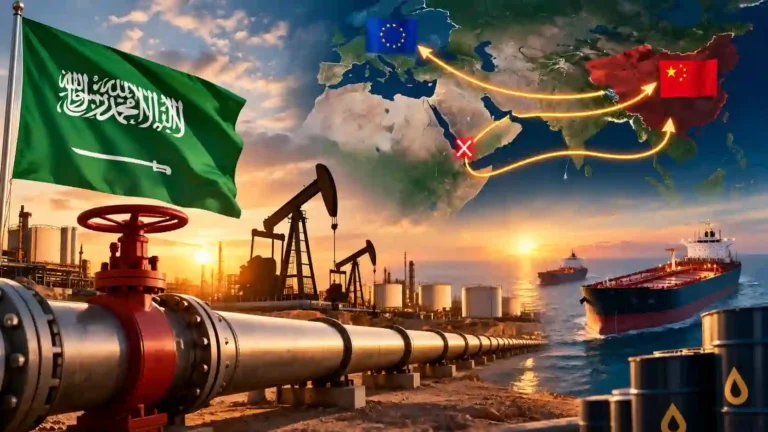
As tensions rise, diplomatic efforts are also gaining traction in the mainstream media. Ukrainian President Zelensky has been boosting defence relations with Gulf countries such as Saudi Arabia, Qatar, and the UAE. At the same time, reports stated that Saudi Arabia has encouraged Washington to avoid large-scale military action against Iran by warning that an expanded conflict could threaten Gulf energy infrastructure and destabilise the region. Saudi Arabia’s push for de-escalation indicates concerns that any disruption in the Middle East could have severe consequences for global energy supplies.
How Do Oil Prices React To Rising Uncertainty
Broadly speaking, the impact of geopolitical tensions is already visible in commodity markets. As crude oil prices have moved higher, traders assess the risks of supply disruptions in significantly energy-producing regions. Surprisingly, WTI crude has climbed to nearly $84.67 per barrel, whereas Brent crude is trading near $87.93 per barrel. Moreover, any further escalation near the Gulf region or shipping routes could raise volatility in energy markets. Higher crude prices can also impact economies dependent on oil imports, rising fuel costs and adding inflationary pressure.
How US Dollar Reacted And The Tensions In Sudan
Not only energy markets but currency movements are also reflecting global uncertainty as the US dollar has risen, with one US dollar trading nearly ₹95.40, making imports such as crude oil more expensive for countries like India. The economic impact is not limited to major powers. And Sudan is facing additional challenges as rising fuel costs, disrupted trade routes, and higher food prices worsen an already severe humanitarian crisis.
A Conflict Far Beyond the Battlefield
The latest developments show that modern conflicts are no longer limited to military zones as energy supplies, shipping routes, currencies, and global trade networks are increasingly connected to geopolitical decisions.
The evolving Russia-Ukraine and US-Iran War underscores how regional conflicts can quickly impact economies worldwide. Investors, governments, and businesses are closely watching diplomatic moves as markets prepare for possible disruptions.
The upcoming weeks could prove vital in determining whether these tensions move toward negotiation or create a larger global economic shock.