
Drought Fears Drive Up Rice Prices Across South India as Monsoon Weakens
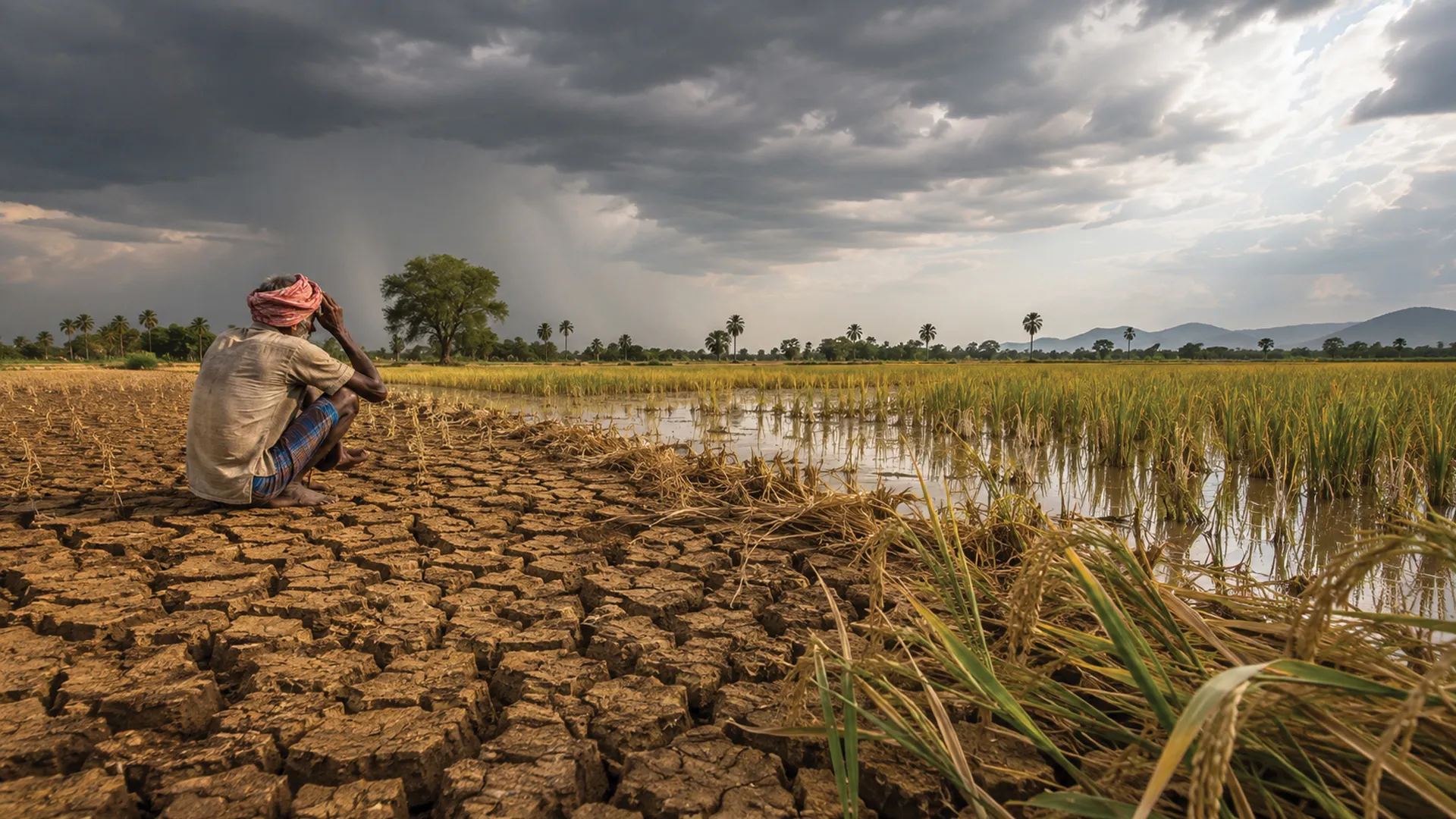
Rice prices in several South Indian states have climbed due to concerns about deficient rainfall and a potential drought during the crucial kharif season. With the southwest monsoon proving to be inconsistent in several rice-producing areas, traders, millers, and farmers are on edge about the potential impact on production.
The rise in prices reflects the market’s sensitivity to the potentially damaging effects on India’s rice output, which, despite a surplus, has driven prices higher amid fears of lower yields.
Why Are Rice Prices Rising?
The main reason behind the recent increase in prices is the concern about deficient rainfall in several southern states. Due to rice’s high-water requirements, below-average rainfall during the planting and early growth stages can lead to significantly lower yields.
Meanwhile, the market is seeing increased buying as traders and millers seek to secure supplies, while others speculate on higher prices later in the year. These factors have contributed to higher prices in several wholesale markets.
Impact on Farmers
The next few weeks will be crucial for farmers, as additional rainfall is needed to ensure healthy plant growth and prevent further declines in output. If the monsoon improves, farmers can expect prices to rise, while those suffering from deficient rainfall may see the following:
- Decreased yields
- Higher costs due to the need for supplemental irrigation
- Reduced profit margins in rain-fed areas
States that rely heavily on monsoon rains for their rice crops are especially vulnerable to further dryness.
What Does It Mean for Rice Traders and Exporters?
As the world’s largest exporter of rice, India supplies over 150 countries with both basmati and non-basmati rice.
Inconsistent rainfall leading to lower national output could cause prices to rise, impacting exporters’ profit margins. Despite India having ample stocks of rice, traders are still waiting for more information on this year’s harvest before making significant purchases. Meanwhile, exports, the rupee’s value, freight rates, and government policies are expected to play a significant role in the coming months.
Could Consumers See Higher Prices?
While higher wholesale prices can lead to higher retail prices, several factors will need to be considered before any significant increases are seen. These include:
- Improvement or lack thereof in monsoon conditions
- Government intervention
- Domestic demand
- Overall size of the Kharif rice harvest
With India’s government possessing significant stockpiles of rice, prices are unlikely to rise sharply due to fears of lower production.
Weather Will Decide the Market
As meteorologists continue to monitor the weather, any improvement in rainfall will be crucial in determining the future of prices. Meanwhile, further dryness beyond the deficient monsoon season will lead to higher prices.
The next few weeks will be crucial in determining the future of India’s rice market.
Outlook
While current rice stocks can ease concerns about prices, fears of deficient rainfall have already impacted the market. With farmers, traders, exporters, and the government all watching the monsoon, higher rainfall could lead to prices stabilizing. However, if dryness persists, prices are likely to remain high throughout the Kharif season.