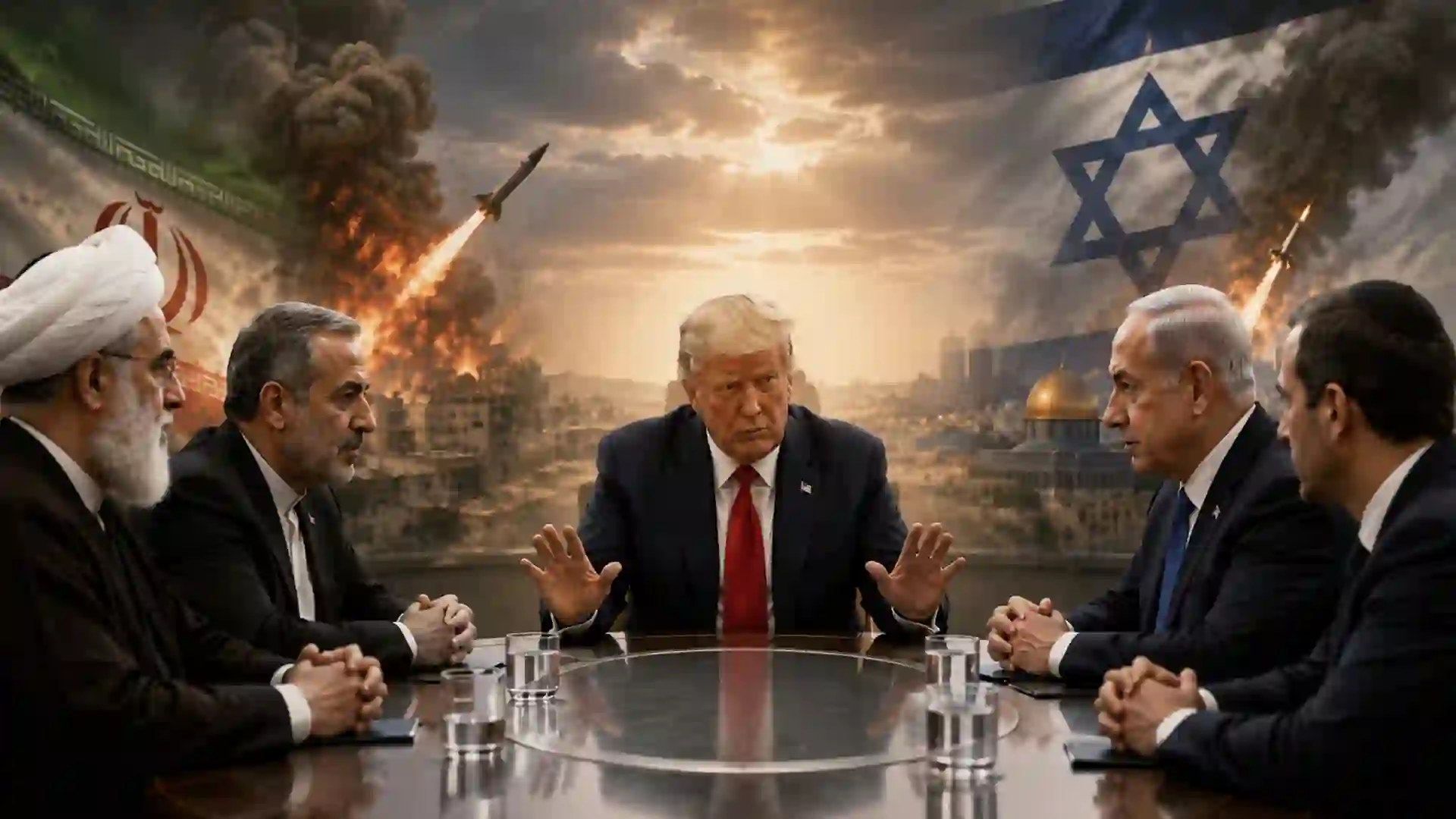
The Middle East Conflict has escalated further, and this time, the biggest battle is being fought over oil, diplomacy, and the global economy. Since the geopolitical tensions have involved world military strikes, the war has begun. Another major development is taking place. According to reports, Saudi Arabia is urging Donald Trump to step back from a direct war with Iran. Notably, the country is one of America’s closest allies of America which is appealing to US President Donald Trump to avoid any further escalation.
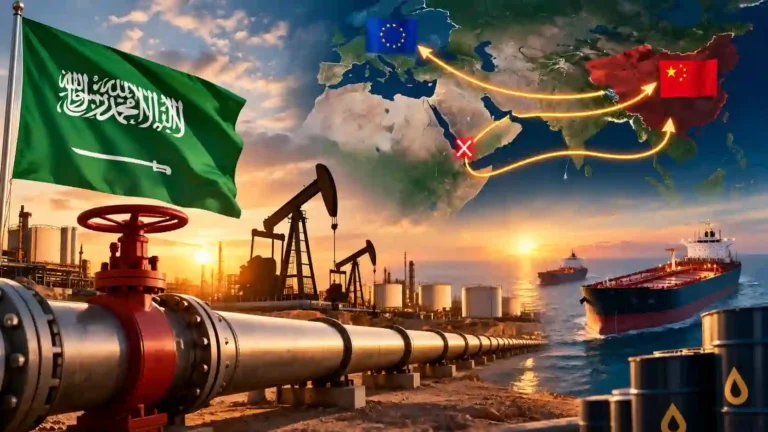
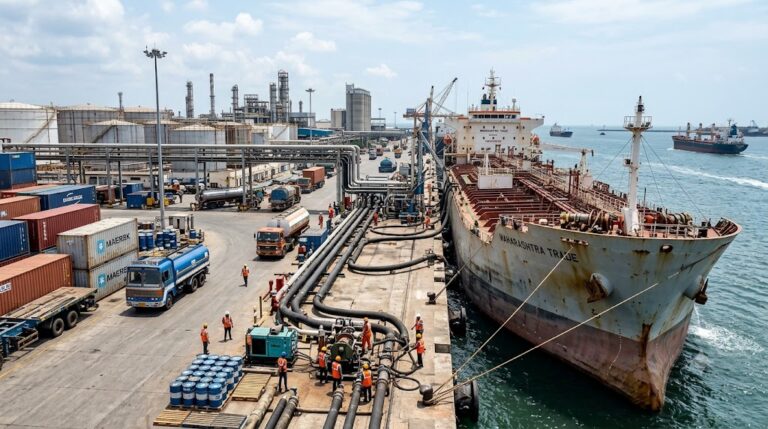
The major reason behind this appeal is none other than oil, as crude oil prices & oil prices have witnessed a significant impact since the war began
According to Saudi Arabia, a wider conflict or geopolitical tensions could disrupt the Strait of Hormuz, which is the narrow waterway through which around 20% of the world’s oil supply passes. Any disruption there could send global crude oil prices rising, triggering inflation and economic uncertainty worldwide.
How Markets Are Reacting Amid Middle East Conflict
The markets are already reacting. Brent crude is trading nearly $84 per barrel, Whereas WTI crude is hovering around $80 per barrel, as investors closely monitor every development in the Middle East. Even the possibility of supply disruptions is enough to keep oil prices under pressure.
Diplomacy Hasn’t Been Taken Off The Table Yet
Meanwhile, diplomacy isn’t completely off the table. US President Donald Trump has been trying to initiate peace talks with Iran, whereas Tehran insists any negotiations will rely on previous understandings and past commitments. However, a trivial uncertainty looms over the Middle East conflict
Ripple Effects In India: Rise In Windfall Gain Tax
At the same time, the ripple effects of this Middle East Conflict are reaching India as the Centre has recently increased the windfall gains tax on petrol exports from ₹2.5 per litre to ₹3.5 per litre. It stated that the move is aimed at safeguarding domestic fuel supplies as the US-Iran War continues to create uncertainty in global energy markets. Moreover, experts suggest that if this geopolitical crisis intensifies and oil prices continue to climb, how much more expensive could fuel, transport, and everyday essentials become? Will common people pay the price for everything? This uncertainty will unfold further in the latest developments related to the US–Iran War.