
US-Iran War: Trump Claims, Oil Rises, and Dollar Strengthens
The escalating US-Iran war is raising concerns beyond the battlefield, with global energy markets and economies watching the situation closely. For India, the biggest risks could come through crude oil prices, the Indian rupee and inflation.
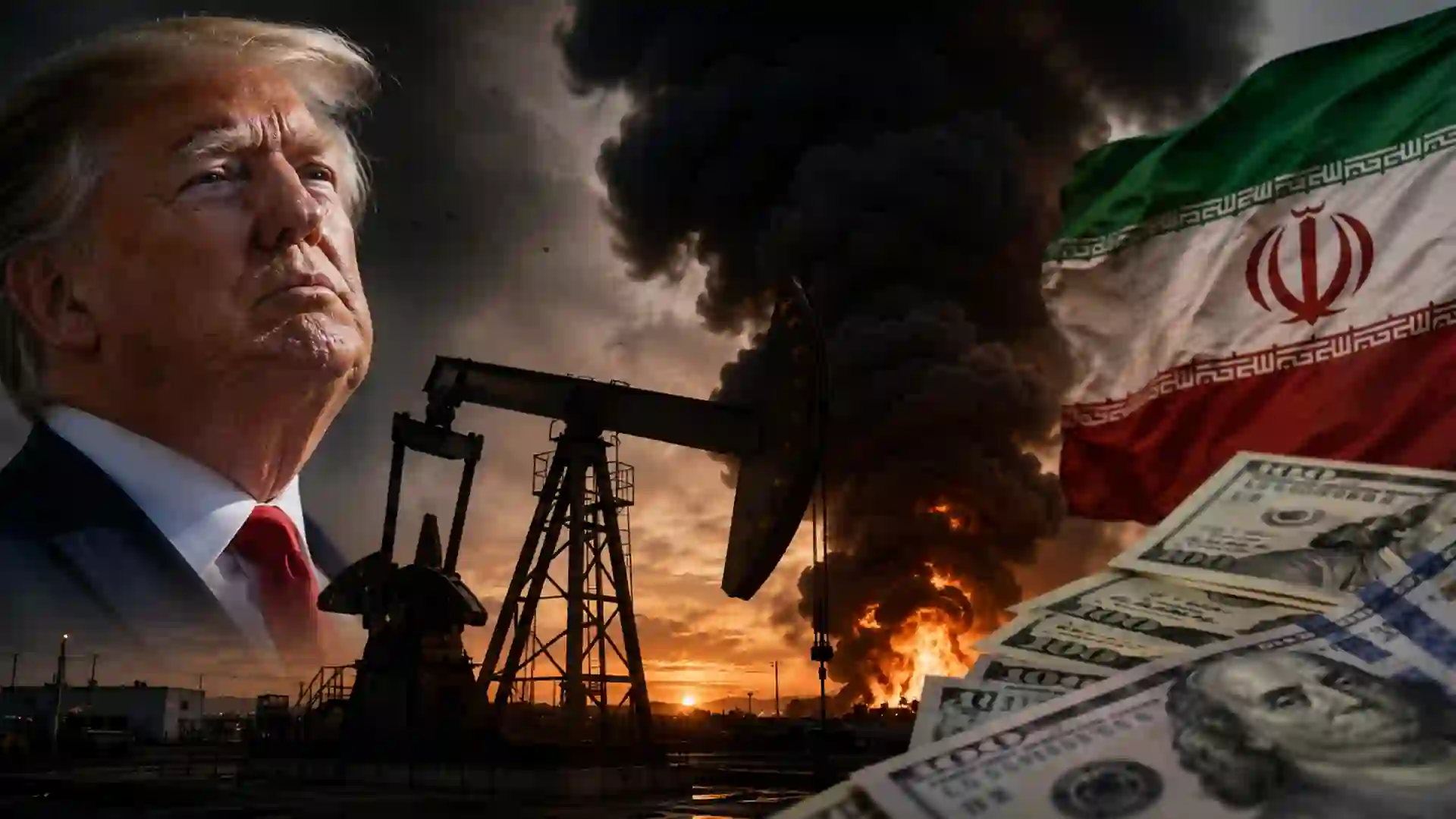
As per the latest updates, Iran has rejected US President Donald Trump’s claim that the US has complete control over the Strait of Hormuz, insisting that the strategically significant waterway will remain closed. The development has intensified concerns over global oil supplies due to the Strait of Hormuz is a critical route for international energy shipments.
Why Oil Prices Matter for India amid US-Iran War
The longer the disruption continues, the greater the possibility of tighter global oil supplies and elevated crude prices. Currently, Brent crude is nearly at $88.52 per barrel, whereas WTI Crude is near $82.66.
This matters significantly for India as the country imports a large share of its crude oil requirements. When international oil prices increase, India has to spend more dollars on energy imports. This can increase the country’s overall import bill and put additional pressure on the Indian rupee. The rupee is already trading nearly ₹95.36 against the US dollar. A prolonged geopolitical crisis could add further volatility to the currency.
Could the US Dollar Become Stronger?
Overall, another concern is the movement of global investors towards the US dollar as a safe-haven asset during the difficult periods of geopolitical uncertainty. Investors often prefer relatively safer assets, which can boost the dollar. Now, for India, a stronger dollar can make imported goods, particularly crude oil, more expensive in rupee terms. This could further rise costs for businesses and consumers.
How Could Indian Consumers Be Affected?
The US-Iran War Impact on India may reach ordinary households too. Higher crude prices can increase transportation and logistics costs. Since fuel is closely connected to the movement of goods, increasing energy costs can also rise production and distribution expenses in several sectors. This can generate inflationary pressure, potentially making everyday goods and services more expensive and putting pressure on household spending as well.
What India Will Be Watching?
For now, the country will be closely monitoring three key indicators: oil prices, the US dollar and the Indian rupee. If US-Iran war tensions continue for an extended period, the consequences could go beyond energy markets. Higher oil prices, currency volatility and inflation could create fresh economic challenges for India. The major question is no longer just how the conflict develops militarily, but how long its economic impact lasts.