
Philippines Safeguard Probe on Imported Rice Implications for India’s Exports
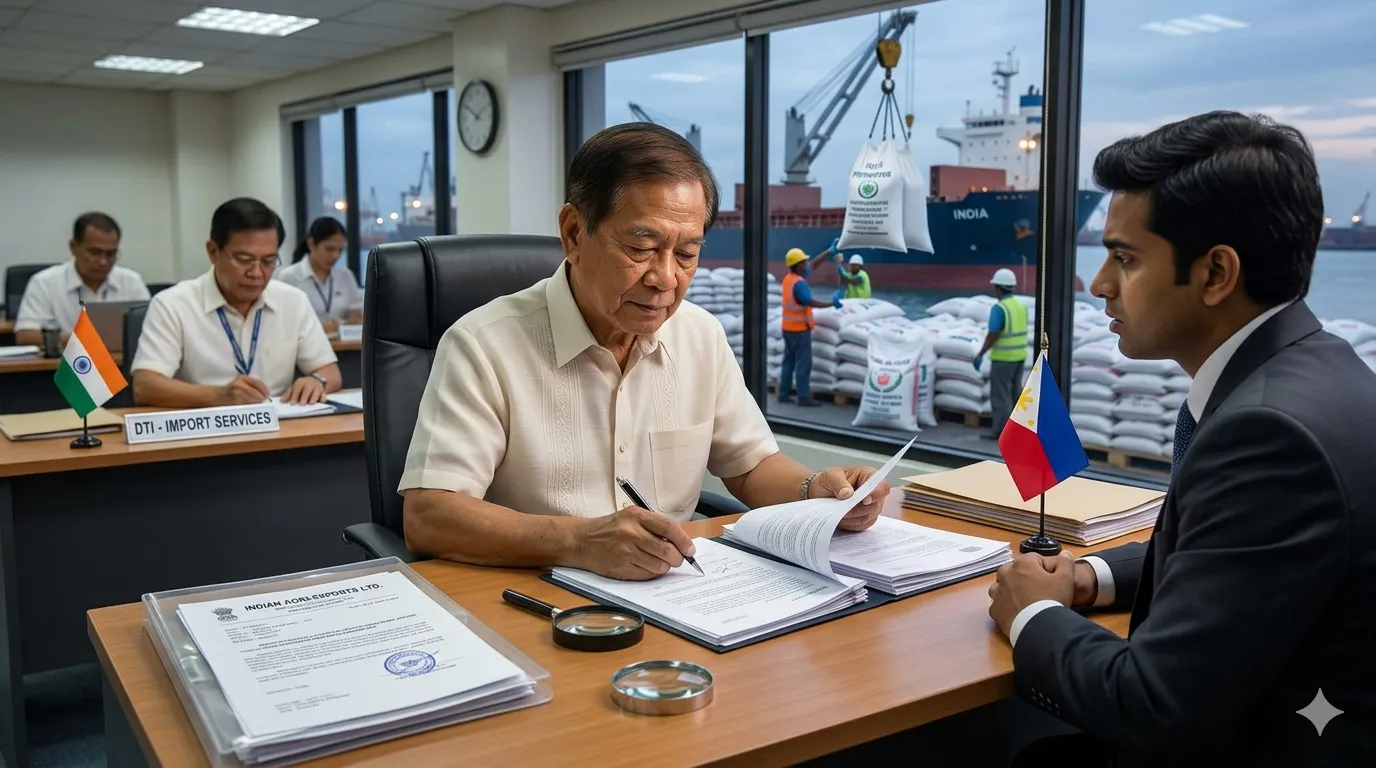
The Philippine Department of Agriculture has initiated a Philippines safeguard probe on imported rice, covering paddy, brown, semi-milled, and broken rice. The investigation will review imports from 2020 to August 2025 after local producers petitioned that surging imports are harming domestic farmers. If the probe finds serious injury, the government could impose extra tariffs or quantitative restrictions for up to eight years.
Impact on Vietnam and the Global Rice Market
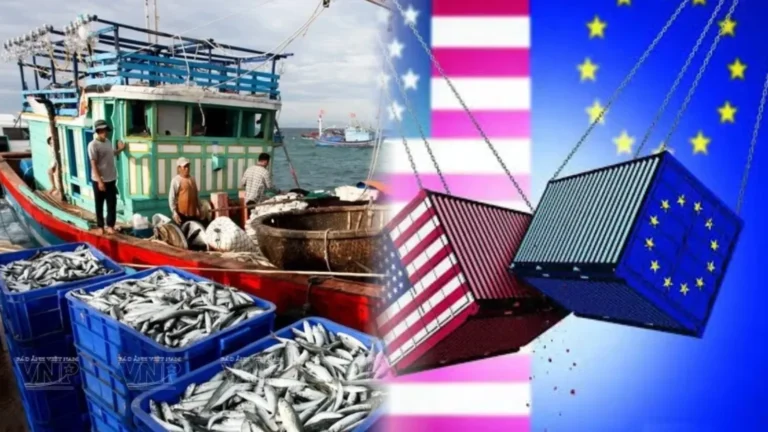
This Philippines safeguard probe poses a major challenge for Vietnam, which relies heavily on the Philippines as a rice export market. In the first two months of 2026, 87% of Vietnam’s rice exports went to the Philippines. A potential restriction could disrupt the supply chain, forcing exporters to seek alternative markets.
From a global rice trade perspective, this probe serves as a warning for all exporting countries. Many nations are increasingly using safeguard measures to protect domestic farmers, signaling rising protectionism in international rice markets.
Opportunities and Challenges for India
For India, the probe creates an indirect opportunity. While India’s rice exports to the Philippines are smaller than Vietnam’s, any market share vacated by Vietnam could be captured by India, Thailand, or Pakistan. By leveraging quality, sustainability, and timely shipments, India can strengthen its position in the Philippines.
However, this development also emphasizes the need for market diversification. Relying on one or two importing countries can be risky, as trade rules and safeguard measures can change rapidly. Indian exporters must be proactive in exploring bilateral agreements, value-added rice products, and new markets to reduce dependence on a single country.
The Need for Strategic Export Planning
The Philippines safeguard probe highlights that global trade is dynamic. Today’s major importing country could impose restrictions tomorrow, affecting exporters worldwide. For India, the key is to focus on quality certification, compliance with international standards, and efficient supply chains to secure long-term access to premium markets.
By staying alert to trade regulations and market trends, Indian exporters can convert potential challenges into opportunities. Expanding into multiple markets, upgrading milling and processing capabilities, and maintaining high standards will ensure India continues to be a competitive rice exporter globally.
Conclusion: India Must Adapt to Safeguard Measures
The Philippines safeguard probe is both a cautionary signal and an indirect opportunity for India. While it may restrict Vietnam’s exports, India can strategically expand its presence in the Philippines and other markets. By focusing on quality, sustainability, and market diversification, India can navigate rising protectionism and maintain its leadership in global rice trade.