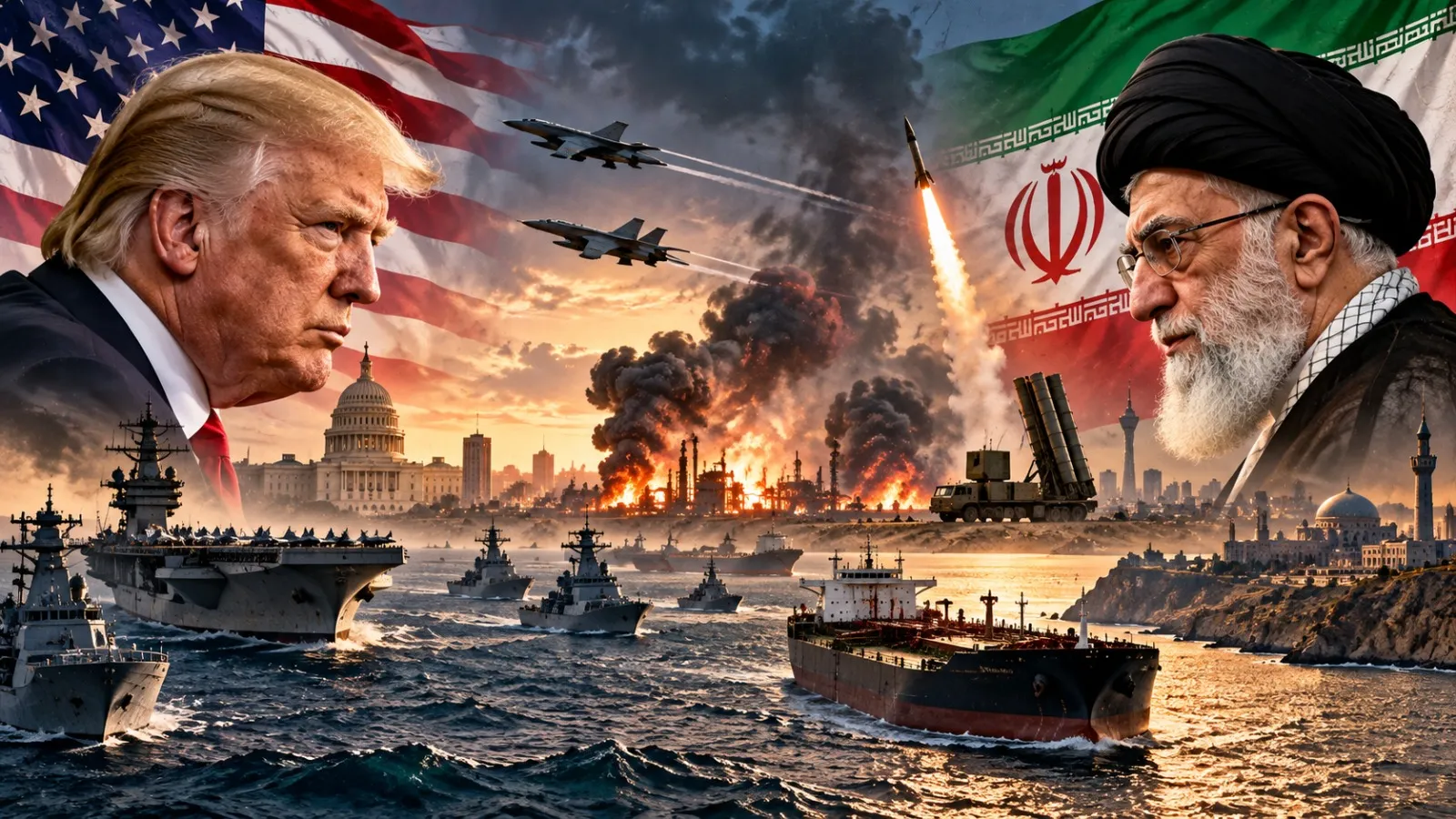
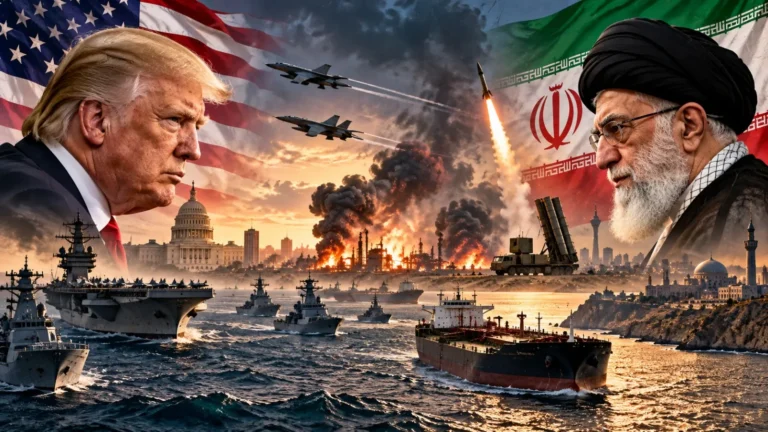
After months of fighting, the US-Iran war has entered a new phase: diplomacy. U.S. and Iranian negotiators are holding discussions in New York. As the mediators helping explore a possible phased path toward ending the Middle East conflict. One proposal reportedly involves Iran reopening the Strait of Hormuz whereas Washington eases its economic blockade.
But talks do not mean that peace is close. The two sides remain divided over sanctions, security guarantees, military capabilities and the conditions required for ending hostilities.
Iran Wants Sanctions Relief and Guarantees amid US-Iran war Tensions
For Tehran, economic pressure is a central issue. Iran has requested a relaxation of U.S restrictions as part of any settlement, along with also seeking assurances about what would happen after an agreement is reached. The dispute reflects a wider problem: trust between Washington and Tehran remains limited. Moreover, Iran wants concrete action from the United States, while Washington is seeking commitments from Iran before providing major economic relief. Therefore, the two sides are negotiating not only an end to the fighting, but also the terms of a broader security and economic arrangement.
The Strait of Hormuz Is a Major Pressure Point
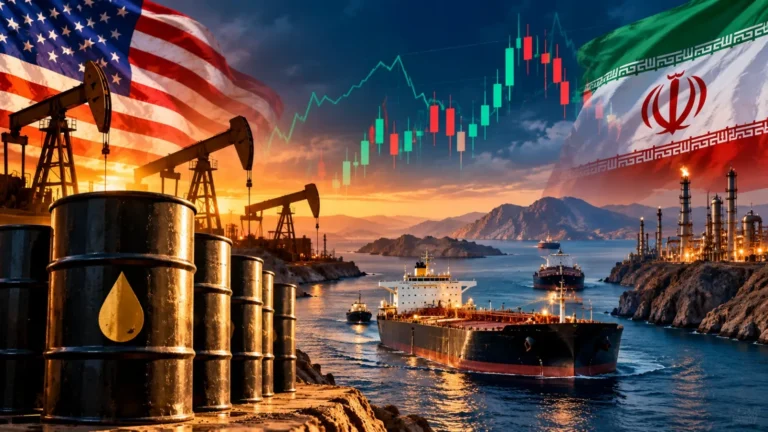
The Strait of Hormuz has become one of the most important issues in the negotiations due to its role in global energy markets. Iran has indicated that the waterway could reopen if the United States reduces military pressure and lifts its blockade. In addition, this Middle East Conflict has impacted oil markets, with Brent crude and WTI crude prices responding to developments over the conflict and the Strait of Hormuz. Now, that makes the West Asia Crisis important beyond the region, particularly for energy markets, shipping and global inflation.
US Midterm Elections Add Another Layer
The US Midterm elections are scheduled for November 3, 2026, and they determine control of seats in Congress. U.S. President Donald Trump has linked the timing of a possible Iran agreement to the election, saying that he expected a deal could come after the vote. However, the election calendar is now part of the wider diplomatic context surrounding the US-Iran war.
Can the US-Iran War Actually End?
Currently, the talks represent a diplomatic opening, but there are many major questions remain unresolved. What restrictions would apply to Iran’s military capabilities? What sanctions would be lifted? What guarantees would each side receive? And what mechanism would exist if either government accused the other of violating an agreement? The Middle East tensions surrounding the conflict add further complexity, with regional actors and energy markets closely watching developments. A ceasefire would reduce fighting, but a lasting settlement would require agreement on the deeper political, military and economic disputes. For now, the US-Iran war has moved from battlefield confrontation toward difficult diplomacy. Whether the current discussions can produce a durable agreement remains uncertain.