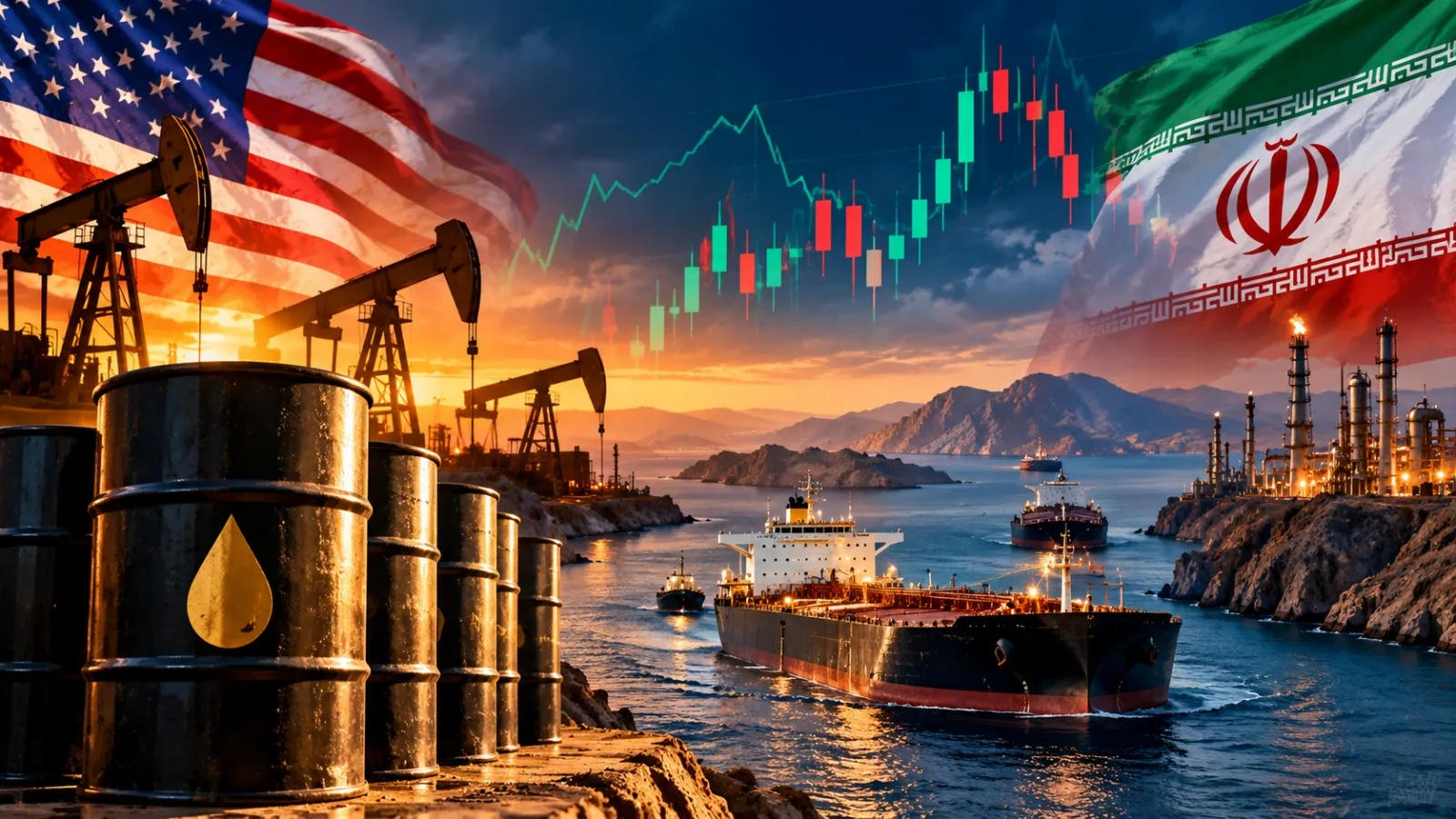
Since War has begun, Oil prices has remained under pressure due to disrupt energy shipments, but renewed diplomatic contacts have offered a potential path toward easing the crisis. The United States and Iran resumed communication through mediators on the sidelines of the United Nations General Assembly in New York. However, Iranian officials said the two sides remain far apart on how to end the conflict.
Oil prices heavily impacted amid the war tensions
The major issue for energy markets is the Strait of Hormuz, a critical shipping route through which about one-fifth of global oil and gas shipments passed before the conflict. Disruptions there have reduced the movement of commodity vessels and increased concerns about global supply. For consumers, the impact is closely tied to crude oil prices. Higher energy costs can raise transportation, fuel and business expenses, eventually affecting household budgets.
Moreover, recent developments have provided some supply relief. Saudi Arabia restarted its East-West oil pipeline, allowing crude to bypass the Strait of Hormuz and reach the Red Sea port of Yanbu.
However, oil prices remain highly sensitive to developments in the Middle East conflict. On September 24, Brent crude rose more than 2% to around $105.51 a barrel, whereas WTI crude increased to about $93.90, as markets reacted to limited progress in US-Iran diplomacy.Therefore, the Brent crude and WTI crude markets remain focused on whether negotiations can produce a lasting agreement. The Iranian Foreign Minister and other officials have continued diplomatic engagement, while US President Donald Trump has indicated interest in discussions involving China and the wider conflict.
For now, the crisis is not over. A reopening of the Strait of Hormuz and improved regional shipping could ease supply concerns, while further escalation could push oil prices higher. The direction of crude oil prices will ultimately depend on whether diplomacy produces concrete changes on the ground.