
US-Iran War: Oil Prices Reach $120 Amid Hormuz Crisis
US-Iran War: Oil Prices Reach $120 Amid Hormuz Crisis
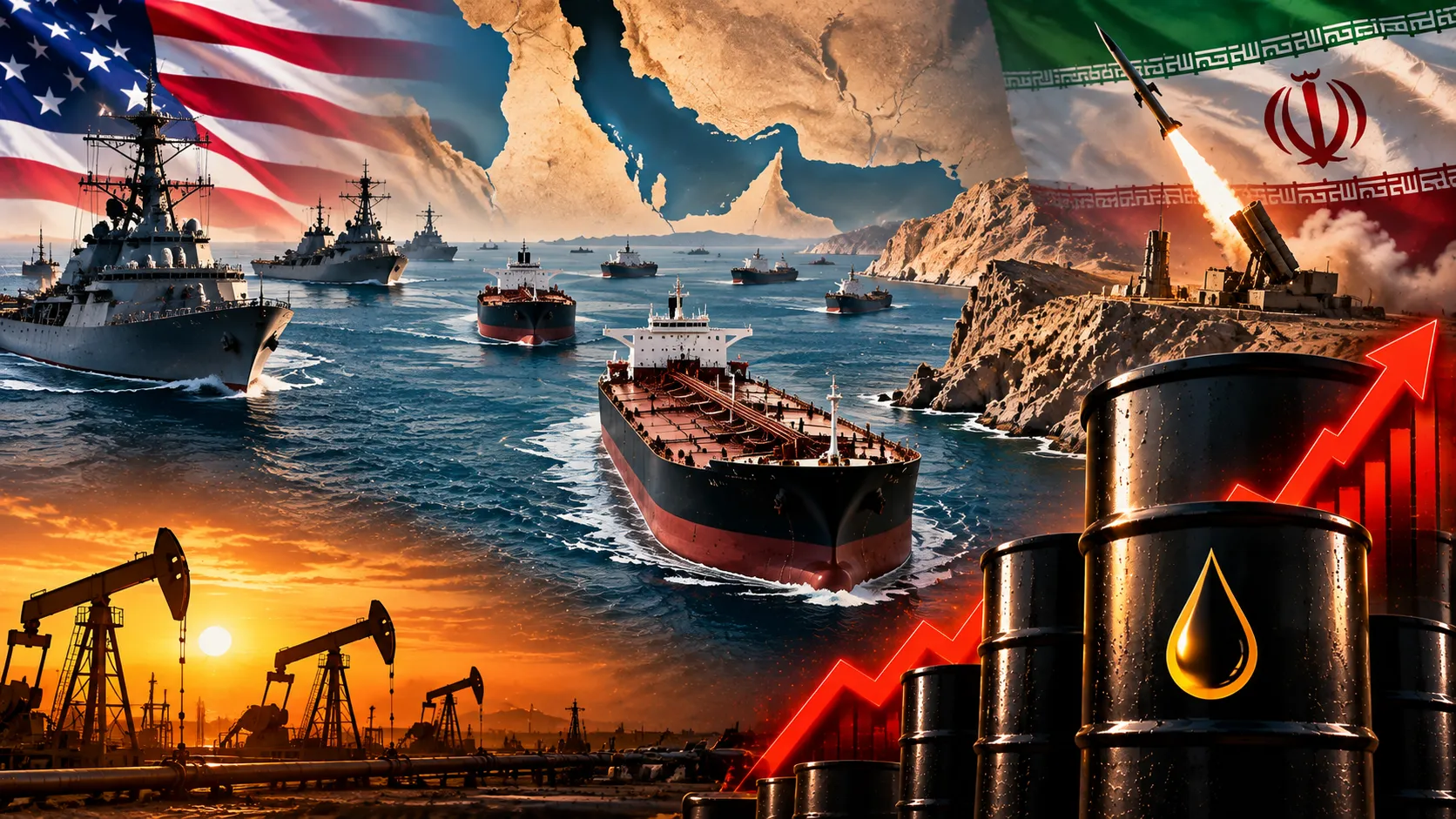
The US-Iran War is raising fresh concerns about the global economy, with oil emerging as one of the biggest pressure points. As tensions escalate between Washington and Tehran, markets are closely watching developments around the Strait of Hormuz, one of the world’s most important routes for global energy shipments.
Moreover, reports of attacks involving Iranian oil tankers, US military assets and bases in the region have increased fears of a wider Middle East Conflict. While military escalation remains a major concern, any serious disruption to shipping through the Strait of Hormuz could have an immediate impact on the global oil market.
Why Is the Strait of Hormuz So Important Amid US-Iran War?
The Strait of Hormuz is a narrow but strategically crucial waterway through which a significant volume of the world’s oil and gas supplies passes. If attacks or security threats prevent vessels from moving safely, global energy supplies could tighten. A reduction in supply can quickly push Crude oil prices higher. Markets are already watching Brent crude and WTI Crude closely as investors assess the potential impact of rising geopolitical tensions.
Brent crude crosses the $100-a-barrel level and remains elevated; concerns could grow over a possible move towards $120. Such a surge would have consequences far beyond the energy sector.
Why Should India Be Concerned?
Significantly, India imports a large portion of the crude oil it consumes, making the country particularly sensitive to international energy prices. A sustained rise in crude could rise India’s oil import bill and put pressure on the Indian rupee.
Besides side, higher fuel and transportation costs could also increase expenses for businesses and consumers. From logistics and manufacturing to food distribution and everyday goods, expensive energy can create broader inflationary pressure.
Not only this, the situation is also being shaped by economic measures. The United States has increased pressure on Tehran through additional sanctions, including measures affecting Iran’s aviation sector. This combination of military pressure and economic sanctions has added another layer of uncertainty to energy markets.
Could Oil Reach $120?
The answer depends on how the conflict develops and whether the Strait of Hormuz remains open to regular commercial shipping. A temporary disruption could create a sharp price spike, while a prolonged supply shock could keep prices elevated for much longer.
For India and other major oil-importing economies, the West Asia Crisis is therefore more than a geopolitical story. It could influence fuel prices, inflation, currencies, trade and household budgets worldwide.