
US-Iran War: Strait Of Hormuz Crisis Raises $100 Oil Fears
US-Iran War: Strait Of Hormuz Crisis Raises $100 Oil Fears
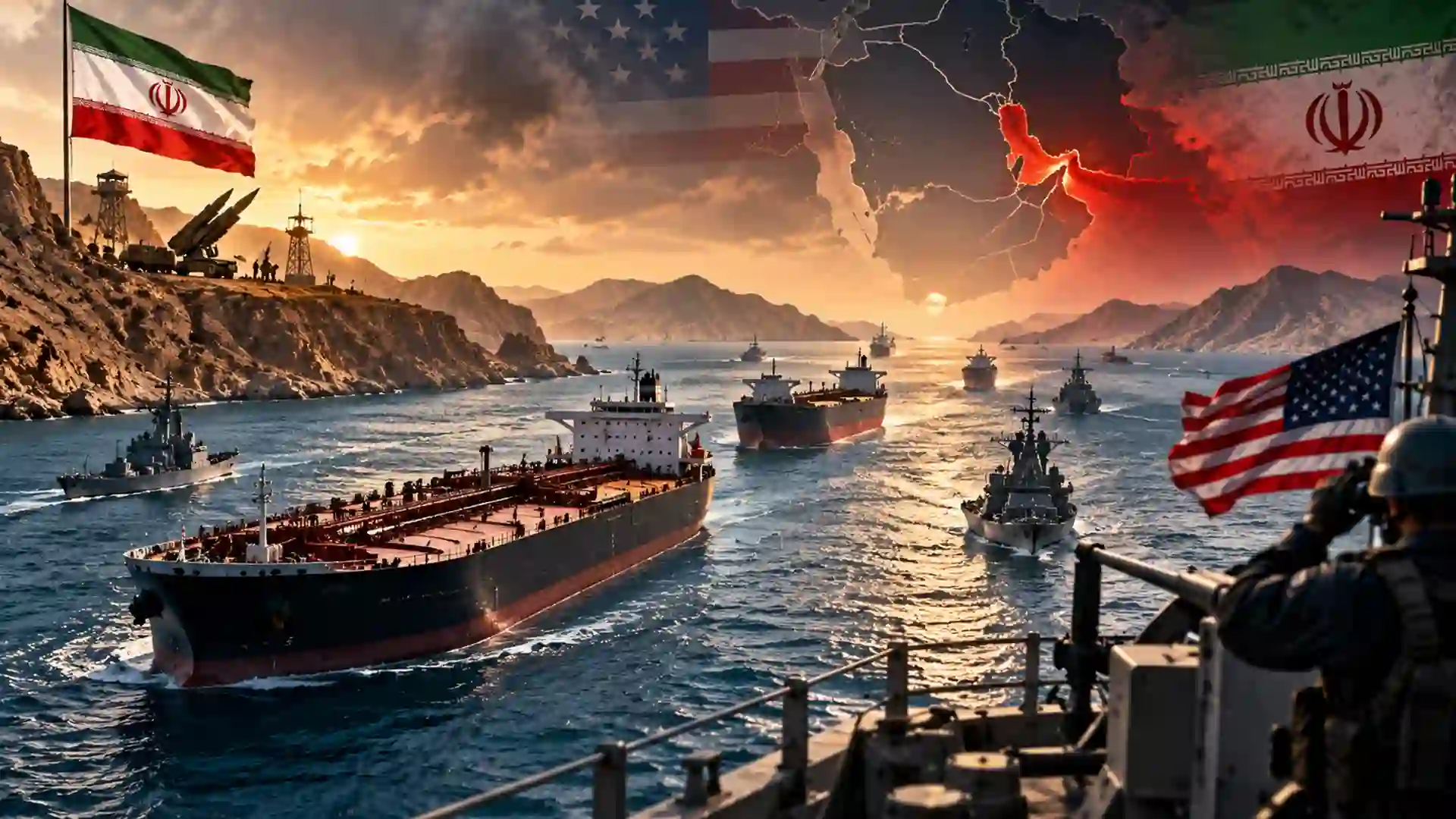
The US-Iran war is creating fresh uncertainty across global energy markets, with escalating tensions around the Strait of Hormuz which raised concerns about oil supplies, energy security and inflation. Notably, Crude oil prices are already moving higher, with WTI crude trading around $93.09 and Brent crude near $97.71.
The Middle East conflict has become a major concern for commodity markets since the Strait of Hormuz is one of the world’s most important energy routes. Any prolonged disruption to traffic through the waterway could impact the movement of crude oil and liquefied natural gas, putting additional pressure on global supplies.
Moreover, Qatar has warned that continued disruption could result in an industrial catastrophe. The sharp decline in traffic through the Strait of Hormuz has therefore increased concerns among energy traders and governments that further escalation could trigger a broader supply shock.
What Is Iran Planning Amid US-Iran War?
Significantly, Iran is also raising the stakes. Tehran says it plans to establish a new “exclusion zone” in the Gulf and has threatened the United States with new missiles. Iran has announced an advanced missile and warned that American energy interests in the Gulf could become potential targets if further attacks occur. For markets, investors are closely watching WTI crude, Brent crude and broader crude oil prices. A prolonged disruption to energy shipments could push international oil benchmarks closer to the psychologically important $100-a-barrel level. Higher oil prices could then increase transportation, manufacturing and energy costs, adding pressure to inflation across major economies.
Additionally, the geopolitical tensions have brought renewed attention to US President Donald Trump. His controversial map showing a dramatically expanded United States, appearing to include Canada, Mexico, Greenland, Cuba and other territories, has triggered fresh questions about Washington’s broader geopolitical ambitions.
However, for the global economy, the biggest immediate concern remains energy security. If the Strait of Hormuz remains under pressure and oil or LNG shipments face further disruption, the impact could extend well beyond the Middle East. The major question for markets now is whether the ongoing tensions will push oil above $100 per barrel. If that happens, consumers could eventually face higher fuel, transportation and other everyday costs, while businesses may have to deal with rising operating expenses.