
Rise in Onion Prices: Will Government Action Bring Relief?
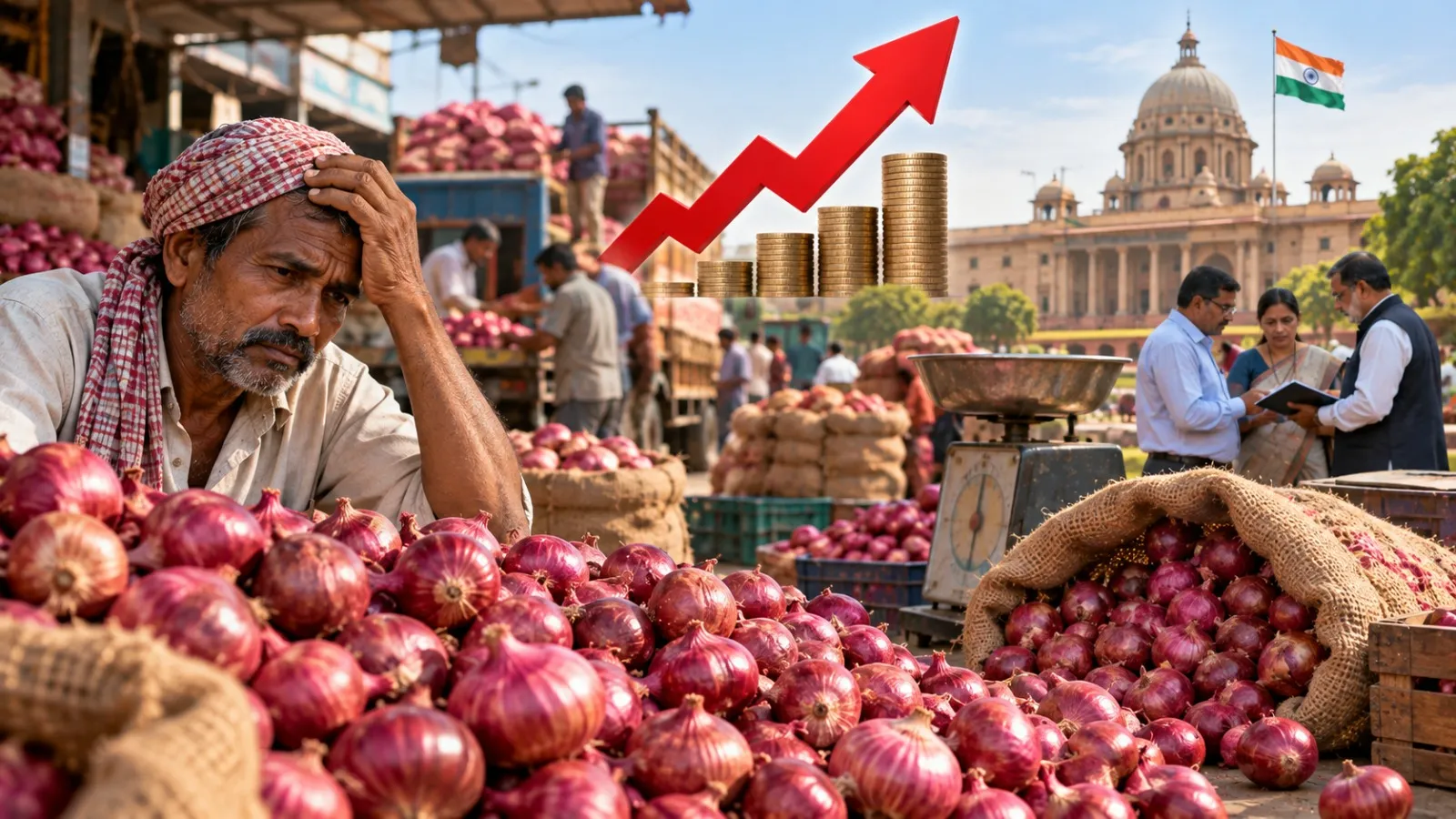
Rise in Onion Prices: Will Government Action Bring Relief?
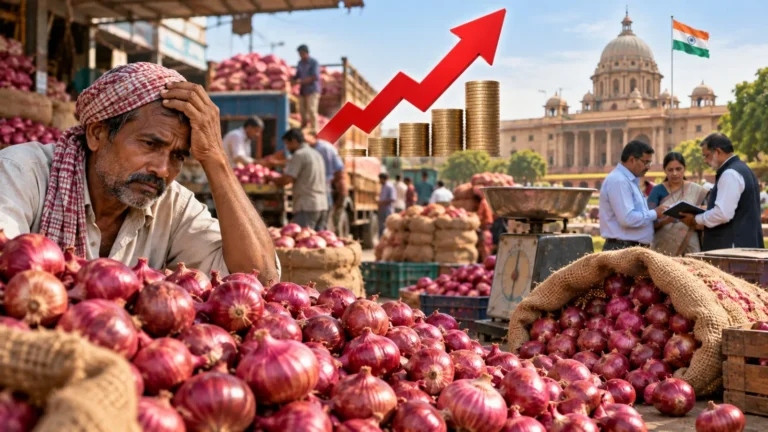
The government has stepped up its efforts to control onion prices as retail rates remain under pressure in several parts of India. Over the past 10 days, around 4,000 tonnes of buffer onions have been sold across 17 cities at a subsidised price of ₹35 per kg.
Government Releases Buffer Stock To Cool Onion Prices
The Centre has created an onion buffer stock of nearly 1.21 lakh tonnes for 2026. This stock is now being released in markets where onion prices are relatively high.
To move supplies quickly, the government is using trucks along with a special train service called Kanda Express. Large consignments have already reached cities including Delhi and Chennai along with another rake is being prepared for Guwahati.
The government says the intervention has helped bring down onion rates by around ₹2–₹3 per kg in some markets. However, the overall picture remains mixed.
The all-India average retail price stood at around ₹50.79 per kg on September 5, up from ₹48.50 per kg on August 28. This raises a significant question: is the government’s intervention actually providing enough relief to consumers?
Why Are Onion Prices Rising?
One of the major reasons is pressure on onion production. Untimely rains affected the rabi onion crop this year, creating concerns about availability and supply.
India’s major onion-producing states play a vital role in determining the country’s overall supply. Weather disruptions in these regions can quickly affect wholesale and retail markets. Meanwhile, onion demand remains strong because onions are an essential part of everyday cooking. When supplies tighten, prices can rise quickly.
For Onion farmers, higher prices can potentially improve earnings, but unpredictable weather, input costs and market fluctuations continue to create challenges.
What Could Happen Next?
The next few weeks could be important for consumers and traders. Fresh arrivals of the new kharif crop are expected to increase from around mid-October. Higher arrivals could improve supply and ease market pressure.
Meanwhile, the government’s buffer stock operation will continue to act as a temporary supply support. If more onions reach high-price markets, retail rates could see further moderation.
But many factors will determine the final outcome, including crop arrivals, transportation, storage, market demand and weather conditions. For consumers, the issue is simple: government stocks may provide short-term relief, but a sustained fall in prices will ultimately depend on stronger market supplies. The upcoming weeks will therefore show whether buffer onions and fresh kharif arrivals can bring lasting relief to household budgets.