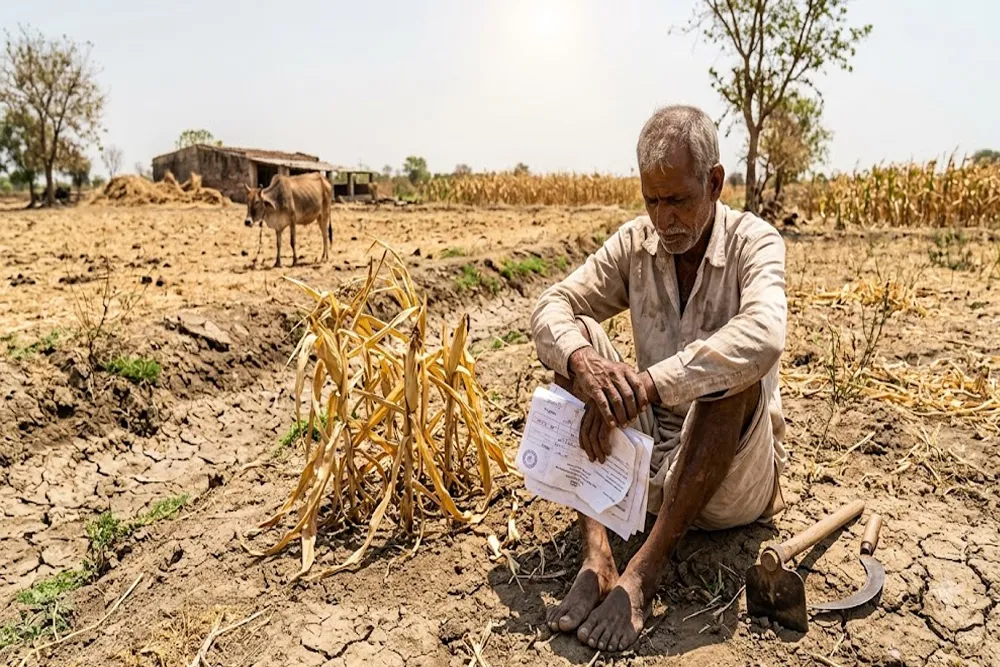
The possibility of El Nino conditions has raised concerns related to India’s farm economy, since changing climate trends may impact agricultural activity and rural borrowing patterns. The potential El Nino impact could affect crop cycles, farmers’ incomes, and demand for agricultural loans, particularly in regions dependent on monsoon rainfall.
Broadly speaking, a changing El Nino weather pattern may result in uneven rainfall distribution, delayed sowing, and production challenges for farmers. Such climate uncertainties can create financial pressure on the farming community and affect the requirement for farm credit to support crop cultivation, irrigation, and agricultural investments.
Despite weather-related risks, according to experts, credit growth to remain healthy as rural demand continues to expand. Banks and financial institutions are likely to maintain lending support through agricultural finance programmes aimed at boosting farmers’ resilience and enhancing access to capital. The impact of climate variability underscores the significance of boosting India’s agriculture through better irrigation facilities, crop diversification, modern farming techniques, and enhanced risk management systems. These measures can help farmers reduce dependency on rainfall and manage uncertainties linked to climate change. The upcoming monsoon impact will remain a major factor in determining agricultural performance and credit demand. Whereas an adverse weather scenario may create short-term challenges, continued policy support and institutional lending are expected to maintain the balance of the rural economy. Not only this, but the financial institutions are also monitoring weather developments closely to evaluate potential risks and ensure adequate availability of loans for farmers. With effective planning and timely interventions, the agriculture sector can sustain stability despite changing weather conditions and evolving climate challenges.



1 thought on “El Nino Impact May Challenge Agricultural Loans, But Credit Growth Stable”
Comments are closed.