

Crude Exports Drop 41% as Saudi Red Sea Shipments Decline Amid Middle East War
Crude Exports Drop 41% as Saudi Red Sea Shipments Decline Amid Middle East War
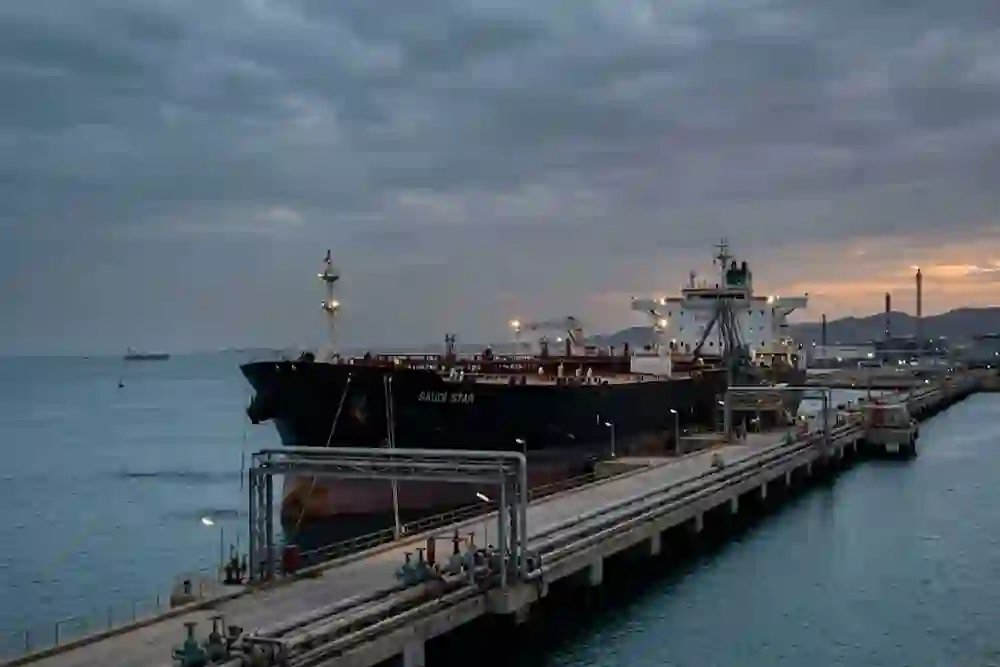
Saudi Arabia’s crude exports through the Red Sea have fallen sharply. This highlights the growing risks facing global energy markets as geopolitical tensions intensify. According to Wood Mackenzie vessel tracking data, exports from the Yanbu terminal decreased by 41% between March and June, dropping from nearly 4.07 million barrels per day to approximately 2.39 million barrels per day. The decrease emerges as security concerns in the Red Sea and Bab el-Mandeb Strait continue to disrupt shipping routes.
Moreover, the Kingdom had redirected most of its crude oil shipments through the East-West pipeline to Yanbu after disruptions in the Strait of Hormuz. But analysts warn that this alternative route has become vulnerable as the Middle East war expands and threats to commercial tankers grow. The latest attacks near the Bab el-Mandeb chokepoint have exposed another critical bottleneck for global energy trade.
Particularly, the reduction in exports has raised concerns about global crude supply, with traders closely monitoring potential disruptions that could limit the market further. In addition, supply uncertainties have already supported higher crude oil prices, with investors factoring in increased geopolitical risks and shipping delays in major export routes.
According to Energy analysts, if disruptions continue, global oil markets could experience prolonged volatility. While Saudi Arabia has invested in alternative export infrastructure, ongoing regional conflicts highlight how quickly strategic shipping corridors can become vulnerable, affecting supply chains, freight costs, and energy prices worldwide.