
Why Tea Exports, Basmati Rice Exports Hit as Strait of Hormuz Crisis Disrupts Trade?
Why Tea Exports, Basmati Rice Exports Hit as Strait of Hormuz Crisis Disrupts Trade?
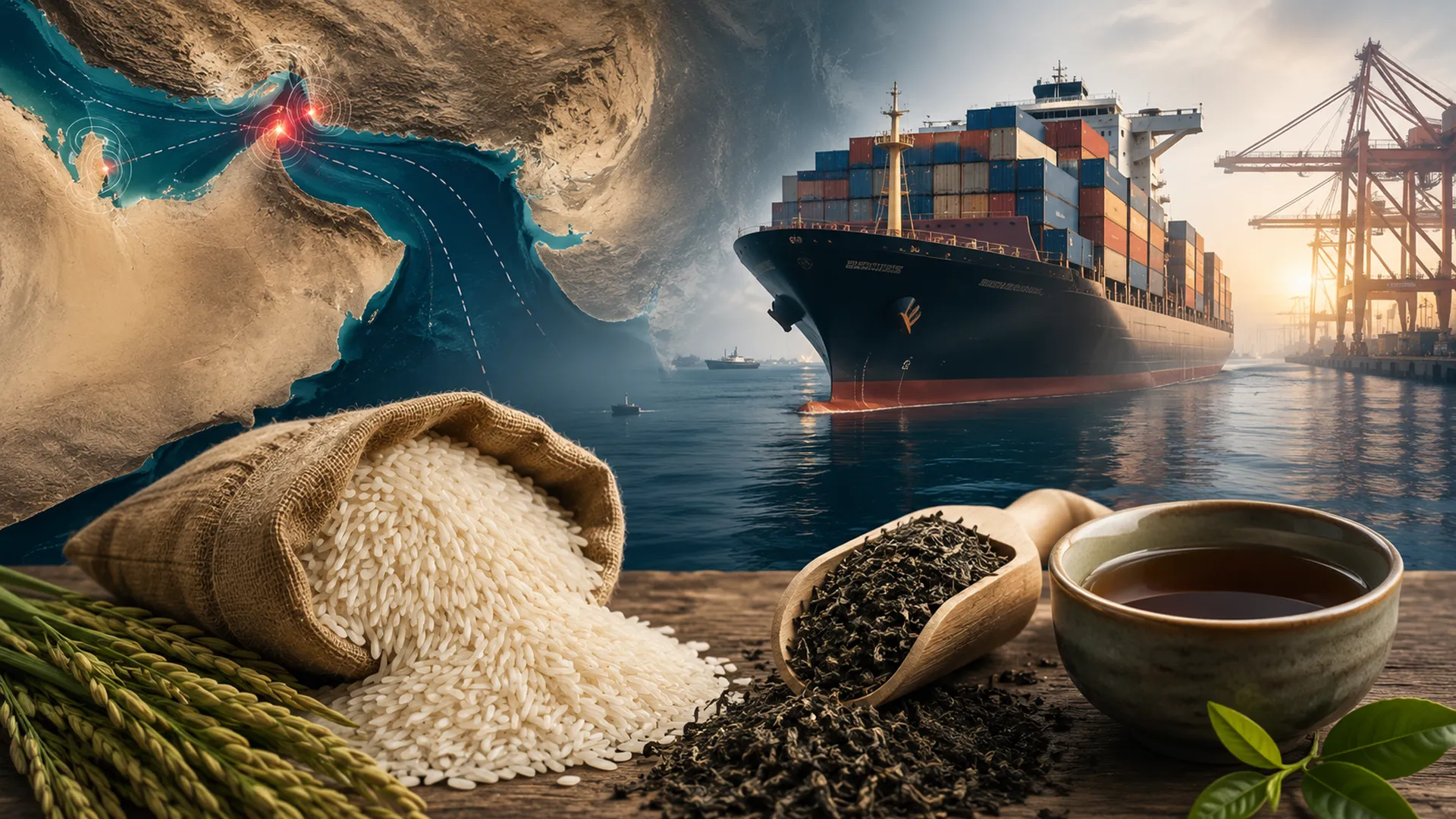
According to reports, India’s tea exports and basmati rice exports are facing fresh challenges as escalating tensions in the Strait of Hormuz continue to disrupt commercial shipping transit. The strategic waterway, which handles a significant share of global oil and cargo movement, has experienced heightened uncertainty amid the US-Iran war and the broader West Asia conflict.
According to Exporters, shipments to Gulf countries have slowed down due to higher freight charges, longer transit times, and growing concerns over insurance premiums and payment delays. Particularly, the disruption has affected tea and basmati rice consignments, which are destined for significant markets in the Middle East, creating uncertainty for traders and exporters.
In addition, the shipping disruptions have increased concerns regarding tea prices and basmati rice prices, as delays in exports can strain supply chains and add to logistics costs. As per Industry experts, if the situation persists, exporters may face reduced profit margins and delayed order fulfilment, which can impact India’s agricultural trade.
Significantly, the Strait of Hormuz remains one of the world’s most critical maritime trade routes, and any prolonged disruption due to geopolitical tensions could have broader implications for global commodity markets, shipping costs, and food exports. Even Businesses are closely monitoring developments, hoping for stability that would allow trade flows to return to normal. As the US-Iran war and regional tensions continue to influence international trade, India’s exporters are preparing for more long-term challenges, along with exploring alternative solutions and risk management strategies to protect export volumes.