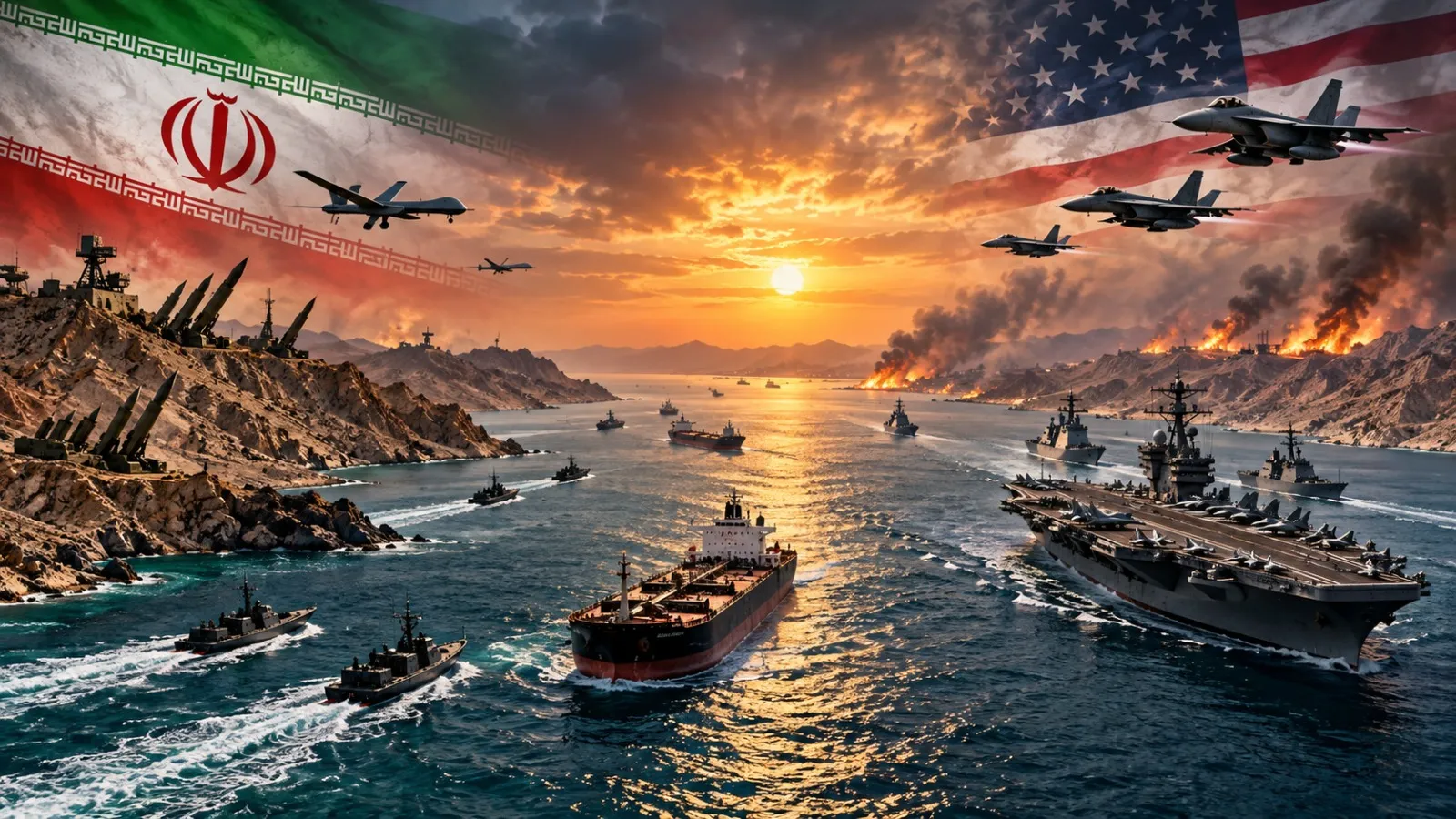
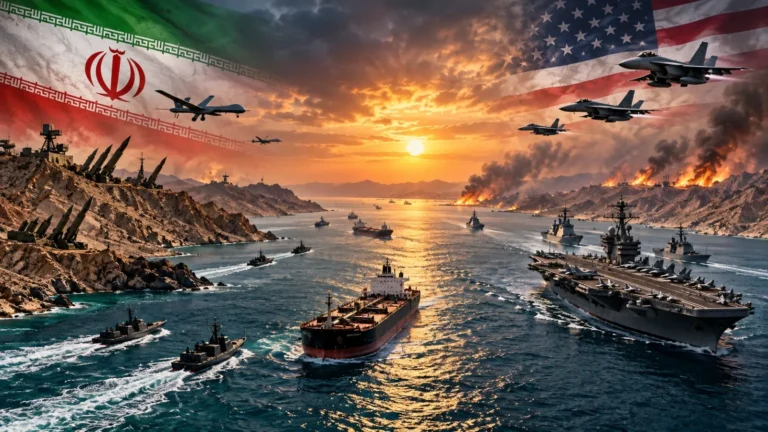
The US-Iran War has entered another dangerous phase as Tehran has proposed a seven-day roadmap aimed at reducing fighting, easing economic pressure and reopening the Strait of Hormuz. Iranian Foreign Minister Abbas Araghchi said the proposal could begin once the United States agrees to the framework.
Reportedly, under Iran’s 7-day proposal, the process would begin with a halt to fighting across different fronts, including Lebanon. Not only this, but Iran is also seeking the lifting of the US naval blockade around its ports, some relief from oil sanctions and the release of frozen Iranian assets. After these steps, Tehran says the Strait of Hormuz could reopen within seven days, followed by negotiations on Iran’s nuclear programme.
Why does the Strait of Hormuz matter amid US-Iran war?
The Strait of Hormuz is a crucial route for global energy shipments, connecting the Persian Gulf with the wider ocean. Any prolonged disruption could affect shipping, energy supplies and global oil markets.
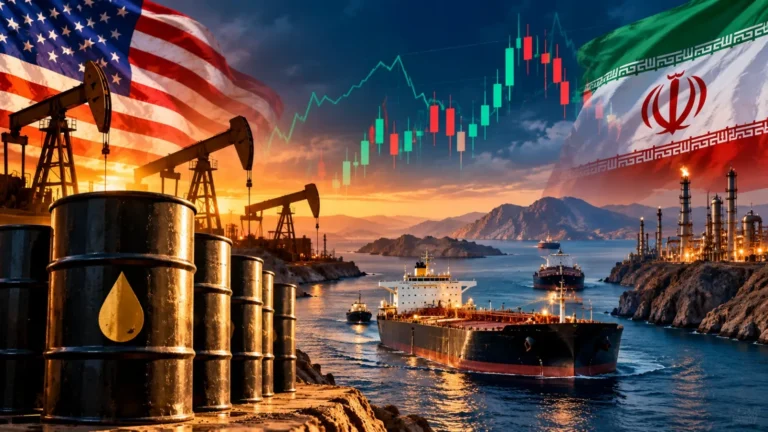
Oil prices have remained highly sensitive to developments in the conflict. Brent crude and WTI crude can respond quickly to changing expectations around supply disruptions, shipping risks and diplomatic progress. Eventually, higher energy costs can affect transportation, businesses and consumers worldwide.
United States Has Not Accepted the Proposal
The United States has not accepted Iran’s seven-day roadmap. Reportedly, diplomatic contacts have taken place through intermediaries, including Qatar, but there is no final agreement.
The two sides also differ over the sequence and scope of negotiations. Iran wants fighting and economic pressure addressed first, whereas Washington wants Iran’s nuclear programme to remain a central part of the discussions.
In addition, trust remains another major obstacle. Tehran is seeking assurances that military action and economic pressure would not resume after it makes concessions.
War Brings Economic and Military Costs
The US-Iran War has also created significant military and financial costs for Washington. A Pentagon inspector general report cited in the discussion estimates about $22 billion was spent on munitions between February 28 and June 30. The total war costs during that period estimated at around $33 billion. Therefore, the conflict is no longer only a military issue. It is connected to energy prices, international shipping and the wider global economy.
For the Middle East Conflict and broader West Asia Tensions, the proposed roadmap could become an important diplomatic development. However, whether it can lead to a lasting agreement remains uncertain. The outcome could have implications for the Strait of Hormuz, global oil markets and energy prices. Therefore, developments involving US President Donald Trump and Tehran will remain closely watched as negotiations continue.