
Russia Extends Diesel and Gasoline Export Ban Until January 2027: What It Means for Global Fuel Markets?
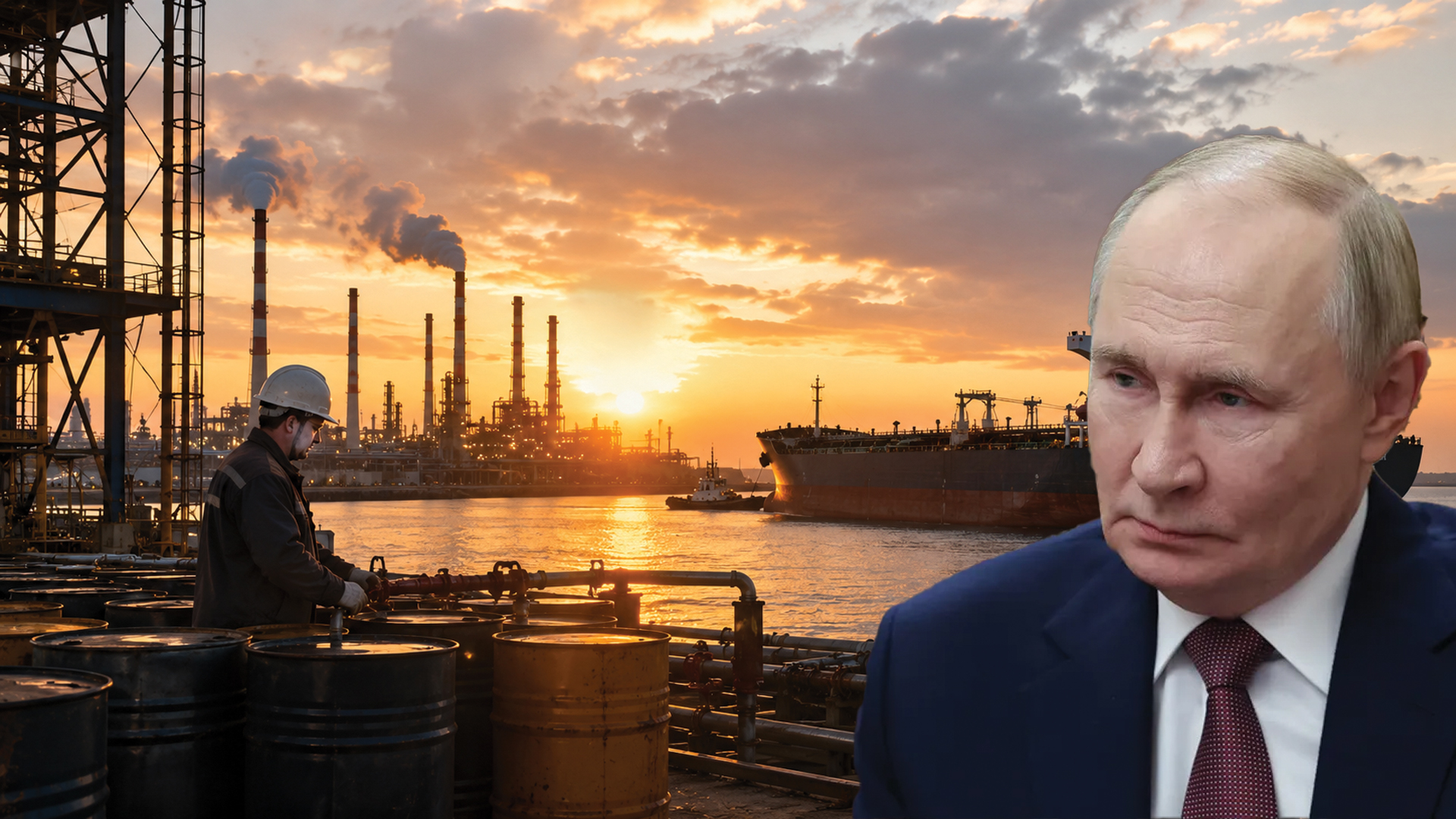
Russia Extends Diesel and Gasoline Export Ban Until January 2027: What It Means for Global Fuel Markets?
Russia has extended its Fuel Export Ban on diesel and gasoline exports until January 31, 2027, as the country focuses on stabilising domestic fuel supplies amid refinery disruptions, shortages, and rising prices. The move has raised concerns across global energy markets, with potential impacts on fuel availability, transportation costs, and inflation.
As one of the world’s largest petroleum product exporters, Russia’s Fuel Export Ban could significantly influence international diesel markets, freight costs, agricultural operations, and global trade. Energy analysts and commodity markets are closely monitoring how the restrictions may affect fuel prices and supply chains worldwide.
Why Did Russia Extend Its Export Restrictions?
The Russian government imposed export restrictions this year after attacks on oil refineries caused local fuel shortages. The decision to extend the ban was made to ensure the supply of diesel and gasoline to the domestic market, including the agricultural sector and transport companies.
In addition, to ensure the fulfilment of contracts, Russia has pledged to provide preferential supplies of fuel to farmers and the Russian government. This measure is designed to prevent fuel prices from spiking in the fall during the harvest season.
What Products Are Subject to Export Restrictoins?
Diesel fuel, gasoline, fuel oils, and marine fuel are subject to export restrictions. Exceptions are fuel produced by direct suppliers, fuel deliveries under government agreements, and humanitarian aid.
Why Is This Decision Significant?
Russia is one of the world’s largest exporters of diesel fuel. Consequently, any changes to its export policy have a significant impact on the international fuel market. Delays in fuel supplies from Russia to other countries cause prices to rise.
This is because diesel fuel is critical to transportation, freight, mining, farming, and manufacturing. A reduction in Russia’s diesel fuel exports increases the cost of transporting goods worldwide and narrows freight companies’ margins.
How Will Fuel Prices Be Affected?
The international diesel fuel market is expected to remain tight following Russia’s decision to impose export restrictions.
Diesel fuel prices surged to record levels after Russia imposed export restrictions for the first time. Demand from buyers in other countries continued to put pressure on prices as Russia’s refineries remained closed. As a result, profit margins for diesel fuel traders remained at the highest level due to supply constraints, despite fluctuations in oil prices.
Consequently, if global demand remains strong, prices are expected to remain high throughout 2026.
How Will Rising Fuel Prices Affect the Global Economy?
High diesel fuel prices will affect the global economy in several ways. First, rising fuel costs will increase the cost of transporting goods. For exporters of agricultural products, food, metals, and industrial goods, expensive fuel will narrow profit margins. In addition, increased freight costs will be passed on to consumers, which will contribute to inflation.
The impact of high fuel prices will be felt most acutely in countries that are dependent on fuel imports. Higher freight costs will affect the supply of raw materials and finished goods between countries, increasing the cost of doing business overall.
How Will This Decision Affect Farming?
Agriculture is one of the heaviest consumers of diesel fuel. Tractors, harvesters, pumps, and other agricultural machinery are heavily dependent on diesel fuel. As a result, increases in diesel fuel prices are likely to affect the profitability of farms in all countries.
In addition, agricultural commodity prices may also be affected by higher freight costs, especially during the harvest season.
What Will Happen to Energy Markets?
Russia’s export restrictions are set to remain in place through January 31, 2027. However, Russia has reserved the right to lift some restrictions if local fuel supplies become available. In addition, the situation in the Russian refining sector and the strength of demand in the domestic market will also be important factors in determining the future of export restrictions.
Energy market analysts will be watching Russia’s production and export capabilities closely in the coming months. If Russia’s production and refining capacities are restored, some of the pressure on the international fuel market will be taken away.
Conclusion
Russia’s decision to impose export restrictions on diesel and gasoline has once again demonstrated the vulnerability of the global fuel market to supply disruptions. The Russian government’s primary goal is to ensure domestic fuel supplies. However, Russia’s export restrictions are likely to keep international diesel fuel prices high and affect freight costs.
As a result, energy market participants, commodity traders, transport companies, and consumers may experience price volatility in the months ahead.