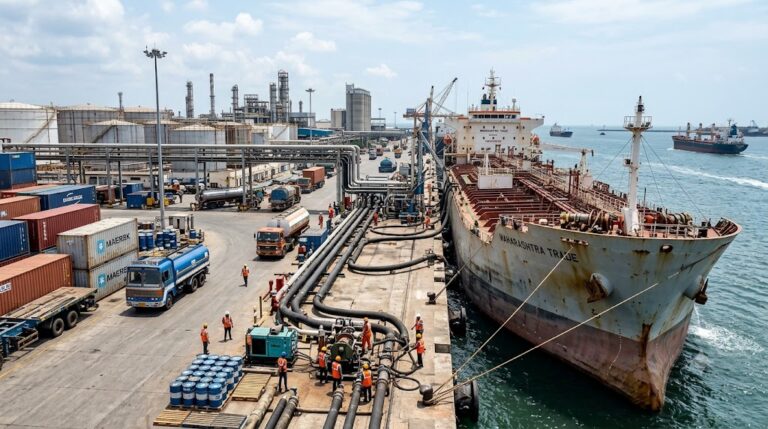
US-Iran War: How Strait of Hormuz Crisis Could Impact Oil Prices and India’s Economy?
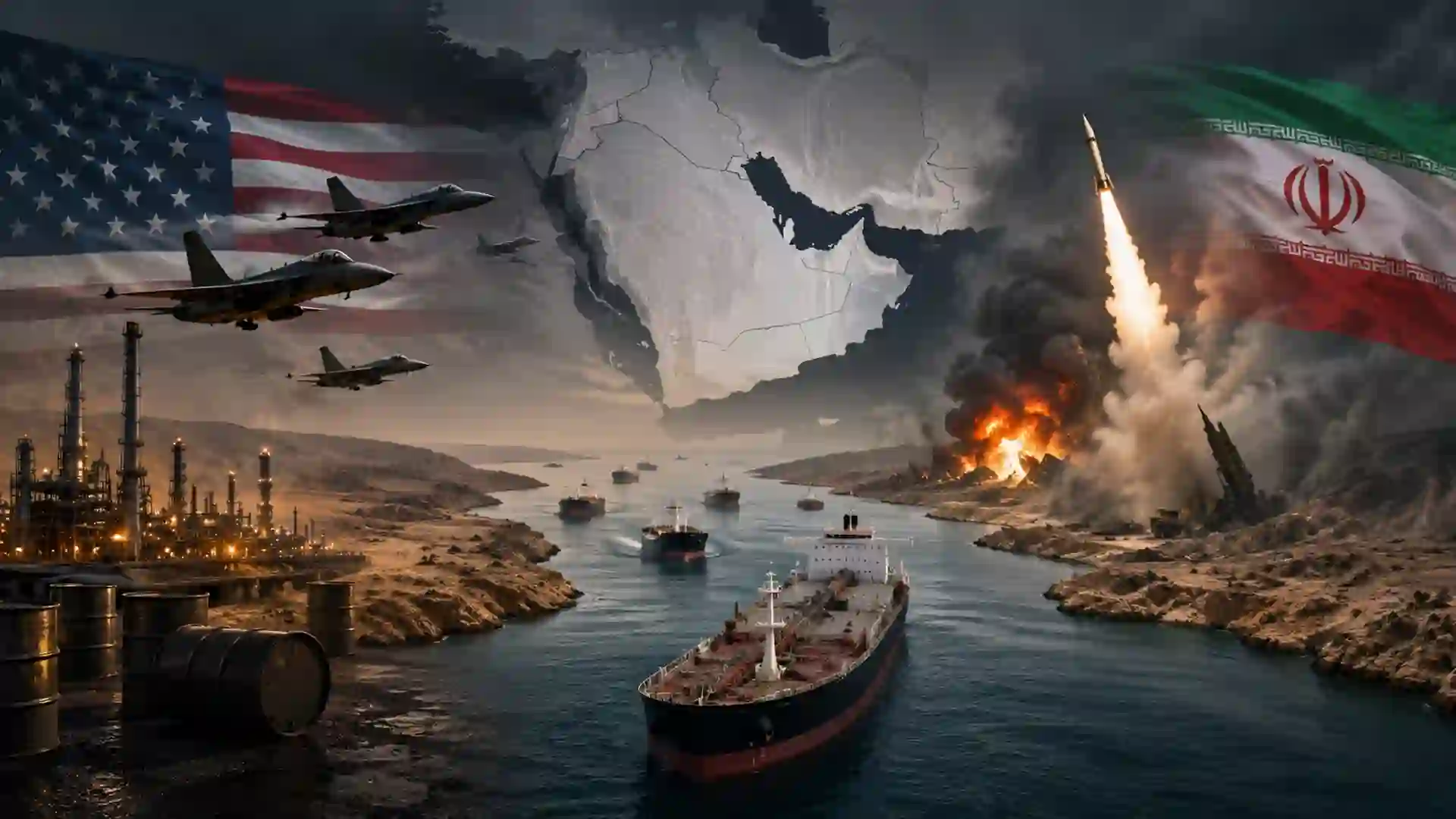
The escalating US-Iran War has raised fresh concerns regarding global energy markets as tensions near the Strait of Hormuz threaten one of the world’s most significant oil shipping routes. Fears of supply disruptions have pushed crude oil prices higher and created uncertainty for economies dependent on imported energy, with reports of commercial tanker attacks and increased military activity.
Why Does the Strait of Hormuz Matter for Global Oil Supply?
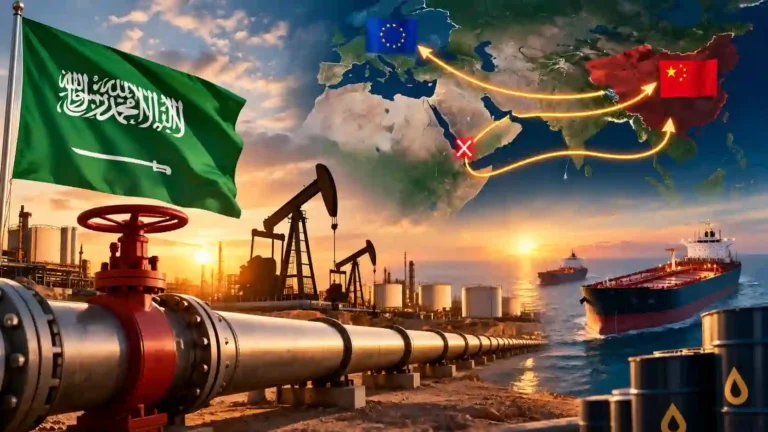
Undoubtedly, the Strait of Hormuz is a critical maritime route connecting the Persian Gulf with global markets. Around 20% of the world’s oil supply passes through this narrow waterway, which makes it one of the most strategically important energy routes. Notably, any disruption in shipping activity can immediately impact global crude prices, fuel costs, transportation expenses, and inflation levels. Even temporary uncertainty can prompt traders to react quickly, pushing energy markets higher.
What about Crude Oil Prices Amid Middle East Tensions?
Significantly, the latest geopolitical tensions have already impacted crude oil prices as WTI crude oil prices have moved toward nearly $84.65 per barrel, whereas Brent crude has approached nearly $87.96 per barrel. Generally, oil markets often respond sharply to geopolitical risks since investors consider the possibility of future supply shortages. If tensions continue to escalate, analysts expect further fluctuations in global energy prices.
What’s the Impact of Rising Oil Prices on India?
As India is one of the world’s largest crude oil importers, it faces increased pressure from higher energy costs. Since crude oil is traded globally in US dollars, a stronger dollar makes imports more expensive. With the US dollar rising to nearly ₹95.39, India could witness a higher oil import bill, which may increase pressure on the trade deficit and simply contribute to inflation. Moreover, rising fuel prices can impact transportation, manufacturing, and logistics expenses, eventually increasing the cost of everyday goods.
Indian Exporters Face Shipping and Cost Challenges
The impact of the Middle East Conflict is not limited to fuel prices. In addition, Indian exporters are concerned about rising freight charges and marine insurance costs. Industries including engineering goods, chemicals, textiles, food products, and agricultural exports could face difficulties if shipping routes are disrupted or delivery schedules are delayed. According to Industry representatives, prolonged West Asia tensions could decrease export competitiveness and increase operational costs for businesses.
Will the West Asia Crisis Trigger a Global Economic Shock?
The future impact depends on whether diplomatic efforts can decrease tensions or whether the conflict expands further. A prolonged crisis could keep oil prices higher and increase pressure on inflation, currencies, and global trade. Above all, for India and other oil-importing nations, developments around the Strait of Hormuz will remain a major factor influencing economic stability.