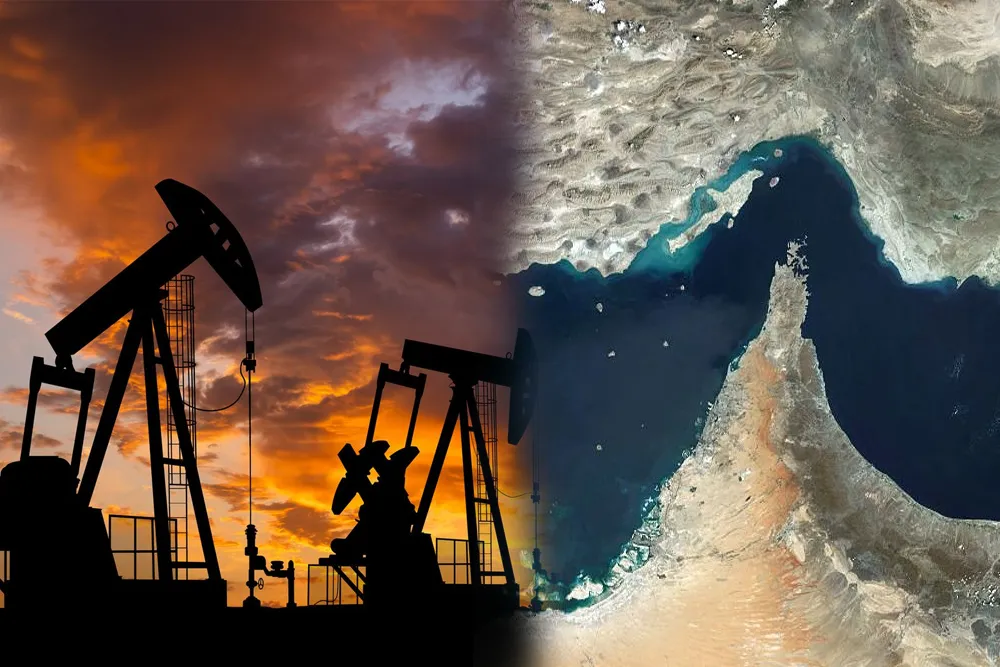
Global energy markets are undergoing a major transformation as Oil Exports from the United States surge by over 30%, driven by disruptions at the Strait of Hormuz. The strategic waterway, affected by escalating tensions linked to the ongoing Middle East conflict, has significantly restricted crude shipments from key producing nations.
The blockade of the Strait of Hormuz has disrupted traditional supply routes, pushing global buyers to seek alternatives. As a result, US oil exports have witnessed a sharp increase, strengthening America’s position among the biggest oil exporters in the world. Europe and Asia have emerged as major demand centres, redirecting purchases toward American crude.
The rise in oil exports from the US highlights a broader shift in global energy flows. With Middle Eastern supply constrained, the role of major exporters of oil is being reshaped, giving the United States greater influence in stabilising supply chains. This shift is also affecting oil exports in Asia, where import-dependent economies are adjusting procurement strategies to manage shortages and price volatility.
In oil exports in India, energy planners are closely monitoring global developments as dependency on imported crude remains high. The ripple effects of the disruption are also visible in oil exports in the world, where supply uncertainty has led to increased price fluctuations and market instability.
While the surge benefits U.S. producers, it has also contributed to higher global oil prices and sustained volatility in energy markets. Analysts warn that continued tensions around the Strait of Hormuz could further reshape global trade dynamics if the situation persists.