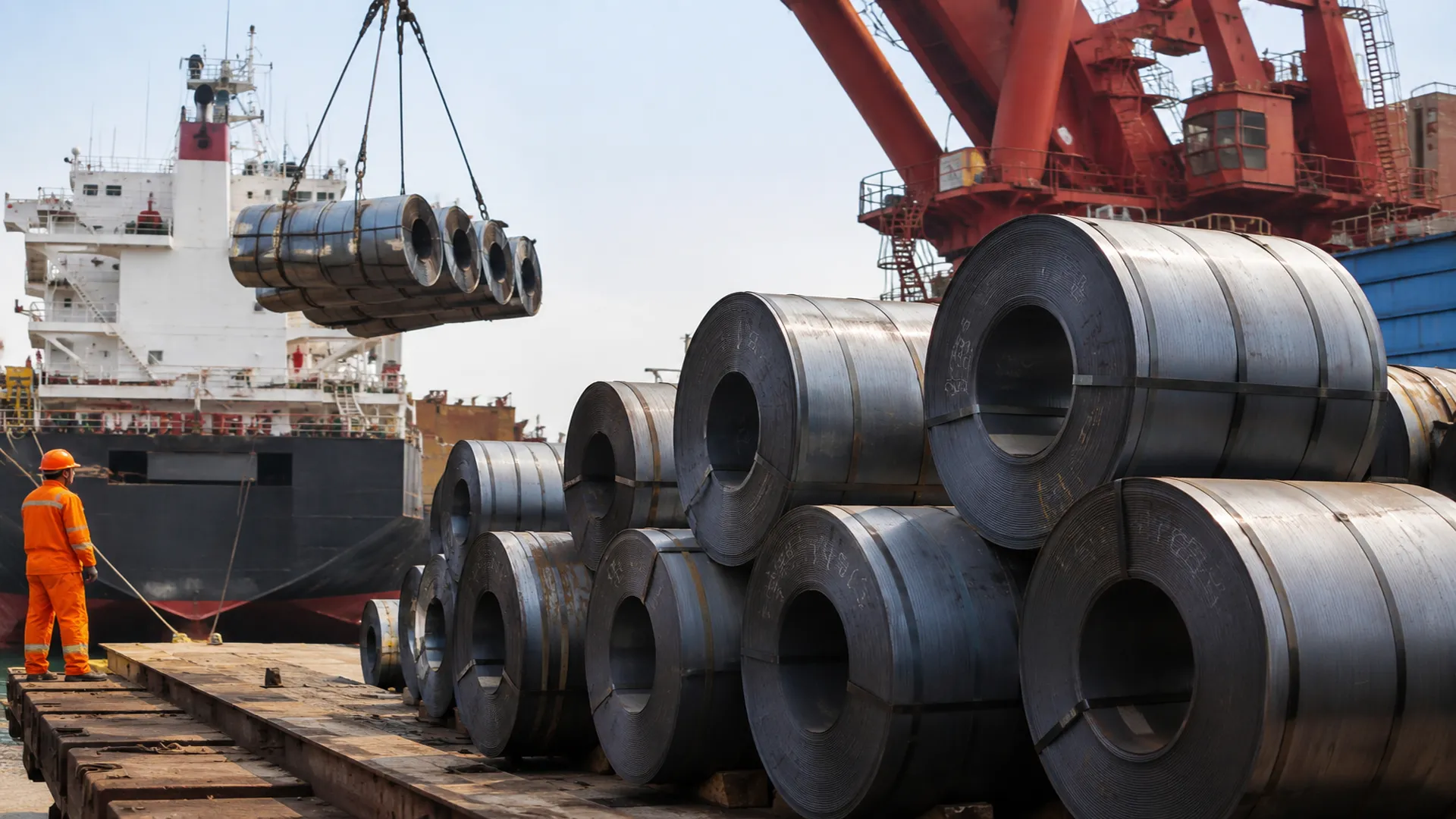
China’s metal exports are facing a rise as the ongoing Middle East conflict disrupts regional supply chains and pushes global demand toward alternative suppliers. Particularly, this shift is benefiting Chinese aluminium exports and copper shipments, which are increasingly essential for clean-energy technologies and battery manufacturing.
According to market analysts, increasing fossil fuel prices and geopolitical uncertainty have accelerated investments in renewable energy infrastructure worldwide. This trend has significantly increased demand for industrial metals such as aluminium and copper, both of which are critical components in electric vehicles, solar panels, batteries, and power transmission systems.
Industry reports suggest that China’s aluminium shipments could reach record highs this year as buyers look for stable and large-scale suppliers. At the same time, copper demand is also boosting due to its extensive use in renewable energy projects and advanced battery technologies.
The recent surge in metal exports outlines China’s expanding influence in global clean-energy supply chains. With many countries focusing on energy transition and reducing dependence on traditional fossil fuels, demand for processed metals is expected to remain strong in the coming months.
Experts believe the current market environment may further strengthen China’s position as a dominant exporter of clean-energy metals. However, ongoing geopolitical tensions and volatile commodity prices could continue to impact trade flows and supply dynamics in the international markets.
As global industries adapt to changing energy needs, the growth in Chinese metal shipments reflects the increasing importance of strategic resources in the modern economy.