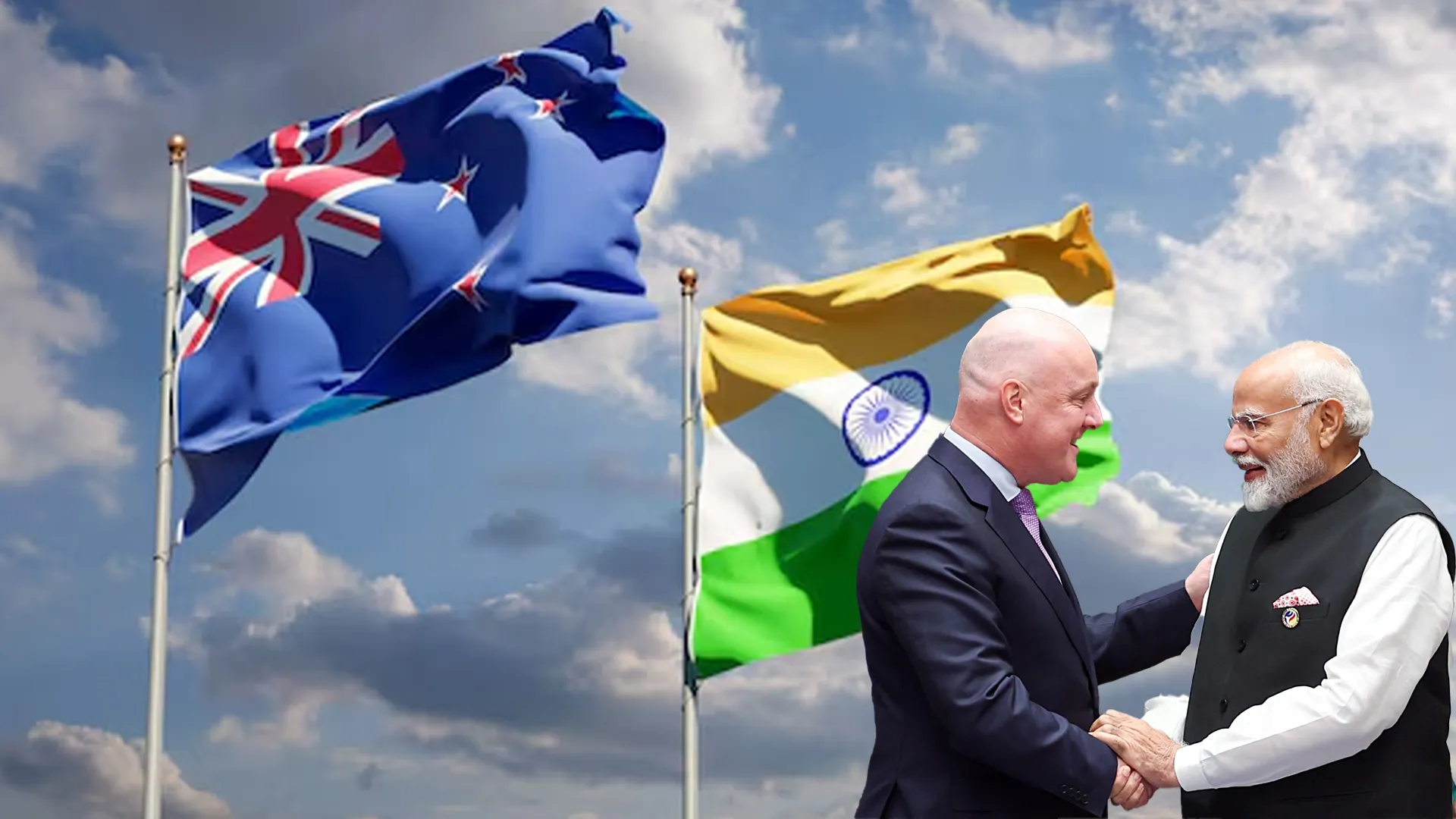
The India-New Zealand Free Trade Agreement (FTA) has introduced a new framework for dairy trade. It also reshapes international trade in the dairy trade sector. Under this FTA, New Zealand firms will be allowed to bring dairy inputs into India, process them, and re-export finished products to global markets. This move positions India as a potential processing hub, enabling indirect agriculture exports without fully opening its domestic market. According to experts, this India-New Zealand free Trade agreement signed as a strategic move to boost India’s role in global trade policy and retain the protection for local industries and farmers. However, India has kept major safeguards in place under existing tariffs Indian policies. Dairy products like milk powder, butter, and cheese continue to face tariffs designed to safeguard domestic producers. This ensures stability within the Indian economy, especially for rural dairy farmers who depend on local demand.
A common question is: what is free trade agreement? It refers to a pact between countries that decreases or removes trade barriers such as tariffs and quotas to promote smoother exchange of goods and services. In this case, the Free trade agreement focuses on more on value addition and processing rather than full market access. The deal indicates a broader shift in the Indian economy, where trade policy is meticulously balancing openness with domestic protection. While New Zealand gains limited direct access to India’s dairy market, it benefits through processing-linked export opportunities.
The India-New Zealand Free Trade Agreement becomes a hybrid paradigm of cooperation, which is an amalgamation of selective liberalisation with strategic protection, and shapes the future of international trade in the agriculture and dairy sectors.