
Ukraine Strikes Russian Oil Export Capacity Cut by 40% Amid Energy Revenue Losses
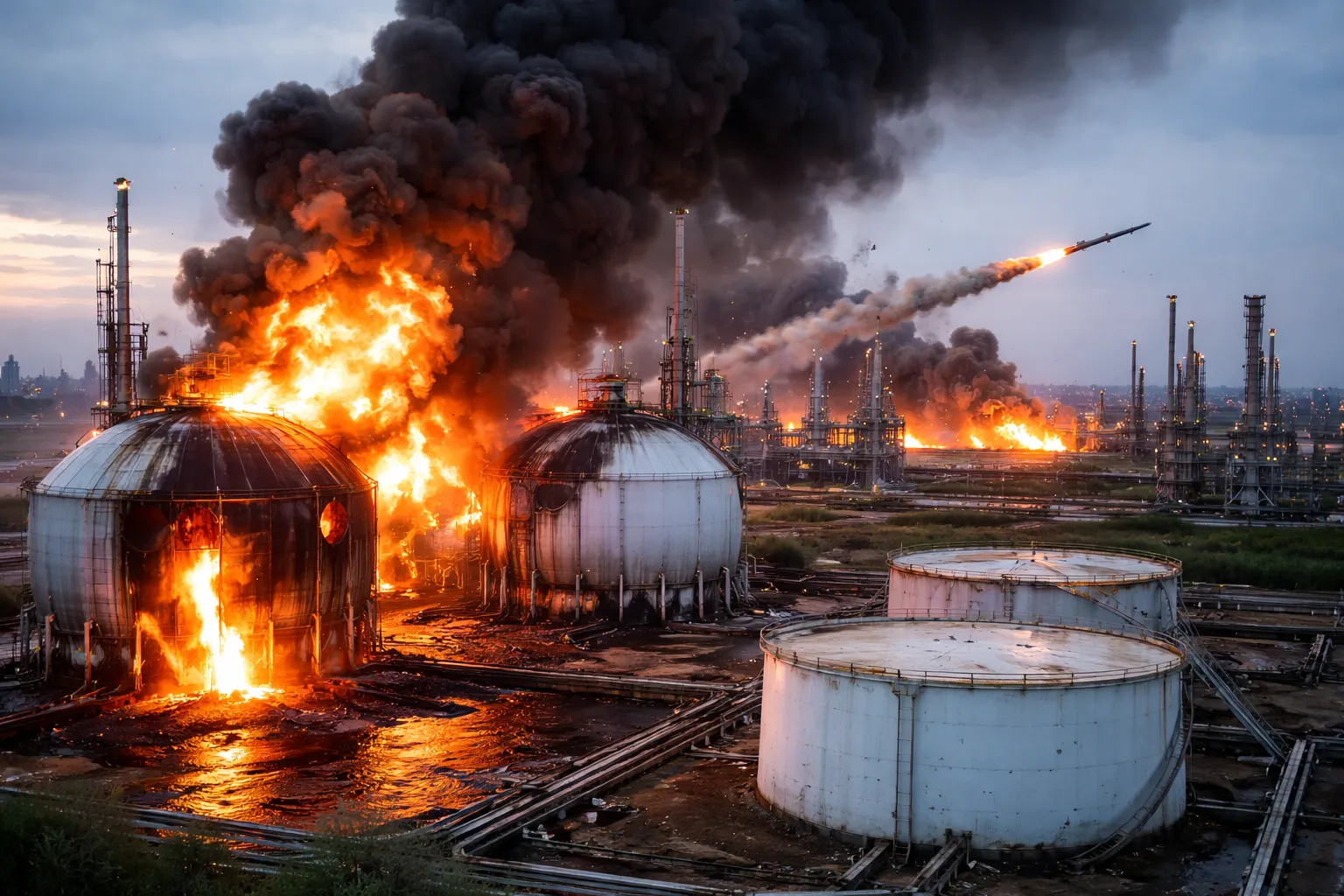
Russia has reportedly lost up to 40% of its oil export capacity following intensified military actions by Ukraine. The Ukraine strikes Russian oil export capacity campaign has targeted critical infrastructure, including key ports, pipelines, and refineries. These coordinated attacks have disrupted major energy supply chains, significantly reducing export volumes and limiting Russia’s ability to capitalise on high global oil prices. The resulting disruption has placed mounting strain on the country’s already pressured wartime economy.
Ukraine Strikes Russian Oil Export Capacity Disrupts Energy Infrastructure and Trade Routes
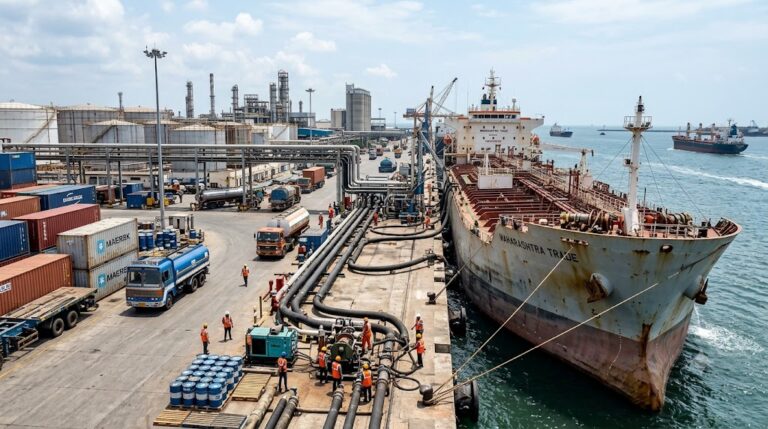
The ongoing strikes have severely impacted oil export capacity, with repeated damage to ports, pipelines, and refineries across strategic locations. These facilities are essential for transporting crude oil to international markets, and their disruption has created bottlenecks in Russia’s energy logistics network. The attacks have also increased operational risks, forcing temporary shutdowns and reducing overall output.
Major export corridors through the Baltic Sea and Black Sea have been particularly affected, leading to halted shipments and delayed deliveries. As a result, Russia’s energy revenues have come under pressure, weakening one of the Kremlin’s primary sources of foreign currency earnings. Analysts note that sustained disruptions could further reduce Moscow’s ability to benefit from volatile global oil prices.
The financial impact is significant, as oil exports remain central to funding government spending and military operations. With infrastructure damage accumulating, rebuilding and rerouting supply chains is becoming increasingly costly and complex.
If the trend continues, analysts warn that long-term constraints on export capacity could reshape Russia’s position in global energy markets.
The Ukraine strikes Russian oil export capacity situation continues to evolve, with ongoing disruptions posing a major challenge to Russia’s economic stability and energy dominance.