
Tata Motors Exports Hit by Middle East Conflict, Supply Chain Disruptions Rise
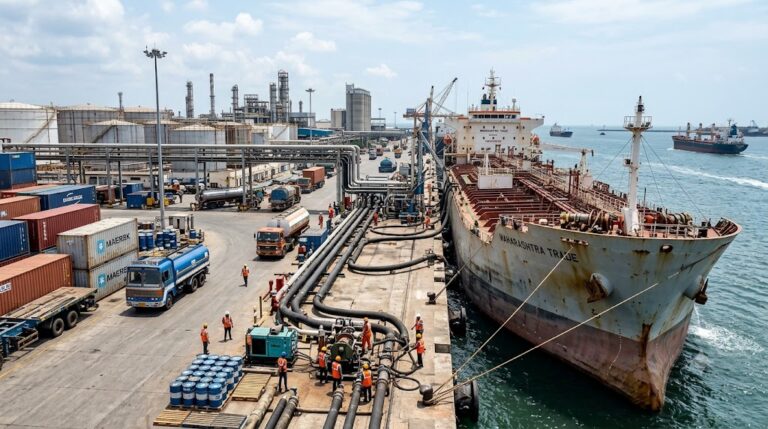
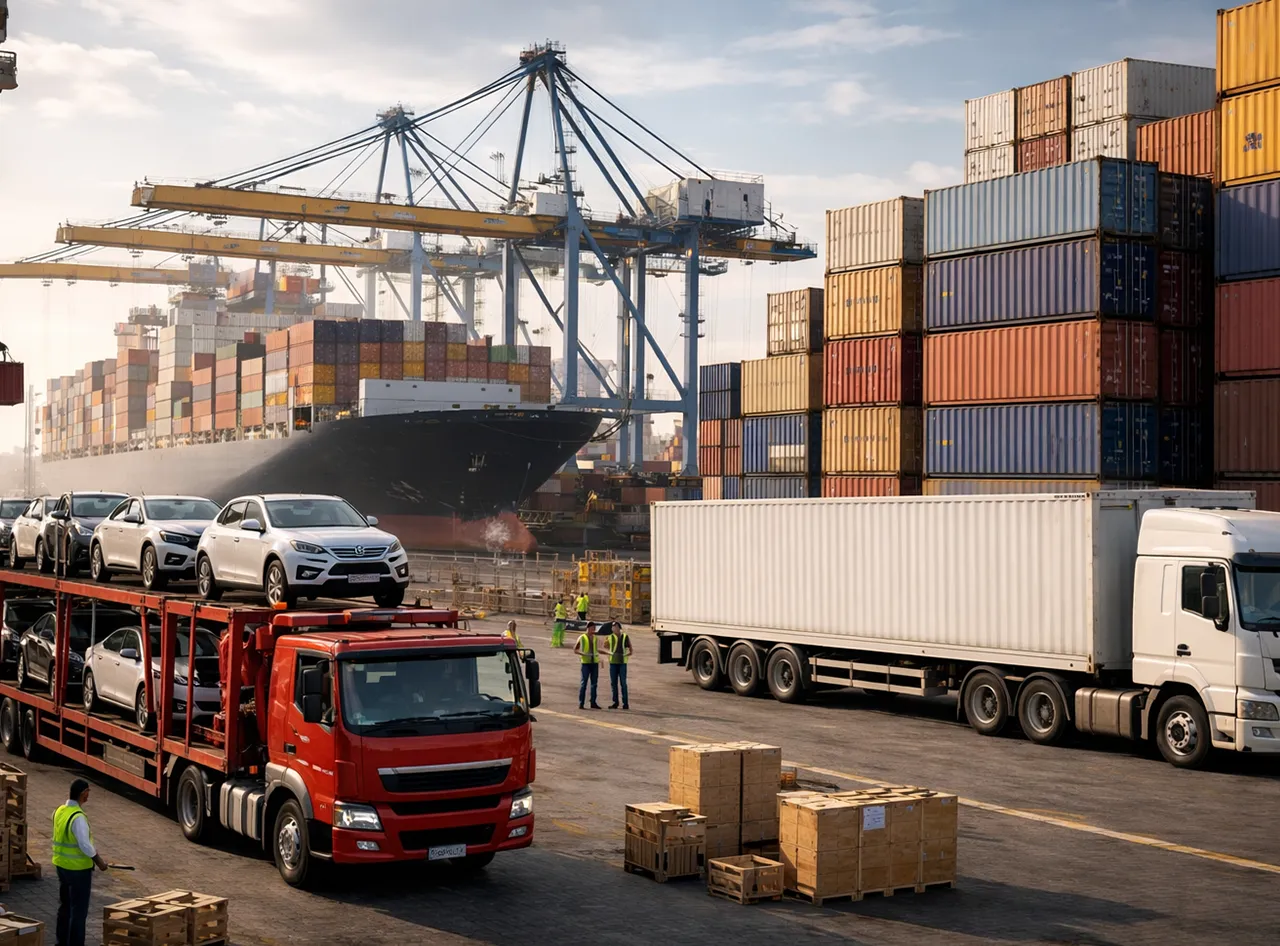
India’s Tata Motors Exports to the Middle East have come to a near halt due to the ongoing geopolitical conflict in West Asia. Shipping blockades and halted vessel movement have severely impacted logistics, forcing the company to pause shipments to key markets. The disruption is largely immediate and operational, but rising diesel prices are also expected to impact demand for commercial vehicles in the region.
Tata Motors Exports: Supply Chain Challenges and Sector Impact
The Tata Motors Exports slowdown reflects broader challenges faced by India’s auto sector. The Middle East accounts for nearly 1.6–1.7 lakh vehicle exports annually, making it a crucial market. However, Red Sea disruptions, shipping delays, and rerouted maritime paths have increased transportation costs by up to 2–3 times. According to industry estimates, auto component exports worth billions are also affected. While larger firms like Tata Motors can shift focus to domestic markets or regions like Africa, small and medium exporters face significant pressure.
Economic Implications and Future Outlook
The ongoing crisis impacting Tata Motors Exports may have wider economic consequences, including rising logistics costs and inflation. Higher diesel prices could increase transportation expenses, affecting supply chains and end consumers. Additionally, job creation and production cycles in the auto sector may face disruptions if the situation persists.
To mitigate risks, companies are exploring alternative markets such as Latin America and ASEAN countries. In conclusion, while Tata Motors Exports face short-term setbacks, long-term resilience will depend on diversification and adapting to evolving global trade routes.