
APEDA RCAC Fee Hike Impact on Basmati Exporters: ₹70 Per Ton Charge Raises Concerns
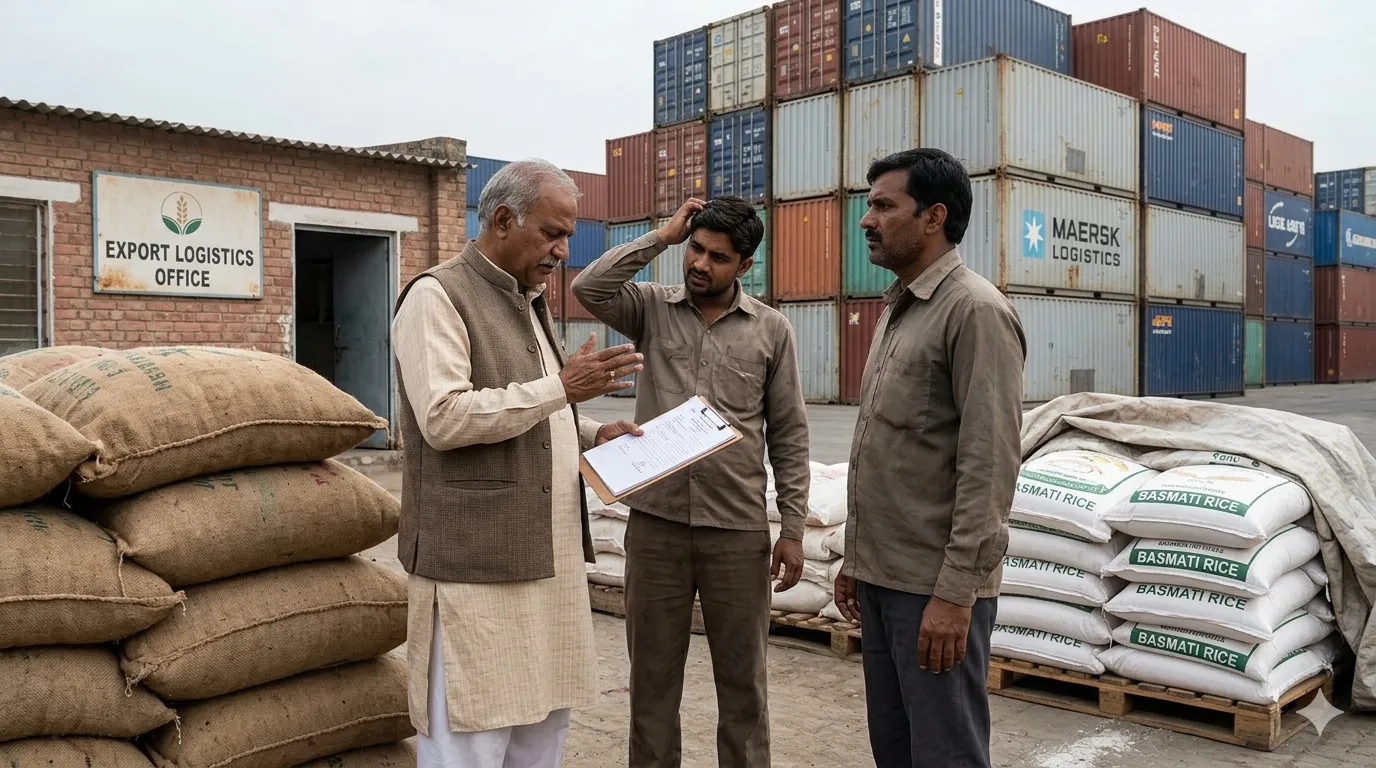
India’s basmati rice export sector is facing growing pressure as the APEDA RCAC fee hike impact on basmati exporters becomes a major concern. The ₹70 per metric ton processing fee imposed by the Agricultural and Processed Food Products Export Development Authority (APEDA) is now being seen as an added burden on exporters already dealing with global uncertainties.
APEDA RCAC fee hike impact on basmati exporters
The Indian Rice Exporters Federation (IREF) has formally raised objections, writing to APEDA on April 14, 2026, demanding an immediate rollback of the RCAC fee. As per the August 2025 notification, the fee was increased from ₹30 to ₹70 per ton, and with GST included, it now stands at ₹82.60 per ton. This represents a sharp 133% increase in processing charges, leading to rising export costs and shrinking profit margins.
India exports nearly 6 million metric tonnes of basmati rice annually, generating over ₹50,000 crore in revenue. The country’s total rice exports exceed ₹1 lakh crore, accounting for around 40% of global rice trade. Despite this strong position, exporters are grappling with policy uncertainty and increasing operational costs.
Global crisis and rising logistics costs
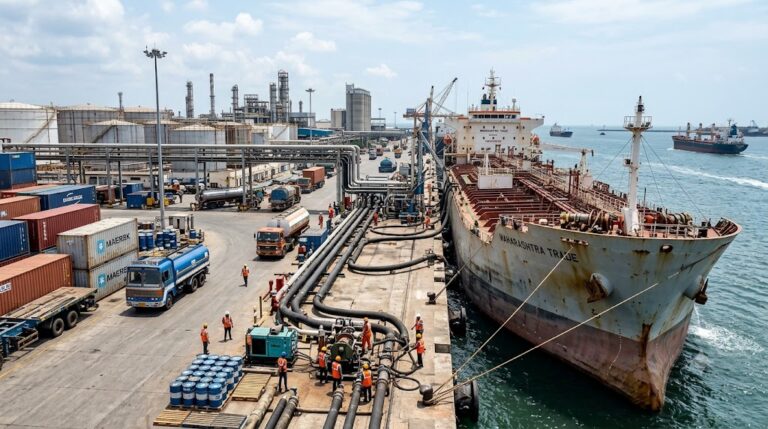
The situation is further aggravated by global geopolitical tensions. Key maritime routes such as the Strait of Hormuz and the Red Sea region have witnessed disruptions, significantly increasing freight charges. Container shipping costs have surged from $600 to nearly $2,600, causing a sharp rise in shipping costs and heightened export risks.
Impact on exporters and MSMEs
Profit margins in basmati exports are already thin, typically around 2–3%. The additional fee has intensified financial pressure on MSME exporters, reduced global price competitiveness, and triggered cash flow challenges. Smaller exporters, in particular, are at risk of exiting the market due to unsustainable costs.
Ripple effect on farmers
The impact of this policy extends beyond exporters. Farmers in states like Punjab, Haryana, Uttar Pradesh, and Uttarakhand rely heavily on basmati exports. As exporters face higher costs, the burden is often passed down the supply chain, resulting in lower prices for farmers and stress on the rural economy.
Big Picture: ₹42 crore vs ₹1 lakh crore industry
While APEDA collects around ₹42 crore annually from this fee, India’s total rice export industry is valued at over ₹1 lakh crore. This raises critical questions about the necessity of such charges, especially when the Basmati Export Development Fund is already well-funded.
In conclusion, the APEDA RCAC fee hike impact on basmati exporters cannot be ignored. If India aims to achieve its $100 billion agricultural export target by 2030, it must support exporters by reducing policy burdens and ensuring a stable trade environment.