


Brazil Exports Set to Surge as EU–Mercosur Trade Deal Projects 13% Growth by 2038
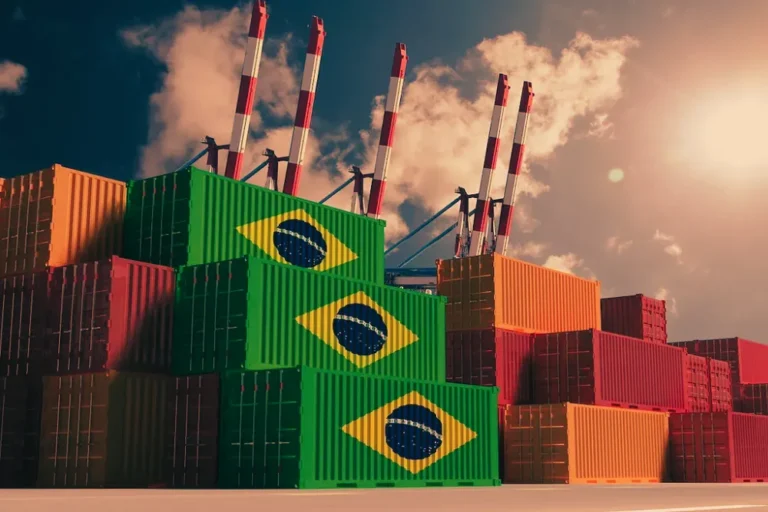
The outlook for Brazil exports is set to strengthen significantly as the country prepares to benefit from the EU–Mercosur trade agreement. Brazil is targeting a projected 13% increase in exports by 2038, driven by expanded access to European markets and the gradual removal of trade barriers.
The agreement will phase out tariffs on thousands of products, allowing Brazilian goods to compete more effectively in the European Union. Key sectors such as agriculture, industrial manufacturing, and processed food exports are expected to see the strongest gains from improved trade conditions.
While some tariff reductions will begin immediately, full implementation of the deal will take more than a decade. This long transition period is designed to help businesses adjust to changing trade dynamics and ensure stability across both regions.
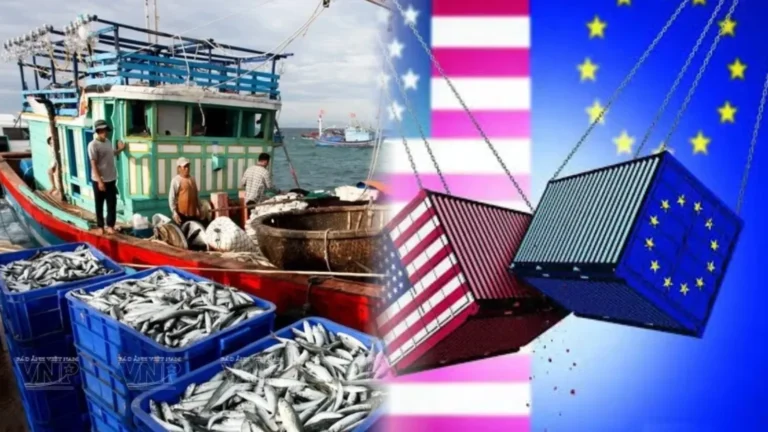
The agreement also includes safeguard mechanisms that allow temporary protection against sudden import surges. These measures are intended to protect domestic industries in both the EU and Mercosur countries while still encouraging long-term trade expansion.
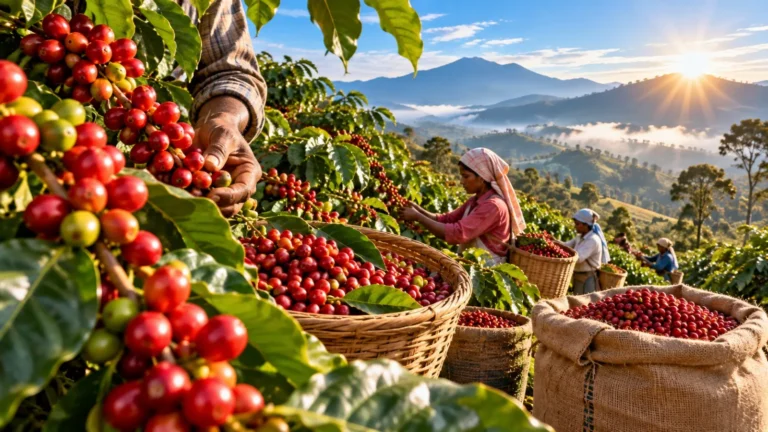
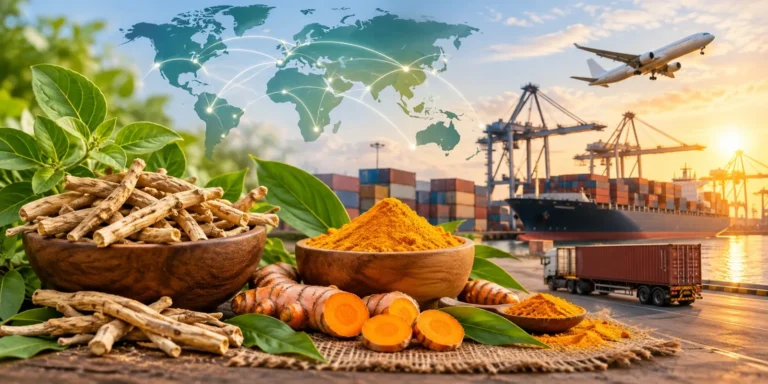
Analysts say stronger Brazil exports could reshape global supply chains, particularly in food and agricultural commodities where Brazil already holds a competitive advantage. Improved trade access is also expected to boost investment and production capacity within the country.
Overall, the EU–Mercosur agreement represents a major opportunity for Brazil exports, positioning the country for sustained growth, stronger global integration, and enhanced economic competitiveness over the coming decades.



1 thought on “Brazil Exports Set to Surge as EU–Mercosur Trade Deal Projects 13% Growth by 2038”
Comments are closed.