

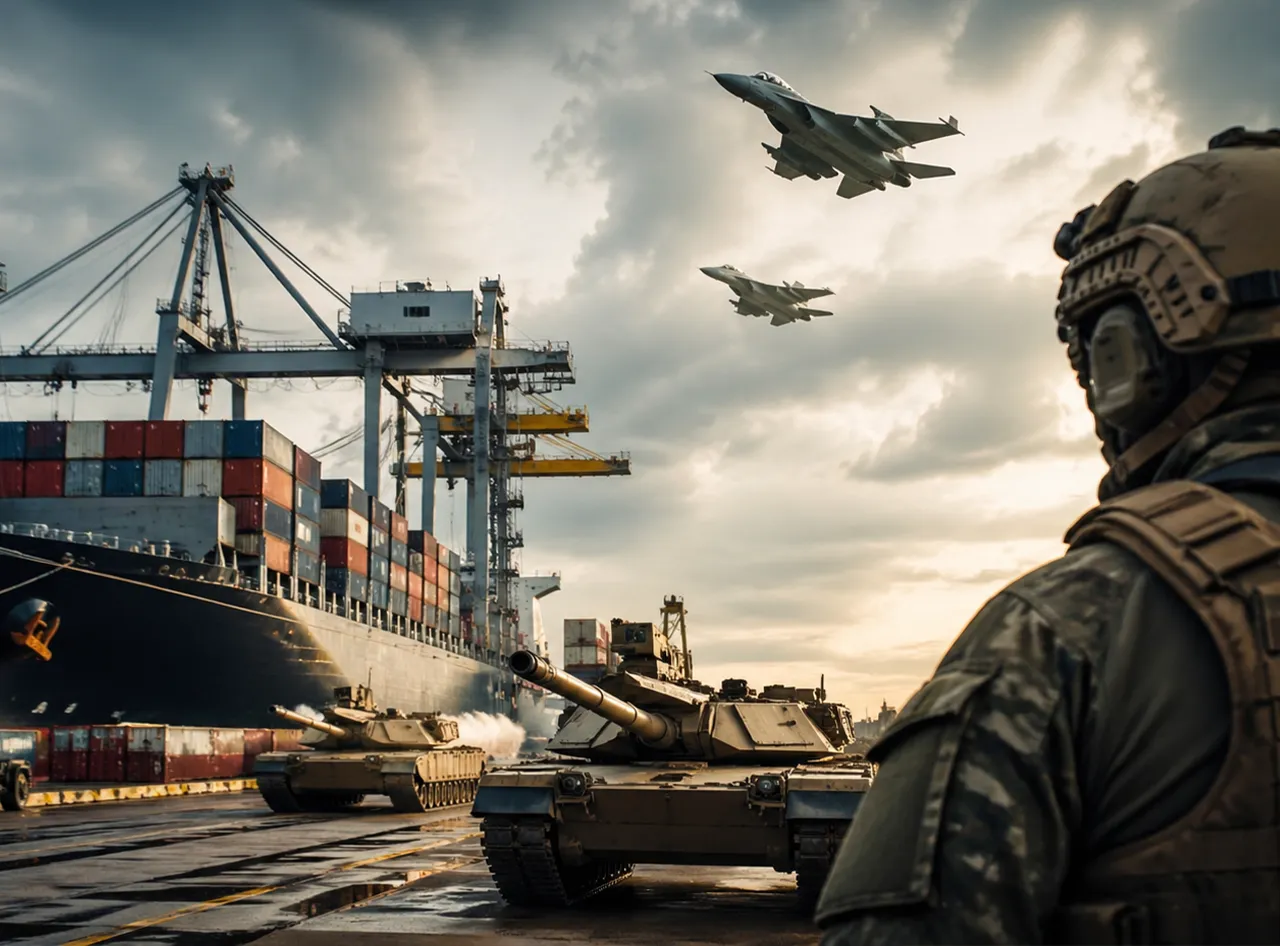
Defence Industry Faces Supply Chain Crisis as Global Demand Surges Amid Rising Military Spending
The defence industry is under increasing pressure as strong global demand, driven by rising geopolitical tensions, collides with major production and supply chain constraints. Despite higher military spending worldwide, manufacturers are struggling to meet delivery timelines due to structural challenges across the sector.
Countries such as the United States and several European nations are facing severe supply chain disruptions, particularly in sourcing critical raw materials like semiconductors, specialty metals, and advanced electronics. These shortages are slowing down production lines and delaying defence equipment deliveries.
At the same time, the industry is grappling with rising manufacturing costs and limited industrial capacity, making it difficult to scale up output quickly. Many defence contractors are also facing workforce shortages, further compounding production delays.
The surge in global military procurement budgets has not translated into faster delivery of weapons systems, as long production cycles and complex supplier networks continue to act as bottlenecks. This mismatch between demand and supply is raising concerns among defence planners worldwide.
Experts warn that without significant improvements in logistics infrastructure, skilled labour availability, and production efficiency, the defence industry may struggle to meet growing security requirements in the coming years.
Governments and manufacturers are now exploring ways to strengthen supply chain resilience, expand domestic production, and modernize defence manufacturing systems. However, analysts believe these changes will require long-term investment and coordination.
Overall, the defence industry remains a critical but strained sector, facing mounting challenges even as global security demands continue to rise.