
Agriculture Trade in Iraq Food Commodity Exchange to Transform Markets and Boost Exports
The future of Agriculture trade in Iraq is set for a major transformation as the government plans to launch its first food commodity exchange. This initiative is part of broader economic reforms aimed at improving market transparency and strengthening export pathways.
The proposed exchange is designed to organize Agriculture trade more efficiently by regulating supply, stabilizing prices, and improving access to markets. Authorities aim to ensure domestic food security by prioritizing local demand while building strategic reserves to protect against shortages and price shocks.
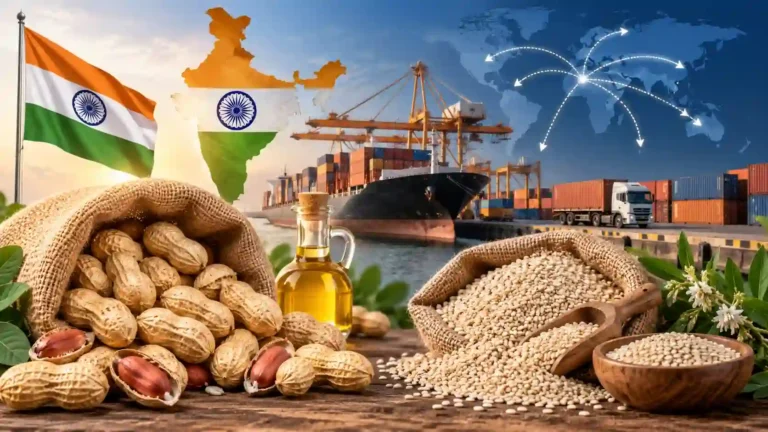
Once production exceeds domestic needs, Iraq plans to begin exporting surplus agricultural goods by 2026. This shift is expected to open new opportunities for Agriculture trade, positioning Iraq as an emerging player in regional food markets.
A key goal of the initiative is to diversify state revenue sources, reducing dependence on oil income. By formalizing commodity trading, the government hopes to create a more balanced and sustainable economic structure.
The exchange is also expected to attract foreign investment into Iraq’s agricultural sector, encouraging global participation and improving infrastructure. Additionally, it will support currency stabilization by increasing export earnings and strengthening trade flows.
Another major objective is to enhance the global reputation of “Made in Iraq” agricultural products, helping them gain stronger acceptance in international markets.
Experts believe that strengthening Agriculture trade through structured market systems could significantly improve efficiency, transparency, and long-term economic stability.
Overall, the new food commodity exchange represents a strategic effort to modernize Agriculture trade, boost exports, and stabilise Iraq’s evolving agricultural economy.