

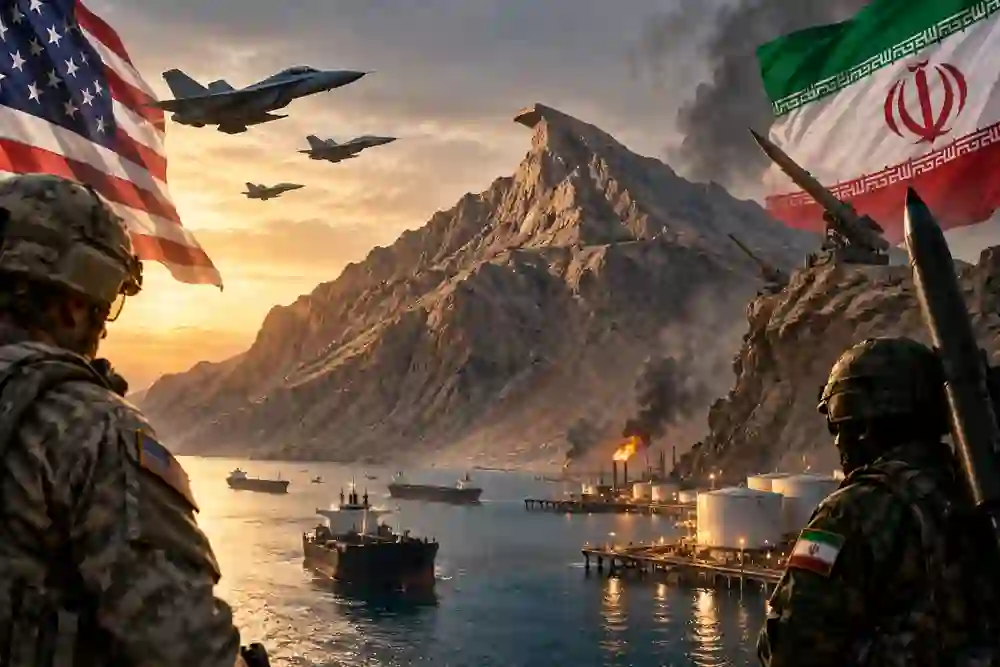
US-Iran War: Pickaxe Mountain & Oil Market Risks
The US-Iran war is entering another potentially dangerous phase as US President Donald Trump once again raises the possibility of striking Pickaxe Mountain, a remote Iranian site believed to be associated with a deeply fortified underground complex.
The renewed warning has drawn attention because Pickaxe Mountain is reportedly connected to Iran’s sensitive nuclear infrastructure. Any military action against such a facility could trigger a strong response from Tehran and potentially widen the Middle East conflict.
The biggest concern, however, may not be limited to military retaliation. Markets are closely watching the Strait of Hormuz, a crucial energy corridor through which a significant share of global oil supplies passes. Any disruption could place additional pressure on Brent crude, WTI crude and energy prices worldwide.
What happened to US diesel prices amid US-Iran war?
Rising fuel costs are already creating concerns for consumers and businesses, particularly as higher diesel prices increase transportation and operating expenses. A prolonged confrontation could therefore transform a regional security crisis into a broader global oil market shock.
Venezuela is also becoming an important part of the geopolitical picture. With some of the world’s largest proven oil reserves, the country could attract renewed attention as governments and energy markets look for alternative sources of supply.
The combination of Iran tensions, potential disruption around the Strait of Hormuz and changing global energy dynamics creates a complicated challenge for Washington. The possibility of further military escalation could have consequences extending well beyond West Asia.
The key question now is whether Trump will actually order an attack on Pickaxe Mountain—and whether any retaliation could send another shockwave through global energy markets.