
US-Iran War: Will Hormuz, Oil & Venezuela Change Everything?
US-Iran War: Will Hormuz, Oil & Venezuela Change Everything?
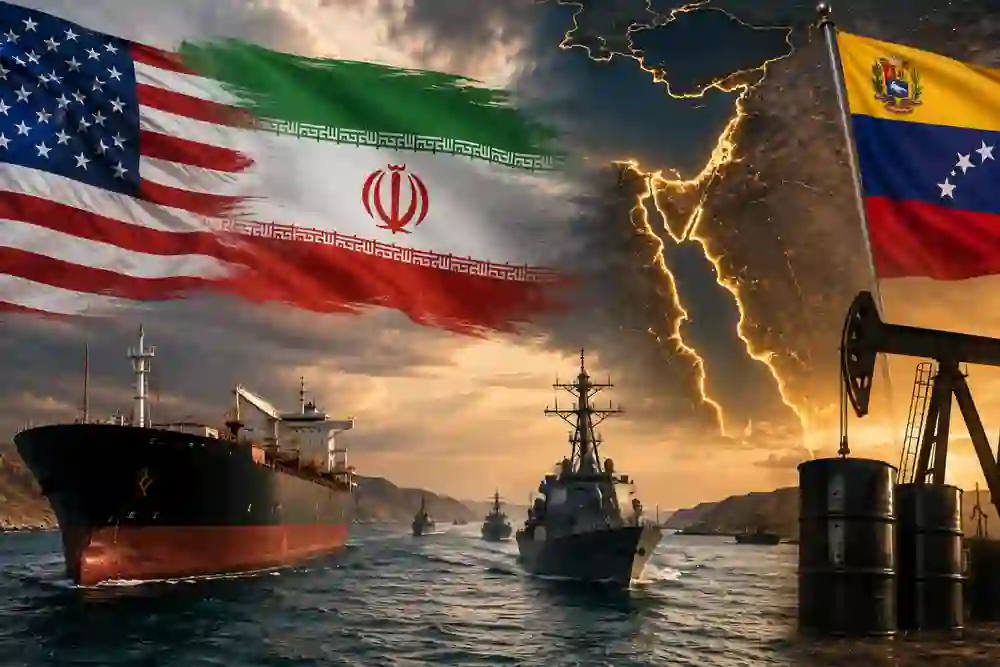
The US-Iran war has entered a dangerous phase, with the conflict increasingly raising concerns about global energy supplies, oil prices and fuel costs. Six months into the confrontation, the Strait of Hormuz has emerged as a major flashpoint, putting the global oil market on alert.
Iran’s Revolutionary Guard claims it has decisive control over the strategic waterway and says ships must coordinate with Iranian authorities before passing through. Washington, however, disputes this position, maintaining that the Strait remains open and that shipping lanes have been cleared.
The significance of Hormuz cannot be overstated. The waterway is an important route for global energy shipments, and any prolonged disruption could trigger a sharp increase in oil prices. Higher crude costs could eventually affect transportation, manufacturing and consumer fuel bills across major economies.
Despite the geopolitical tensions, crude markets have shown a surprising response. Oil prices ended the week lower, with traders apparently viewing the conflict more as an economic and sanctions-related battle rather than an immediate disruption to physical oil supplies.
What about WTI Crude and Brent Crude amid US-Iran war?
WTI crude is currently around $83.40 per barrel, whereas Brent crude is around $88.10. However, market conditions can change quickly if tensions escalate or shipping through Hormuz is significantly disrupted.
The conflict is creating pressure within the United States. The US Navy is reportedly facing budget challenges as resources are redirected towards the Iran conflict, potentially putting additional pressure on maintenance and other military operations.
Why is Trump pitching for Venezuela’s oil industry ?
At the same time, US President Donald Trump is making another major move in the global energy landscape by seeking greater access to Venezuela’s vast oil reserves. The objective is to revive Venezuela’s oil industry and potentially increase crude supplies to international markets. If successful, additional Venezuelan production could provide another source of supply and potentially ease some pressure on global markets.
For India, the developments are particularly important. Changes in global crude prices can influence the broader outlook for petrol prices, diesel prices and LPG prices, although domestic fuel rates depend on several other factors, including taxes, refining costs and currency movements.
As the Middle East conflict continues, markets will closely monitor Hormuz, crude supplies and geopolitical developments.
The major question is: Could a prolonged confrontation transform the global oil market—and eventually increase India’s fuel costs?