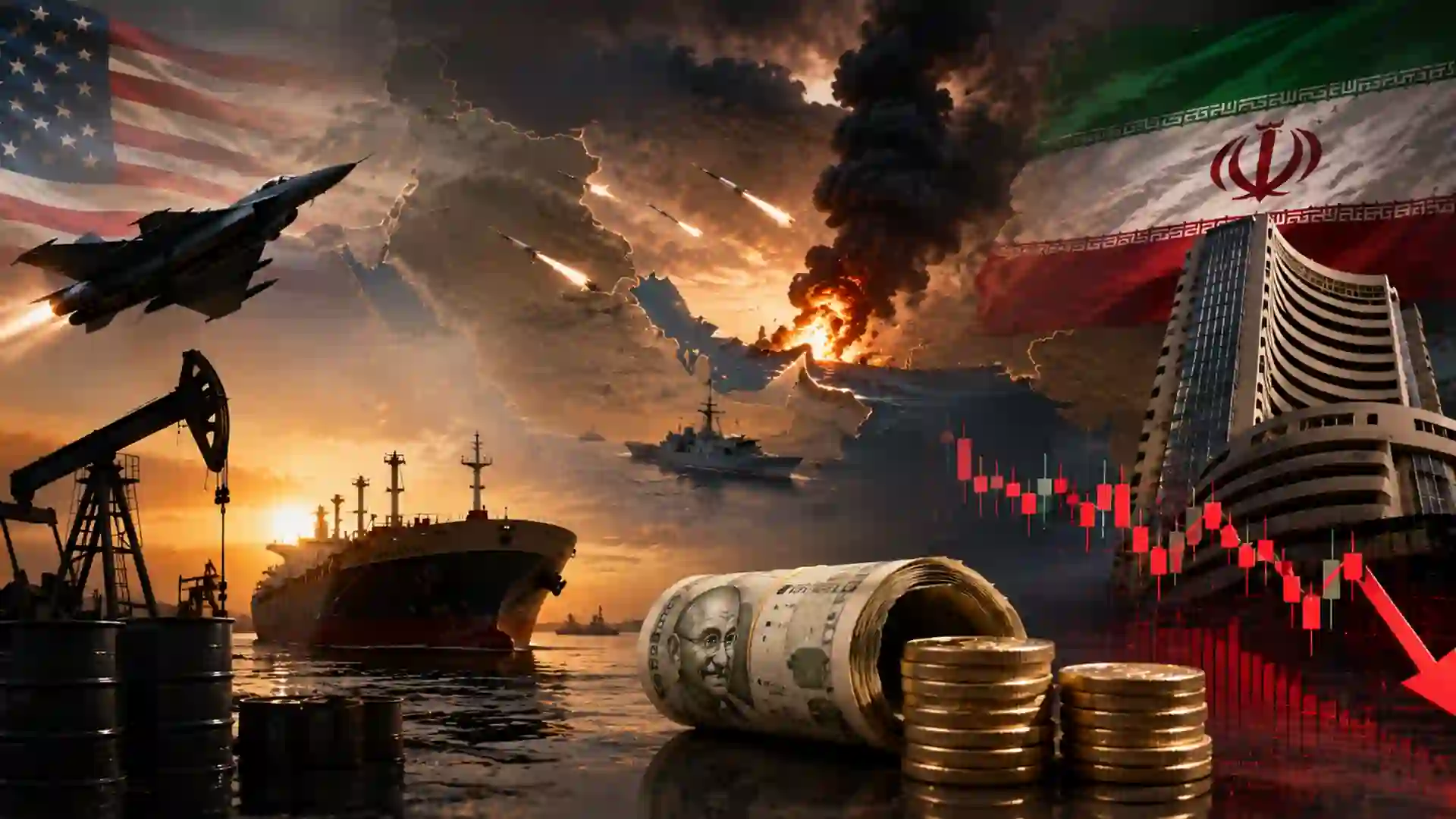
The US-Iran war is entering a dangerous phase, with growing geopolitical tensions creating fresh risks for global energy markets and India’s economy. Washington has tightened sanctions on Iran, targeting major economic lifelines and increasing pressure on businesses and countries that continue trading with Tehran. The immediate concern is whether the conflict escalates further. Iran has threatened retaliation, while tensions surrounding the Strait of Hormuz remain elevated. The strategic waterway is one of the world’s most important energy routes, carrying a significant share of global oil shipments.
How Hormuz Threat Puts Crude Oil at Risk?
Any disruption to oil flows through Hormuz could trigger a sharp reaction in crude oil prices. Brent crude has been trading around $92 a barrel, whereas WTI crude is around $85, reflecting heightened concerns over global supply. A further escalation could tighten international oil supplies and push Brent crude, WTI crude and Iranian oil prices higher.
Why India Could Feel the Pressure?
India imports most of the crude oil it consumes, making the country particularly vulnerable to rising international energy prices. Notably, higher crude prices increase India’s oil import bill and can put additional pressure on the Indian rupee, which is already trading around ₹95.74 against the US dollar. A weaker rupee can make imported goods more expensive, adding to inflationary pressures. Higher fuel and transportation costs can also increase expenses for businesses and squeeze corporate margins.
How Nifty Faces Geopolitical Pressure?
The Nifty 50 has remained under pressure as investors assess sanctions, elevated oil prices and broader geopolitical risks. Rising crude prices can hurt sectors dependent on transportation and energy while increasing concerns about inflation and interest rates. India’s trade with Iran could also face disruption. Exporters of rice, tea and pharmaceuticals may encounter greater uncertainty around payments, shipping and financial transactions because of tighter sanctions.
What Investors Should Watch?
The major chain reaction is clear: sanctions tighten, tensions rise, Hormuz faces greater risk, and crude oil prices could surge. That could increase India’s import bill, weaken the rupee and put further pressure on equities. For India, the conflict is therefore not a distant geopolitical event. It can affect fuel prices, inflation, currency markets, businesses and investments.
The biggest question now is whether the conflict escalates further—and if the Strait of Hormuz becomes the next flashpoint, how high could crude oil go?