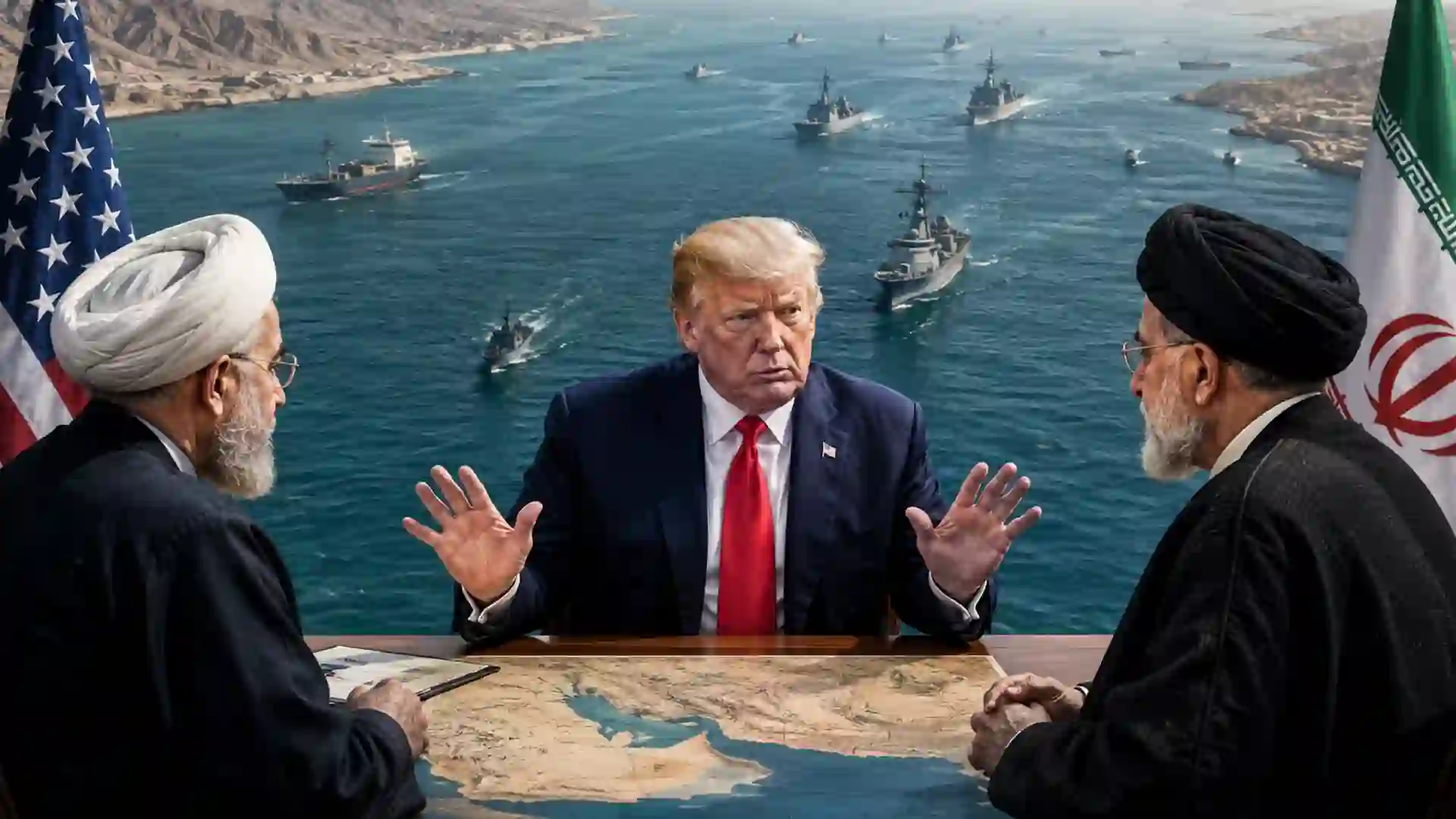
The Strait of Hormuz, one of the world’s most important oil routes, has once again gained traction as diplomatic efforts between the United States and Iran raise hopes of a possible breakthrough. Moreover, the outcome of negotiations could have consequences far beyond the Middle East conflict, potentially affecting crude oil prices, global trade, shipping costs and India’s energy security.
What Has US President Trump Said Amid the Strait Of Hormuz Opening Tensions?
US President Donald Trump has said the Iran war has to end pretty soon, indicating a renewed push for diplomacy. According to him, negotiations are progressing, and a final agreement could be within reach if both sides move quickly. In addition, a key element of the proposed agreement is the immediate and complete reopening of the strategic waterway. Notably, the Strait is one of the world’s most critical routes for energy transportation, which makes its security crucial for oil-importing nations and international markets. The proposed deal would also address concerns surrounding Iran’s nuclear programme.
President Trump has indicated that the pause in planned US military action could continue only if an agreement is completed without significant delays. The latest diplomatic push comes after an earlier ceasefire failed, with Washington and Tehran accusing each other of violating the agreement. Subsequently, renewed fighting and US strikes on Iranian military targets increased concerns about a wider regional escalation.
How Markets Watch the Iran-US Developments?
Financial markets are already responding to uncertainty surrounding the Middle East conflict. Brent crude has increased to $83.47 per barrel, whereas WTI crude is trading at $78.06. The US dollar is also trading at around ₹95.26, indicating continued pressure and uncertainty in global markets.
The direction of crude oil prices, energy markets, shipping costs and inflation will depend heavily on future developments. If negotiations succeed and the waterway fully reopens, oil supplies could stabilise, and shipping disruptions could ease. This could reduce pressure on fuel prices and global inflation.
But, a breakdown in talks could have the opposite effect. Besides this, renewed military action or disruption to oil shipments could push global oil prices higher, increase transportation costs and intensify inflationary pressures.
India’s Energy Security at Stake
Undoubtedly, the developments are particularly significant for India, which depends heavily on imported crude oil to fulfil its energy requirements. Any prolonged increase in international oil prices could raise domestic fuel costs and affect inflation, transportation and industrial production.
At the same time, Israeli PM Benjamin Netanyahu has spoken with Indian PM Narendra Modi about the evolving situation in West Asia and the India-Israel strategic partnership. The conversation signals India’s growing diplomatic role as regional tensions continue.
Ultimately, the upcoming days could determine more than the direction of the US-Iran War. A successful diplomatic agreement could support energy-market stability, global trade and economic growth, whereas renewed escalation could create another major shock for international commodity markets.