Why Iran Has Rejected Oman’s Proposal Regarding The Strait Of Hormuz?
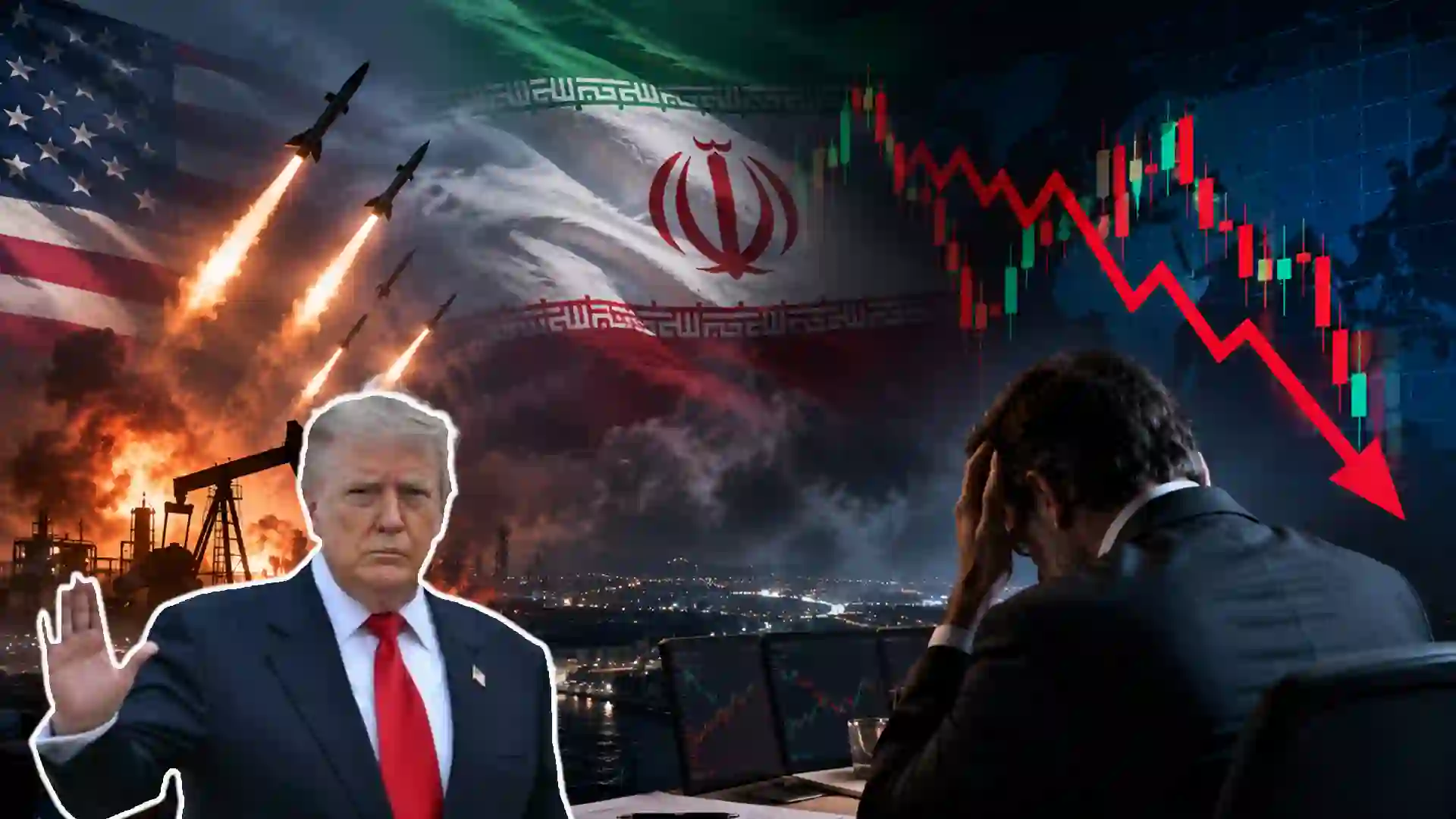
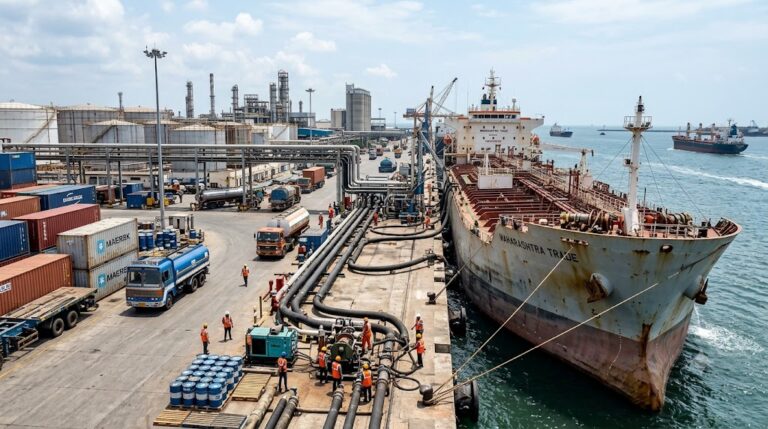
Meanwhile, Iran has rejected Oman’s proposal to divide transit routes through the Strait of Hormuz. Significantly, it is one of the world’s most critical oil chokepoints. Instead of this, Tehran is demanding complete control over the inbound shipping corridor and partial control over the outbound route. Notably, any disruption here could affect nearly one-fifth of the world’s oil trade.
Reaction Of Markets Amid Middle East Conflict
The flames of the US-Iran war have impacted financial markets too. Notably, the markets have already reacted. As Brent crude surged over 7.5%, crossing 90 dollars per barrel, whereas WTI crude crossed nearly 7%, which reflects fears that global oil supplies could face serious disruptions.
When it comes to India, the Sensex opened nearly 700 points higher, whereas the Nifty also gained sharply as markets reacted to increasing commodity prices and the possibility of higher earnings for energy-related companies. However, history has shown that prolonged geopolitical tensions can also drive up inflation, increase fuel prices, and create uncertainty for businesses and consumers alike.
The question is no longer whether the conflict is escalating. On the contrary, the real question is how far it will spread, and who will ultimately pay the price.