
Weak Monsoon Delays Kharif Sowing: Kharif Sowing Area Falls as Rice, Cotton and Soybean Acreage Decline
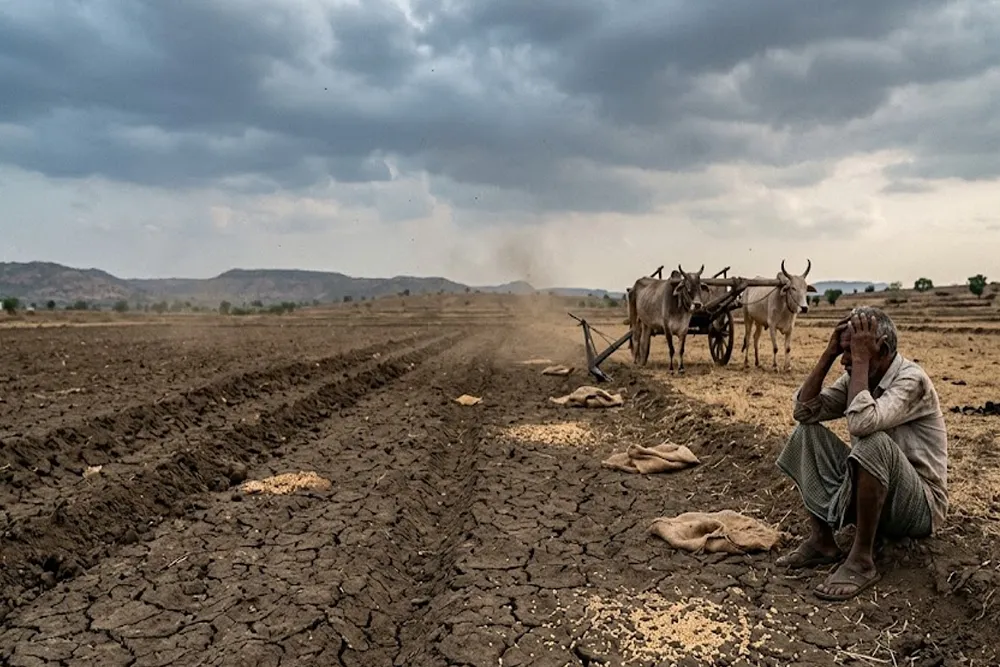
India’s Kharif sowing season has faced a gradual start this year as the delayed southwest monsoon continues to affect agricultural activities in the major farming states. The latest data has shown the total Kharif sowing area reached 18.27 million hectares as of June 25. It marks a 23% decline compared to the same period last year. The delayed rainfall has affected the planting of major Kharif crops including rice, soybean and cotton, raising concerns over crop production and farm incomes. Among the major crops, rice sowing has reduced to 2.58 million hectares from 3.44 million hectares a year ago. Moreover, Soybean has faced the sharpest fall, with acreage dropping 65% to 692,000 hectares, whereas cotton cultivation has declined 35%. The slow progress in the Kharif sowing season is primarily attributed to below-normal rainfall during the initial weeks of the monsoon.
In addition, the delay has sparked concerns over the upcoming Kharif marketing season as lower acreage could affect crop output and market arrivals in the upcoming months. However, according to agricultural experts, an improvement in rainfall during July could help farmers complete pending sowing operations and recover a significant portion of the lost acreage. The progress of the monsoon in the coming weeks will remain vital for India’s agricultural sector, as timely rainfall can support better crop establishment and improve production prospects. Farmers, policymakers and commodity markets will closely monitor weather developments, as they will play a major role in determining the outlook for the 2026 Kharif crop season.