
Indian Agriculture Battles With New Challenges from Yo-Yo Monsoon
Indian Agriculture Battles With New Challenges from Yo-Yo Monsoon
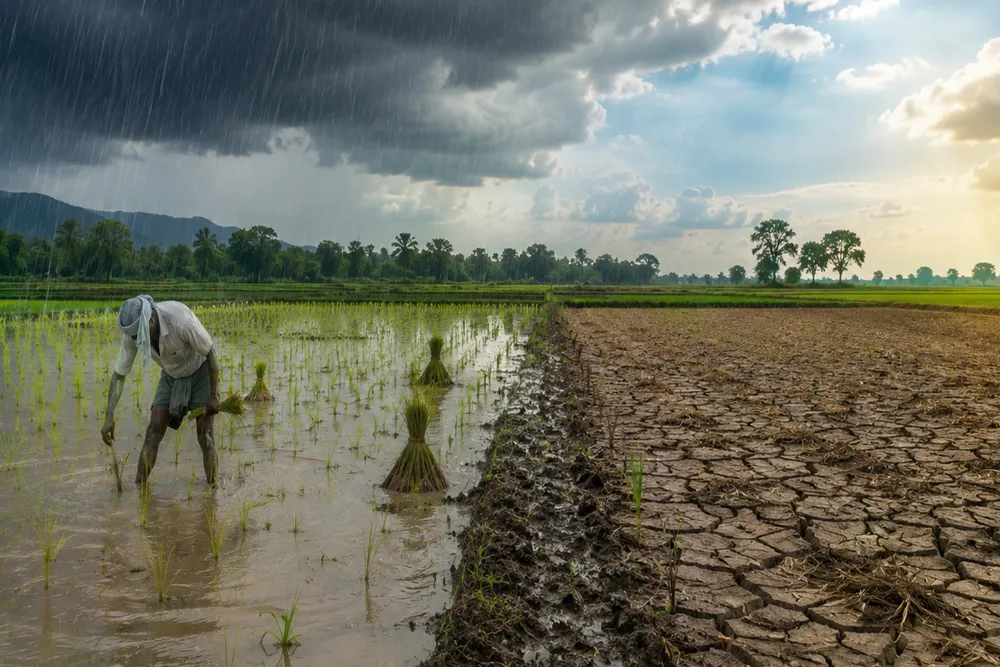
Indian agriculture is battling with fresh challenges as erratic monsoon patterns continue to disrupt farming activities in the country. Instead of consistent rainfall, several regions are experiencing alternating periods of heavy downpours and prolonged dry spells, creating uncertainty for farmers and raising concerns over agricultural productivity.
The fluctuating India monsoon pattern is affecting major crops such as rice, pulses, and oilseeds, which depend heavily on timely rainfall. Whereas excess rain can damage standing crops and cause flooding, prolonged dry conditions can reduce soil moisture and delay sowing activities. These changes are rising production risks and adding pressure on agriculture in India, where millions of farmers depend on monsoon-driven cultivation.
According to experts, the impact on the monsoon extends beyond farming. Uneven rainfall affects hydroelectric power generation, rising stress on the India power grid, particularly during periods of high electricity demand. At the same time, weather-related disruptions in agricultural output can influence food prices, rural incomes, and the broader Indian economy.
Climate scientists believe that changing weather patterns, including the influence of El Niño, are contributing to greater rainfall variability across the country. As climate risks increase, policymakers and agricultural experts are emphasizing climate-resilient farming practices, improved irrigation systems, better weather forecasting, and efficient water management.
Strengthening resilience in Indian agriculture will be imperative to protect food security, safeguard farmer livelihoods, and ensure sustainable economic growth. As the monsoon patterns becoming unpredictable, it has become the priority to adapt to climate change priority for both the agriculture and energy sectors.