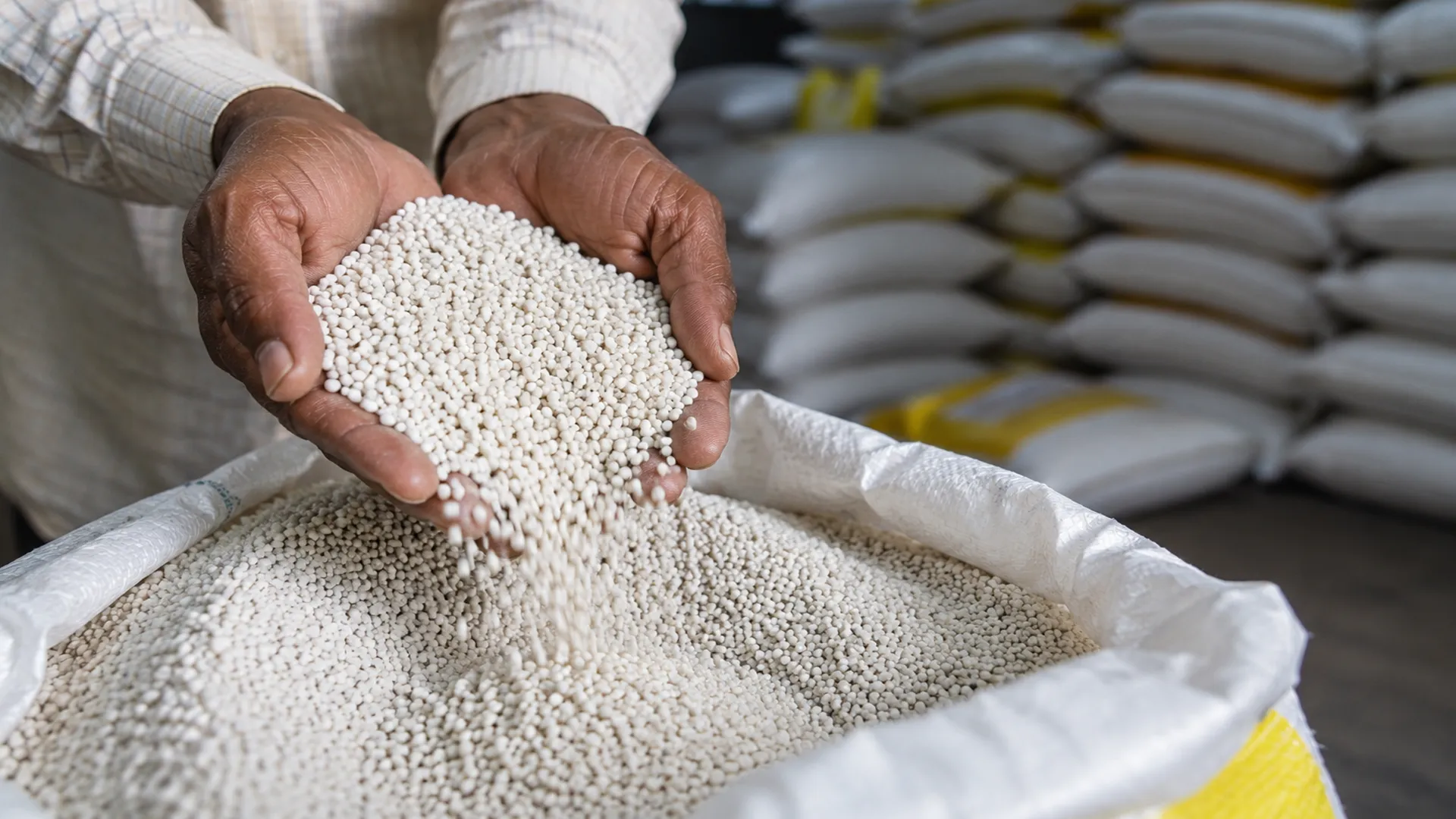
India has secured higher-than-expected prices in its latest DAP fertiliser prices import tender, outlining ongoing pressure in global agricultural input markets. The increase comes amid tightening international supply conditions and persistent geopolitical tensions affecting key production and shipping routes.
The diammonium phosphate (DAP) procurement indicates rising costs in global markets, where disruptions in significant exporting regions have reduced availability and pushed prices upward. Consequently, India is witnessing increased import costs at a time when demand for fertilisers remains strong before of the upcoming cropping cycles.
According to officials, the elevated pricing is likely to add to the government’s subsidy burden, as fertiliser support remains crucial for maintaining affordable input costs for farmers. The situation highlights how external supply shocks are directly affecting domestic agricultural planning and fiscal outlays.
As per industry experts, global fertiliser markets continue to remain volatile due to supply chain constraints, energy price fluctuations, and geopolitical instability. These factors have significantly affected DAP import cost India, making procurement more expensive compared to previous cycles.
Notably, the trend also indicates broader challenges in securing stable supplies of key nutrients essential for crop productivity. Analysts warn that sustained high prices could impact fertiliser subsidy burden, especially if global disruptions continue through the main planting seasons.
Despite these challenges, India continues to prioritise ensuring adequate fertiliser availability for farmers through timely imports and government support mechanisms. The latest tender underscores the country’s dependence on international markets for critical agricultural inputs and the need for long-term supply diversification strategies.