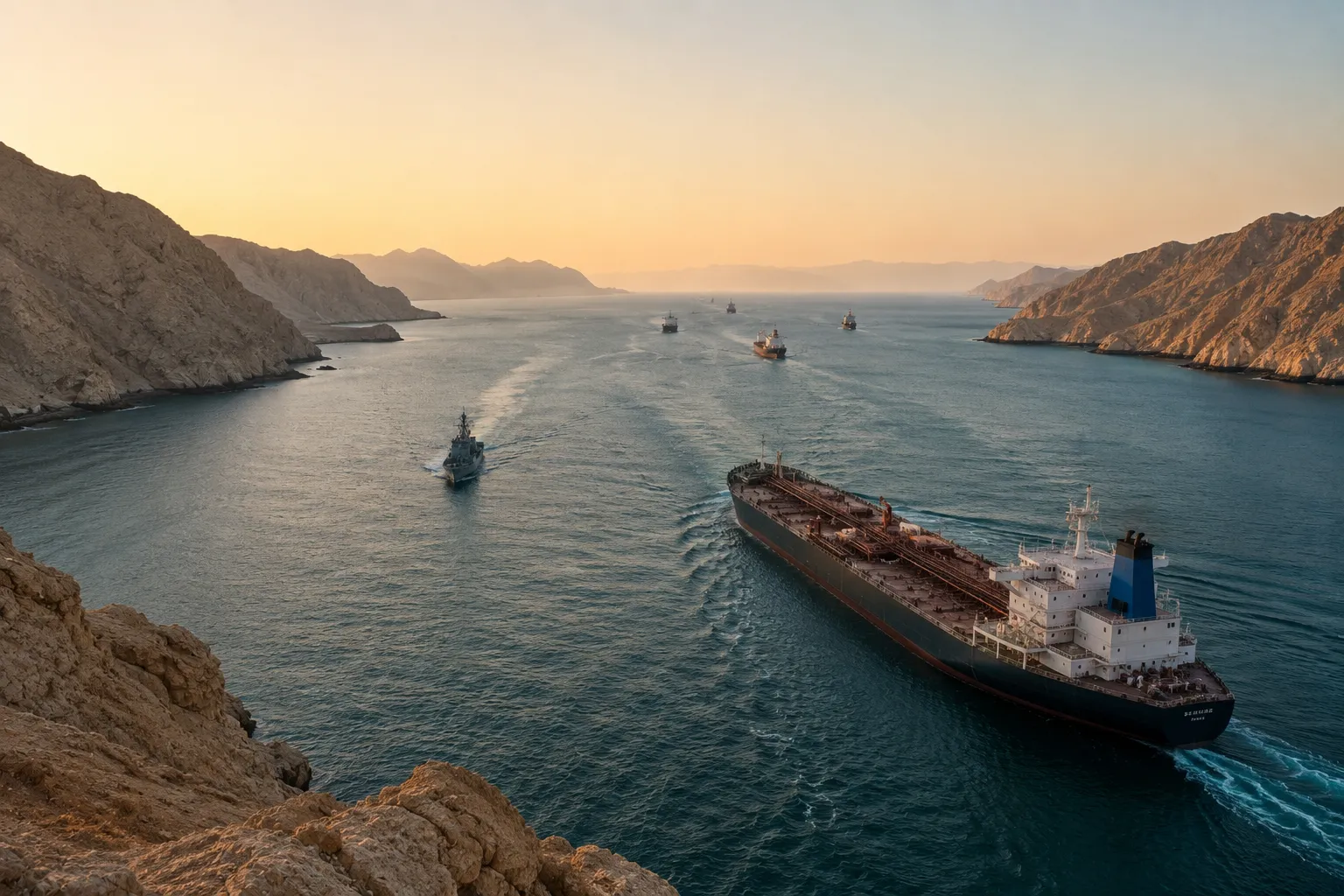
The possibility of a Strait of Hormuz reopening has become one of the biggest developments for global energy markets, which are offering temporary relief to traders. Moreover, it is raising questions about the future of Middle East Conflict . The Strait of Hormuz is a narrow waterway which is located between Iran and Oman and is one of the world’s most critical energy corridors, with nearly 20% of global oil and LNG supplies traditionally passing through it.
After months of military tensions, diplomatic efforts, and concerns over energy disruptions, expectations are growing that commercial shipping through the Strait of Hormuz could resume soon. U.S. President Donald Trump has said that the strategic waterway will open “very soon” and warned Iran of severe consequences if an agreement is not reached. His comments came after senior U.S. officials indicated that negotiations had made major progress.
How Global Markets Are Reacting Amid The Strait Of Hormuz Reopening?
Global commodity markets also reacted quickly to the latest developments. Brent crude prices declined sharply, falling below the $80 per barrel level, while West Texas Intermediate or WTI crude also moved lower as investors anticipated a possible improvement in oil supply conditions. The decline indicated that market hopes that reduced geopolitical tensions could prevent further disruptions in global energy flows.
Tehran and Oman’s efforts for strategic waterway
However, the situation remains uncertain. Iran has stated that it is not directly negotiating with the United States and has instead highlighted Oman’s role as a mediator. Tehran and Oman are reportedly working on mechanisms to ensure safer maritime movement through the waterway. At the same time, Washington has opposed any proposal that could offer Iran control over the Strait or allow it to impose transit charges.
The strategic significance of the region extends beyond oil shipments. Any disruption in this major shipping route can affect global energy security, crude oil prices, and inflation trends in economies. Higher energy costs can rise transportation expenses, consumer prices, and complicate central banks’ decisions on interest rate policies. Military risks also continue to affect market sentiment. Reports of ongoing tensions involving U.S. forces, Iran-backed groups, and shipping threats in the Red Sea have kept investors cautious. Recent incidents involving commercial vessels near Yemeni waters have underscored the continued vulnerability of international trade routes.
For oil traders and businesses worldwide, the major question is whether diplomatic progress will translate into lasting stability. While the potential reopening of the Strait has reduced immediate fears of supply shortages, analysts warn that any breakdown in negotiations could quickly reverse market gains and push crude oil prices higher.
How US dollar, energy demand and safe-haven investments respon?
In addition, the U.S. dollar, energy demand, and safe-haven investments are expected to respond to developments in the region. A renewed conflict could boost the US dollar, delay expectations of interest rate cuts, and rise global fuel costs. As diplomatic efforts continue, markets remain focused on every signal from Washington, Tehran, and regional mediators. The reopening of this crucial maritime route could mark a turning point for global energy markets but unresolved tensions mean the risk of another geopolitical shock remains.