
India Rice Trade Outlook 2026: Prices Surge on Geopolitical Tensions, Supply Risks & Rising Costs

India Rice Trade Outlook 2026 Prices Surge on Geopolitical Tensions, Supply Risks & Rising Costs
The India rice trade outlook 2026 is turning increasingly volatile yet opportunity-driven, as global geopolitical tensions, supply chain disruptions, and rising input costs reshape market dynamics. Industry experts indicate that both basmati and non-basmati rice prices are likely to maintain strong upward momentum in the coming months, driven by structural changes in global demand and supply conditions.
According to Kanishk Manchanda, Secretary of the Indian Rice Exporters Federation (IREF), rice prices have already surged nearly 40% in recent months and could see an additional rise of up to 40% if current conditions persist.
Global tensions fuel price rally in rice markets
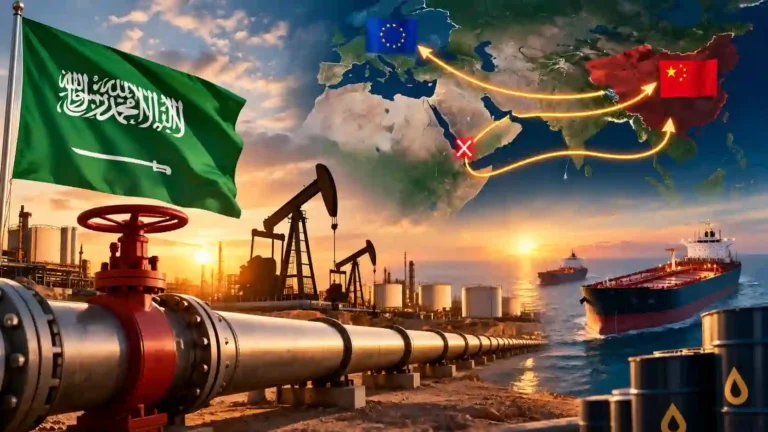
A key driver of the current market sentiment is escalating geopolitical instability involving Iran, Israel, and the United States. These tensions have disrupted global trade routes, particularly around the Strait of Hormuz, a critical passage for energy and commodities.
Such disruptions have created uncertainty in supply chains, especially in the Middle East, a major rice-importing region. As inventories in importing nations fall to low levels, analysts expect a sharp demand rebound once trade stabilizes.
This anticipated restocking cycle could trigger a strong demand surge, further pushing global rice prices higher.
Supply chain disruptions and inventory shortages
The global rice market is also experiencing significant supply chain bottlenecks. Delayed shipments and logistical interruptions have led to reduced stock availability in several key importing countries.
Experts warn that once normal trade resumes, demand could return all at once, creating pressure on already tight supplies. This imbalance is expected to support higher price levels across both basmati and non-basmati rice segments.
Additionally, competing exporters such as Thailand and Pakistan are also witnessing price increases, which strengthens India’s position in global markets.
Rising fertilizer costs and production pressure
Another major concern shaping the India rice trade outlook 2026 is the sharp rise in agricultural input costs. Fertilizer prices have reportedly doubled in recent procurement cycles, significantly increasing cultivation expenses for farmers.
This has led to:
- Higher production costs
- Rising minimum selling prices
- Pressure on farmer profit margins
These increased costs are expected to eventually reflect in both domestic and global rice prices, further supporting the bullish trend.
Weather risks add uncertainty to production
Weather conditions are also playing a crucial role in shaping market expectations. The possibility of an El Niño effect has raised concerns over below-normal monsoon rainfall in India.
Since rice is a water-intensive crop, weaker rainfall could result in:
- Reduced crop yields
- Lower overall production
- Increased price volatility
Experts highlight that both rainfall and fertilizer availability remain the most critical inputs for stable rice production.
India’s strong global position in rice exports
Despite challenges, India continues to maintain its leadership as one of the world’s largest rice producers and exporters. Even with rising competition from countries like Vietnam, Thailand, Pakistan, and the United States, India remains dominant in global supply chains.
However, experts suggest that the focus should shift from volume expansion to value addition, including:
- Packaged and branded rice
- Ready-to-cook rice products
- Premium speciality rice varieties
This shift could significantly enhance export earnings and farmer income.
Outlook: volatility with strong upward potential
While short-term uncertainty persists due to geopolitical tensions, input cost inflation, and weather risks, the medium-term outlook for the Indian rice trade outlook 2026 remains strongly bullish.
Key expectations include:
- Continued rise in rice prices globally
- Strong demand recovery after supply normalisation
- Higher export opportunities for India
- Increased focus on value-added rice products
India’s rice sector stands at a crucial turning point, where strategic adaptation and market diversification will determine long-term gains.
As global conditions evolve, the India rice trade outlook 2026 will remain shaped by a mix of geopolitical risks, climate uncertainty, and rising production costs—while still offering significant growth opportunities for exporters and farmers alike.