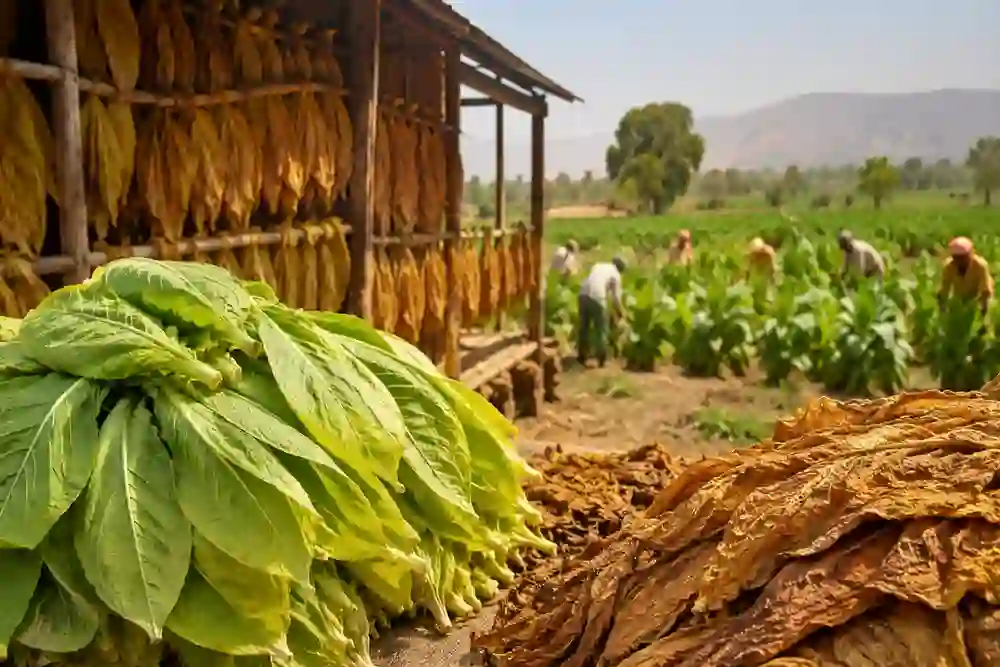
The Indian Tobacco Board has decreased the authorised tobacco crop size by 43% for the upcoming season. This move has prompted thousands of Tobacco growers to consider alternative farming options. Notably, the decision comes amid weakening global demand, changing exports, and concerns over excess supply, all of which have influenced the profitability of tobacco cultivation.
The sharp decrease is expected to significantly affect Tobacco production, especially in Andhra Pradesh, where flue-cured Virginia (FCV) tobacco is widely cultivated. Moreover, several Tobacco farmers have expressed concerns which is related to reducing cultivation opportunities and are appealing to the authorities to introduce viable crop diversification plans. According to experts, encouraging crops including pulses, oilseeds, maize, and horticultural produce could help farmers to reduce dependency on tobacco, along with ensuring sustainable incomes.
In addition, another major concern is the uncertainty surrounding Tobacco prices. Farmers fear that lower production limits may not necessarily translate into better market prices if export demand remains weak. Additionally, Industry stakeholders are calling for stronger government support, enhanced export strategies, and better market access to protect farmer incomes during the transition. The Indian Tobacco Board has stated that the crop reduction aims to balance between production and market demand, along with preventing oversupply.
According to agricultural experts, crop diversification, improved irrigation, and access to financial assistance will be crucial for helping growers adapt to fluctuating market conditions. As global consumption patterns continue to evolve, policymakers are expected to focus on long-term sustainability along with supporting rural livelihoods. The latest move highlights the need for balanced agricultural policies that protect both farmer welfare and the future of India’s tobacco sector.