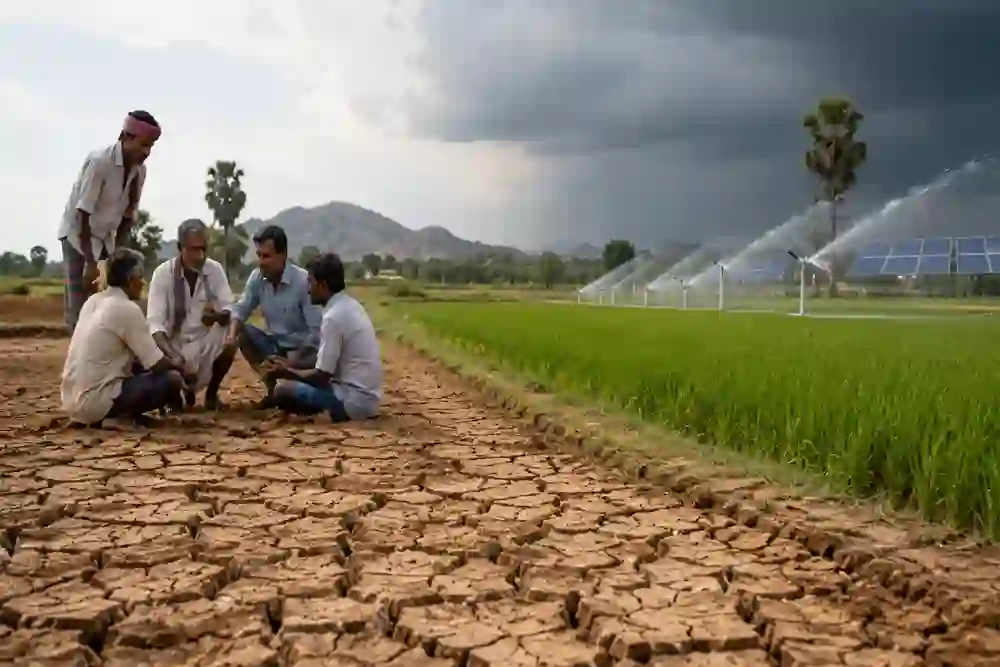
According to the minister, the contingency plan emphasizing on minimising crop losses through better water management, efficient irrigation practices, and the promotion of drought-tolerant crop varieties. Moreover, officials have been asked to closely monitor rainfall patterns and provide regular advisories to farmers so they can make informed decisions in response to fluctuating weather conditions.
In addition, Kinjarapu Atchannaidu emphasised that coordinated action at the district level is essential to decrease the impact of the monsoon shortfall. Agriculture departments have been directed to ensure the availability of quality seeds, fertilisers, and other farm inputs, while encouraging soil moisture conservation techniques. The government is also working with local authorities to boost irrigation infrastructure and enhance the efficient use of available water resources.
According to experts, recurring rainfall shortage and unpredictable weather patterns highlight the need for climate-resilient farming practices. Effective water management and early implementation of a contingency plan can help in reducing risks to agricultural production, improving crop survival, and protecting farmers’ incomes.
The Andhra Pradesh government’s proactive approach reflects its commitment to boosting agricultural resilience amid climate uncertainties. By responding quickly to rainfall deficiency and preparing for a possible monsoon shortfall, the state aims to protect food production, stabilize rural livelihoods, and ensure sustainable agricultural growth despite challenging weather conditions.