
Wheat Production Stable in India Despite Weather Challenges
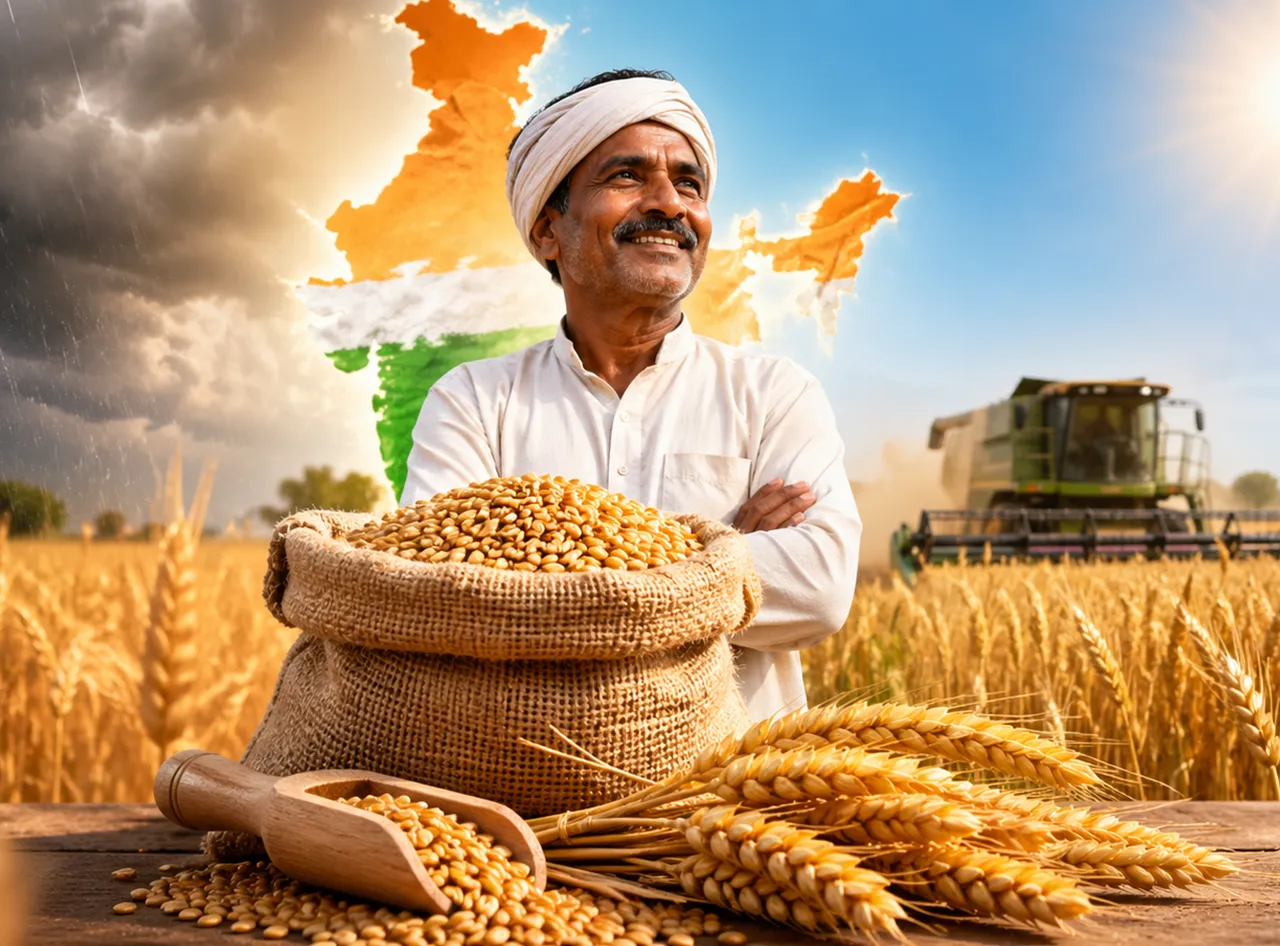
The outlook for wheat production in India remains steady for the 2025–26 season, even as the crop faces challenges from unseasonal rains and hailstorms in several regions. According to the Ministry of agriculture, the season has been described as “mixed but resilient,” with overall output expected to stay stable despite localized damage.
Officials highlighted that India wheat output has been supported by an increase in cultivation area, improved farming techniques, and the adoption of high-yield seed varieties. These factors have helped cushion the impact of adverse weather conditions, ensuring that national supply levels remain largely unaffected.
While some early estimates suggest a possible dip compared to initial projections, authorities maintain that wheat production in India will remain sufficient to meet domestic demand. This resilience reflects the adaptability of farmers and the effectiveness of ongoing agricultural support programs.
Globally, discussions around wheat production in the world continue to focus on climate-related risks and supply chain stability. India’s relatively stable output positions it as a key player in maintaining global food security amid fluctuating international harvests.
Senior officials, including food secretary Sanjeev Chopra, have emphasized that strategic buffer stocks and procurement mechanisms will further strengthen food grain availability in the country. The government continues to monitor crop conditions closely to ensure price stability and adequate supply.
Experts believe that India’s ability to sustain wheat output despite climatic disruptions highlights the importance of modern agronomic practices and policy support. This resilience not only benefits domestic consumers but also reinforces India’s role in global grain markets.