

Model Agriculture Villages in Uttarakhand to Boost Rural Economy and Stop Migration
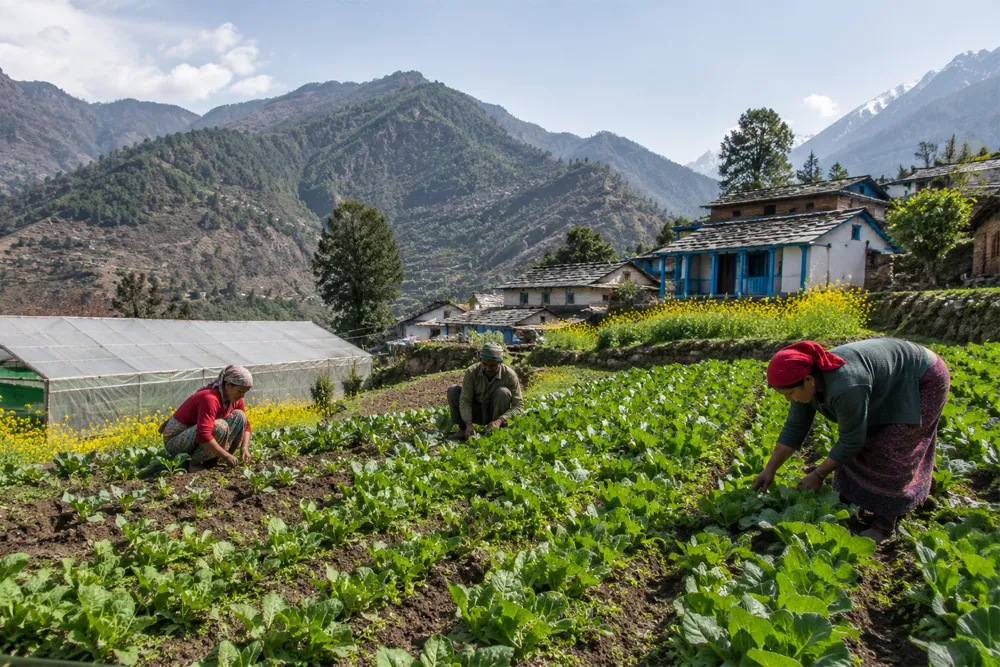
Model Agriculture Villages in Uttarakhand to Boost Rural Economy and Stop Migration
Uttarakhand launches model agriculture villages to boost farming, strengthen rural income, and reduce migration with modern horticulture and support.
Uttarakhand Chief Minister Pushkar Singh Dhami has announced a major rural transformation plan focused on developing Model agriculture and horticulture villages across the state. The initiative aims to strengthen rural livelihoods, improve farming productivity, and reduce large-scale migration from hill regions.
Under this programme, select villages will be developed as model farming villages equipped with modern agricultural practices, advanced irrigation systems, and improved infrastructure. The focus will be on integrating sustainable agriculture, scientific farming techniques, and high-value crop cultivation to increase farmer income.
The state government will also promote horticulture expansion in Uttarakhand, encouraging farmers to adopt fruit cultivation such as apples, kiwis, citrus fruits, and medicinal plants suited to hill terrain. Officials believe this shift towards cash crop farming and organic agriculture models will create stronger and more stable income sources for rural households.
The initiative includes training programmes for farmers, access to better seeds and technology, cold storage facilities, and improved supply chain connectivity. These efforts are expected to reduce post-harvest losses and help farmers reach larger markets.
Experts highlight that rural development through agriculture modernization can play a key role in stopping migration from remote villages, which has been a long-standing challenge in Uttarakhand. By making agriculture more profitable and technology-driven, the government aims to turn villages into self-sustaining economic hubs.
The “Model agriculture villages” initiative is also aligned with India’s broader goal of strengthening agri-based rural economy growth and promoting climate-resilient farming practices.
If successfully implemented, the programme could serve as a blueprint for other Himalayan states facing similar migration and agricultural challenges.