

Kutch Diesel Crisis: Industries Warn of Supply Shock Impact
Kutch Diesel Crisis Industries Warn of Supply Shock Impact
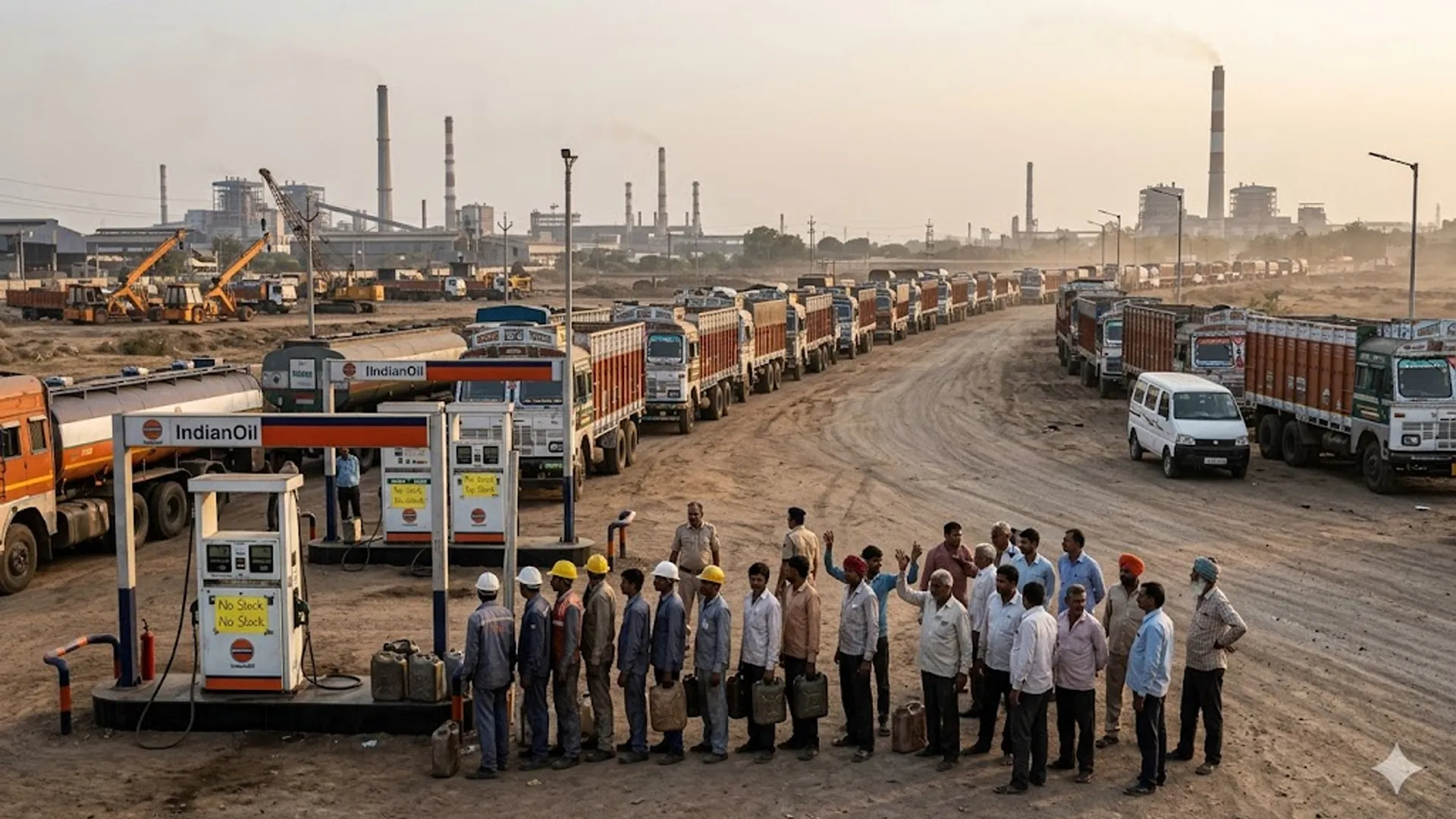
The Kutch diesel crisis has emerged as a growing concern for industries, transport operators, and exporters in Gujarat’s key industrial belt. The situation is increasingly being discussed under broader themes such as diesel shortage India, diesel prices Gujarat, and diesel supplies India, as stakeholders warn of operational stress across logistics and production networks.
Kutch plays a strategic role in India’s trade ecosystem, with ports, logistics hubs, and industrial clusters operating continuously. Any disruption in fuel availability directly affects freight movement, container transport, and export schedules. As a result, the ongoing transport fuel crisis is being closely watched by exporters and manufacturers.
Industry participants have reported rising operational pressure due to fluctuating fuel costs and supply gaps. The situation has also been linked to concerns around the diesel allocation issue, where transporters claim inconsistent distribution patterns in certain industrial pockets are affecting fleet planning and delivery schedules.
At the core of the challenge are rising diesel prices, which have significantly increased logistics expenses for transporters and industrial users. In some cases, businesses report paying higher industrial rates to ensure uninterrupted operations. This has added cost pressure across the supply chain, especially for small and mid-sized exporters dependent on road transport.
There are also growing concerns about localized diesel shortage, with reports of uneven availability at select fuel outlets. While authorities have not confirmed a widespread supply disruption, market participants argue that irregular access has created uncertainty for daily operations in key industrial zones.
The issue has further highlighted weaknesses in diesel supplies management for commercial users. Transport operators claim that supply inconsistencies are forcing them to reduce fleet utilization, delay shipments, and reroute logistics plans to avoid operational risks. This is particularly critical for export-heavy regions like Kutch.
Export stakeholders say the situation could impact export logistics India, as Kutch serves as a major gateway for chemicals, textiles, engineering goods, agricultural commodities, and bulk cargo. Even minor disruptions in fuel availability can delay container movement to ports, affecting shipment timelines and increasing costs.
Industry associations in Gujarat industry news circles have raised concerns over the ripple effects of fuel instability. They argue that export reliability depends heavily on uninterrupted fuel access, and any uncertainty could weaken India’s competitiveness in global markets.
Experts also point out that instability in industrial fuel supply can raise production costs, reduce efficiency, and impact pricing across supply chains. In export-driven regions, such disruptions may lead to missed deadlines, penalties from overseas buyers, and loss of long-term contracts.
The ongoing debate around diesel allocation has also intensified discussions about better coordination between fuel distributors, local administration, and industrial users. Businesses are urging authorities to strengthen monitoring systems and ensure transparent allocation mechanisms to avoid future disruptions.
As part of broader India trade update discussions, analysts note that fuel availability remains a critical backbone of industrial competitiveness. Any imbalance not only impacts transport but also weakens overall export performance and supply chain stability.
While the situation continues to evolve, stakeholders are calling for immediate corrective measures to stabilize supply, improve distribution efficiency, and restore confidence among transporters and exporters operating in the region.