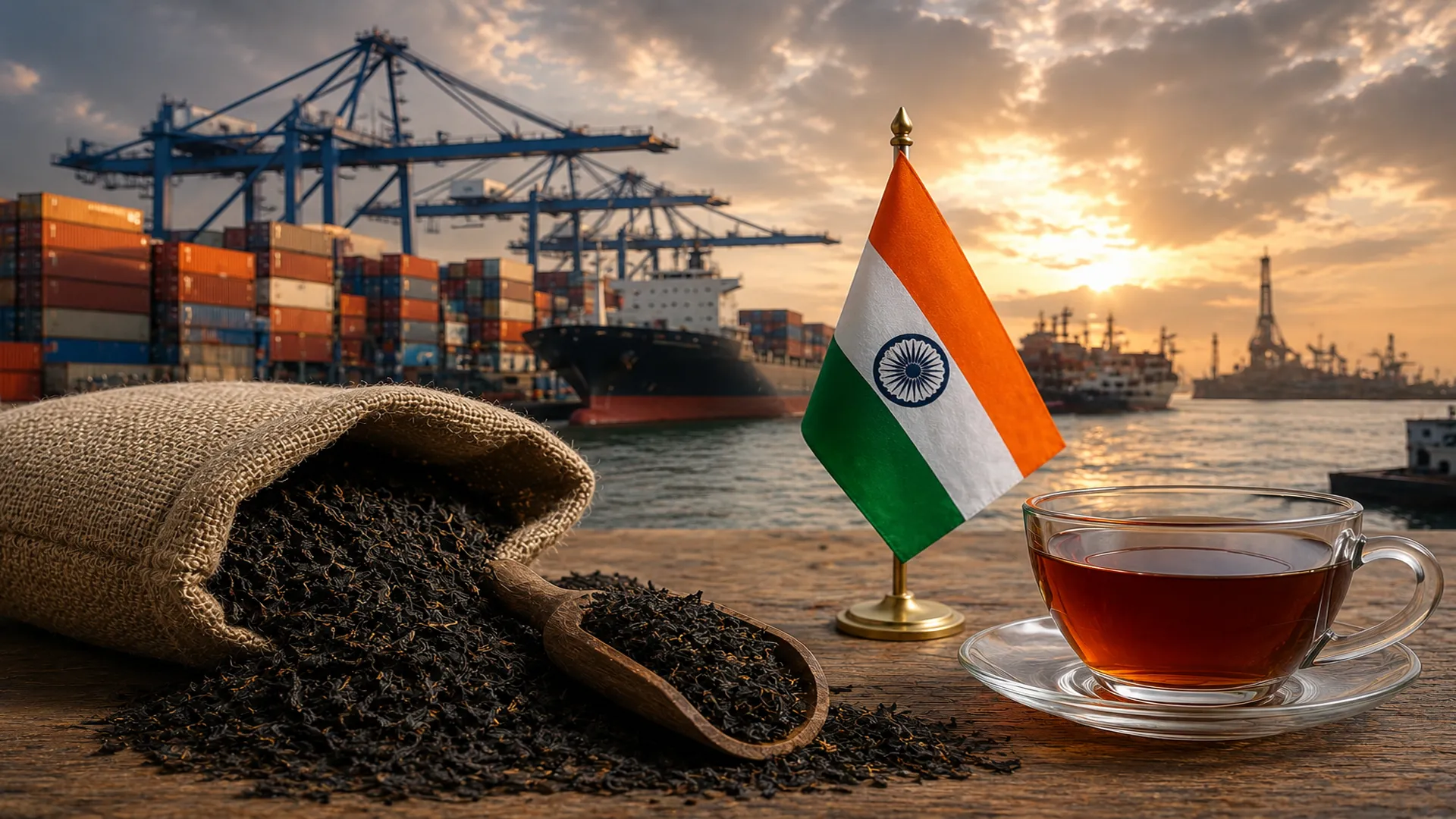
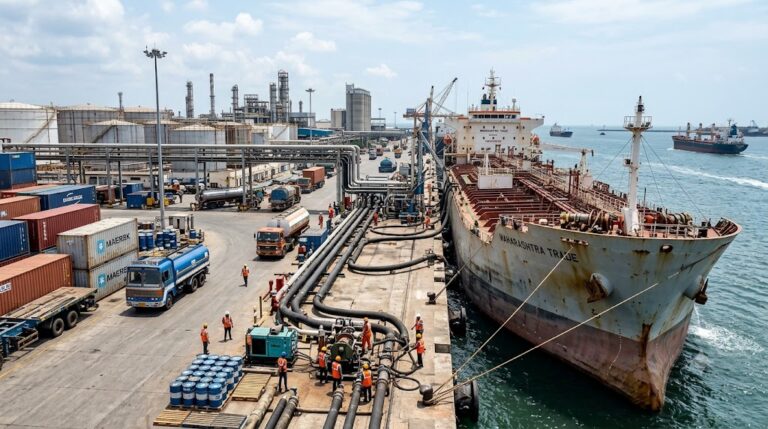
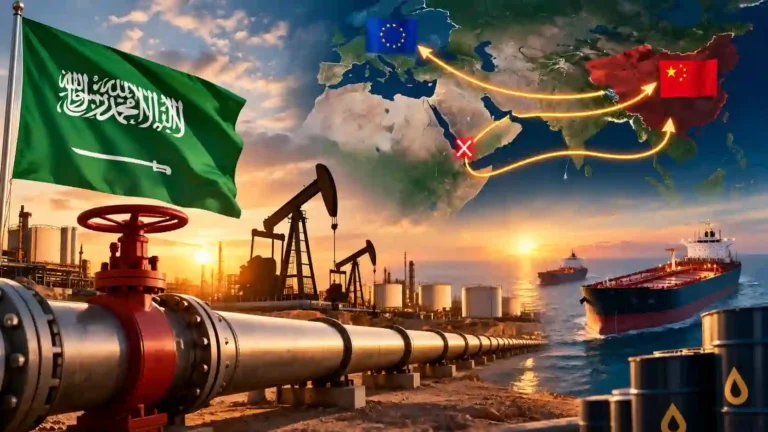
India’s tea exports have witnessed a sharp decline as ongoing West Asia Crisis continue to disrupt key global shipping routes. Exporters report significant delays in shipments and rising freight costs, particularly affecting trade with the Middle East—one of the largest markets for Indian tea.
The disruption in maritime logistics has created uncertainty in export schedules, forcing traders to absorb higher transportation expenses. This has put additional pressure on already tight margins in the tea industry, which relies heavily on stable international supply chains.
Industry experts note that fluctuations in tea prices have also been observed as export volumes fall and global demand patterns shift. While domestic consumption remains steady, reduced overseas shipments are impacting revenue streams for producers and exporters alike.
Tea-growing regions across India, including Assam, West Bengal, Tamil Nadu, and Kerala—among the major tea-producing states—are feeling the ripple effects. Farmers and estate owners are concerned that lower export demand may eventually influence procurement rates for tea leaves, especially if the situation persists.
Although tea production has remained largely stable, supply chain disruptions are preventing optimal market realisation. Exporters are urging for alternative shipping routes and government support to stabilise trade flows and reduce logistics dependency on conflict-affected corridors.
Analysts suggest that continued instability in West Asia could further reshape global tea trade patterns, forcing India to diversify export destinations and strengthen regional partnerships.
Despite these challenges, the Indian tea industry remains resilient, with stakeholders focusing on improving efficiency and exploring new markets to offset losses in traditional export regions.