

Why Are Grain Exports from Russia Rerouting Amid Black Sea Disruptions?
Why Are Grain Exports from Russia Rerouting Amid Black Sea Disruptions?
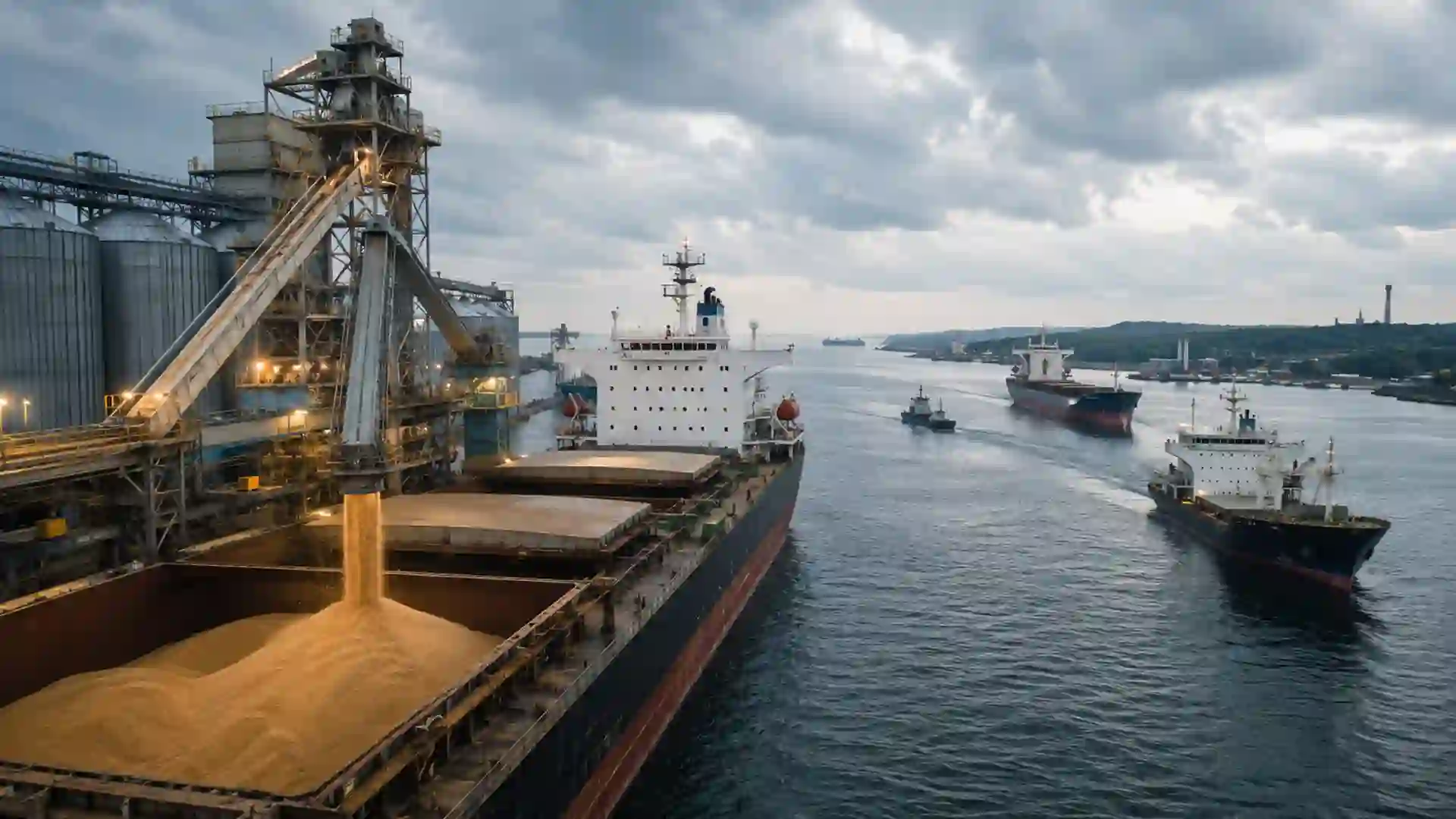
Russia’s grain exports are undergoing a major logistical shift as exporters turn to Baltic Sea routes following disruptions in the Black Sea and Sea of Azov. Ukrainian drone attacks on grain terminals and vessels have made traditional shipping routes more challenging, prompting traders to seek alternative ports.
Notably, Russia exported 46.3 million tonnes of grain through Black Sea and Azov Sea ports during the July 2025-June 2026 season which accounts for nearly 90% of its total seaborne grain exports. By comparison, Russian Baltic ports handled only about 1 million tonnes during the same period.
Baltic Sea Routes Emerge as Alternative for Russian Grain Exports
Demand for alternative routes is now rising sharply. Requests for shipments by rail to Russian Baltic ports reached nearly 5 million tonnes by August 18, highlighting the growing pressure on the country’s logistics network. This shift could become significant for grain exports if disruptions in traditional routes continue.
Undoubtedly, Russia remains the world’s largest wheat exporter, making its ability to maintain overseas supplies important for global grain demand and food markets. Any prolonged disruption could also influence grain prices, particularly if alternative routes cannot handle displaced cargo efficiently.
However, Infrastructure remains a major challenge. Russian Baltic ports can handle up to 7 million tonnes of grain annually, while analysts estimate that non-Black Sea ports and land routes could accommodate only about half of the volumes normally shipped through the Black and Azov seas. For Russian grain exporters, the upcoming months will depend on whether Baltic infrastructure can expand quickly enough to keep grain exports moving and limit disruption to global grain trade.