India’s ethanol blending drive is gaining momentum, but it is also triggering serious debates around sustainability. While the government aims to meet its ambitious ethanol blending target, experts warn that the policy could have unintended consequences for agriculture and natural resources.
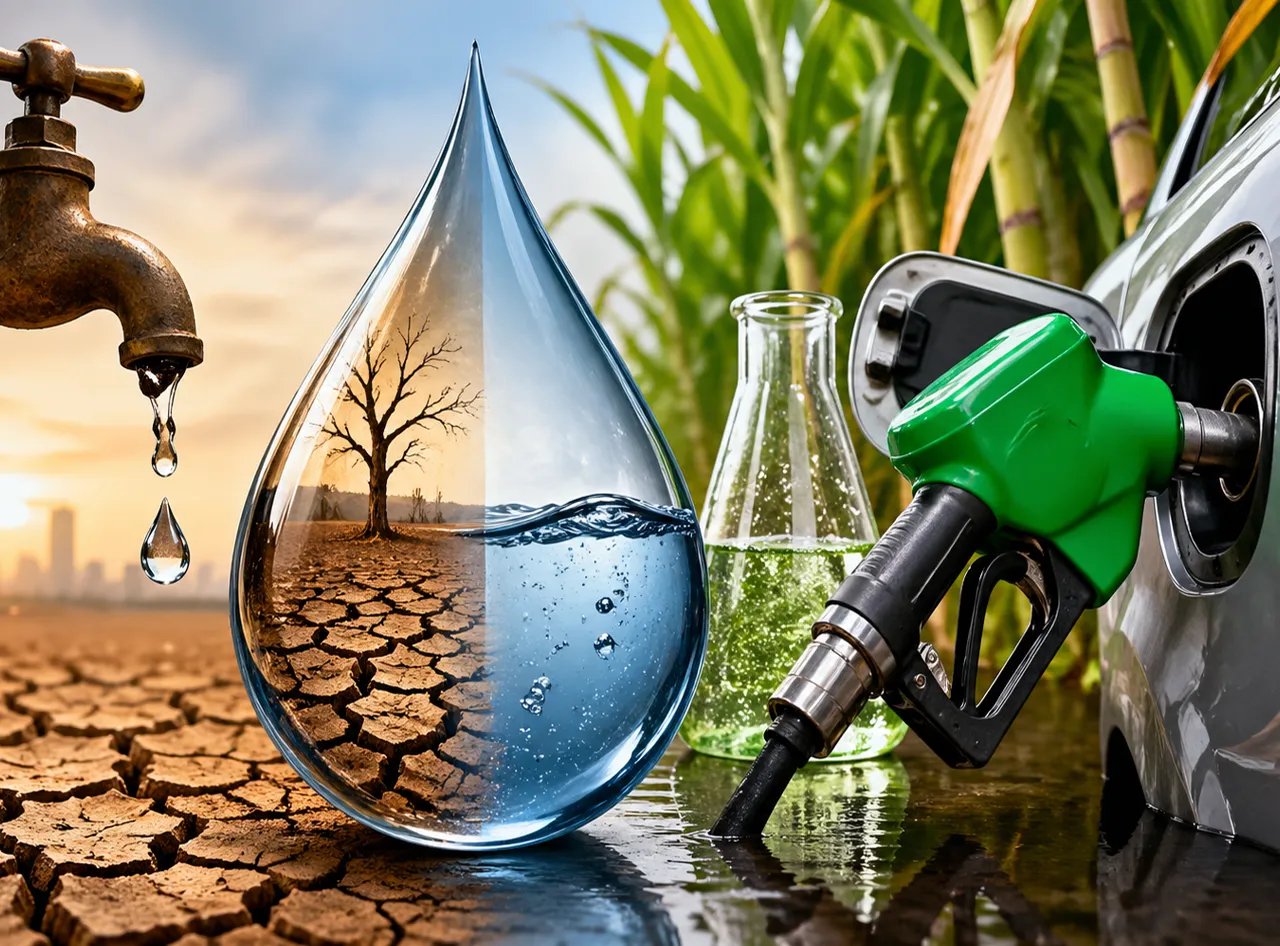
The rapid expansion of ethanol blending in India has increased the demand for feedstocks like rice and sugarcane—both highly water-intensive crops. This has raised alarms about accelerating groundwater depletion, especially in already water-stressed regions such as Punjab and Haryana.
Another growing concern is its potential impact on food security. Diverting food grains toward fuel production could tighten domestic supply and push up prices, particularly during years of poor harvests. Critics argue that prioritising fuel over food may create long-term risks for a country with a large population dependent on stable food availability.
Supporters, however, highlight that ethanol blending helps reduce crude oil imports, cut emissions, and support farmers through additional income streams. Yet, balancing these benefits with environmental sustainability remains a key challenge.
As India moves closer to achieving its ethanol blending target, policymakers face increasing pressure to adopt a more balanced approach. This includes promoting alternative feedstocks, improving water-use efficiency, and safeguarding food security.
The debate around ethanol blending in India ultimately reflects a broader dilemma—how to align energy ambitions with ecological limits and sustainable agricultural practices.