
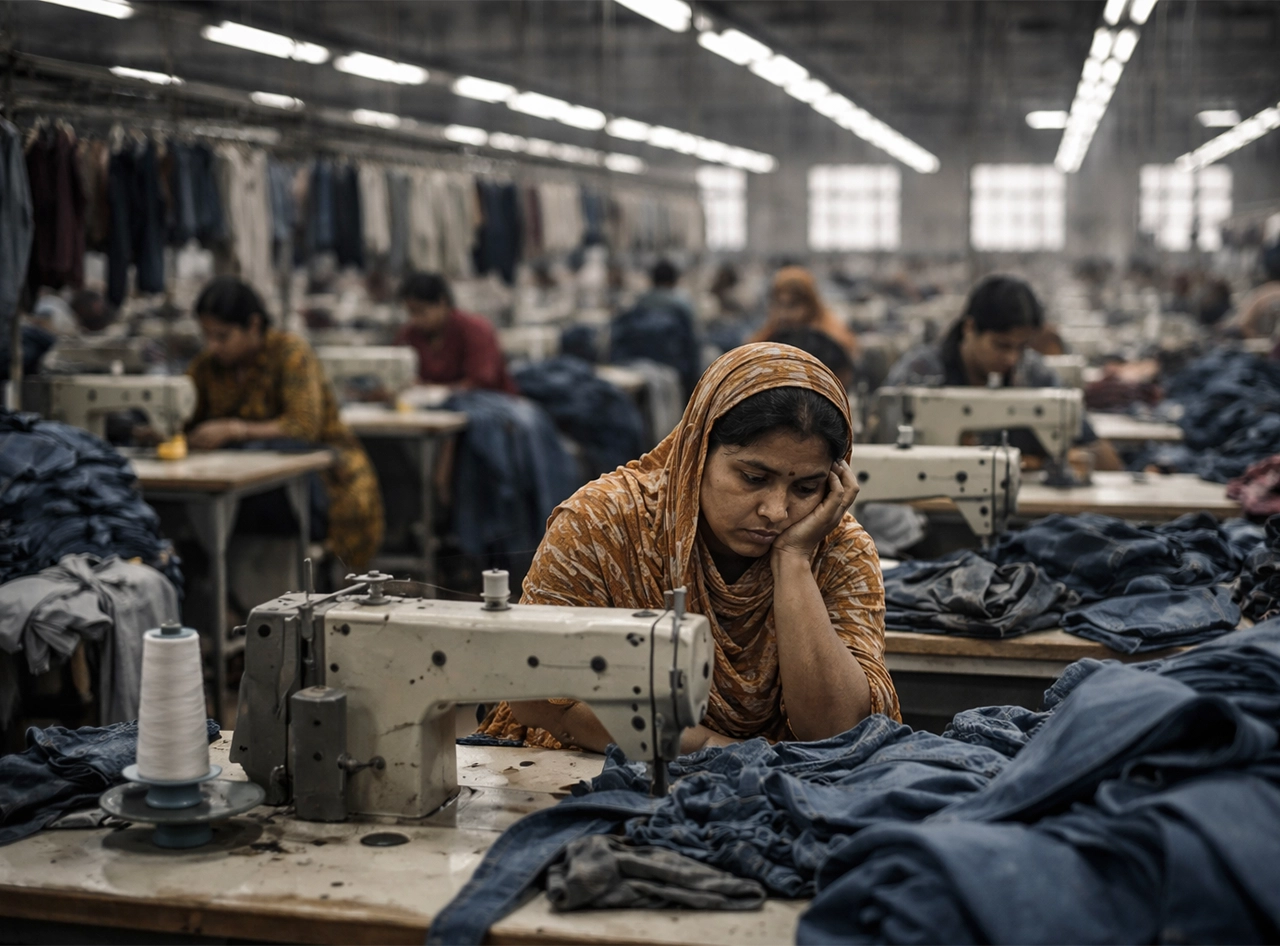
Asia’s textile industry faces major headwinds as global demand slows
The Asia textile industry is confronting significant challenges amid a slowdown in global demand, rising production costs, and changing trade dynamics. Industry experts are urging leaders to rethink their strategy, emphasizing innovation, sustainability, and supply chain resilience to maintain a competitive edge.
Accounting for a substantial portion of global textile production, the sector must respond to evolving consumer trends and geopolitical pressures. Companies across Asia are now exploring eco-friendly fabrics, digital manufacturing solutions, and diversified sourcing strategies to minimize risks and improve efficiency.
Industry analysts note that rising labor and raw material costs are putting additional pressure on profit margins, while trade uncertainties are disrupting traditional export markets. To overcome these challenges, textile firms are advised to invest in research and development, adopt automation technologies, and explore new international markets to sustain growth.
Sustainability is also emerging as a critical driver in the Asia textile industry, with consumers increasingly favouring environmentally responsible brands. Companies that integrate green practices, such as reduced water consumption and low-emission production processes, are likely to gain a strategic advantage.
As the global textile ecosystem evolves, the ability of the Asia textile industry to adapt to these market shifts will determine its long-term competitiveness and resilience. Stakeholders must balance innovation, efficiency, and sustainability to ensure the sector continues to thrive in the rapidly changing global landscape.