
Fishmeal Exports Surge in India, Supply Concerns Rise
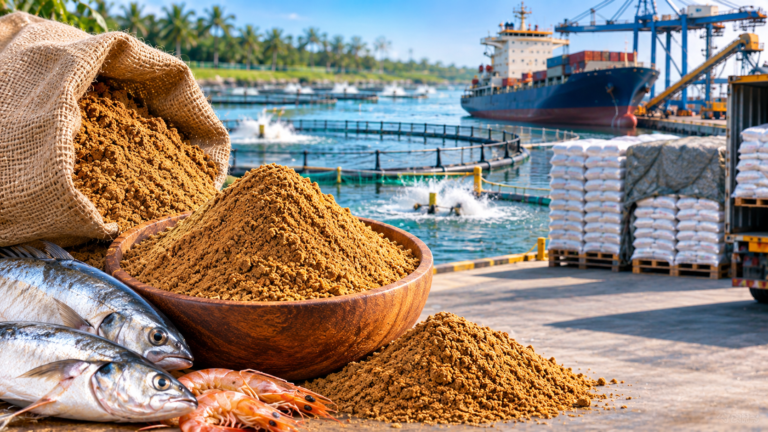
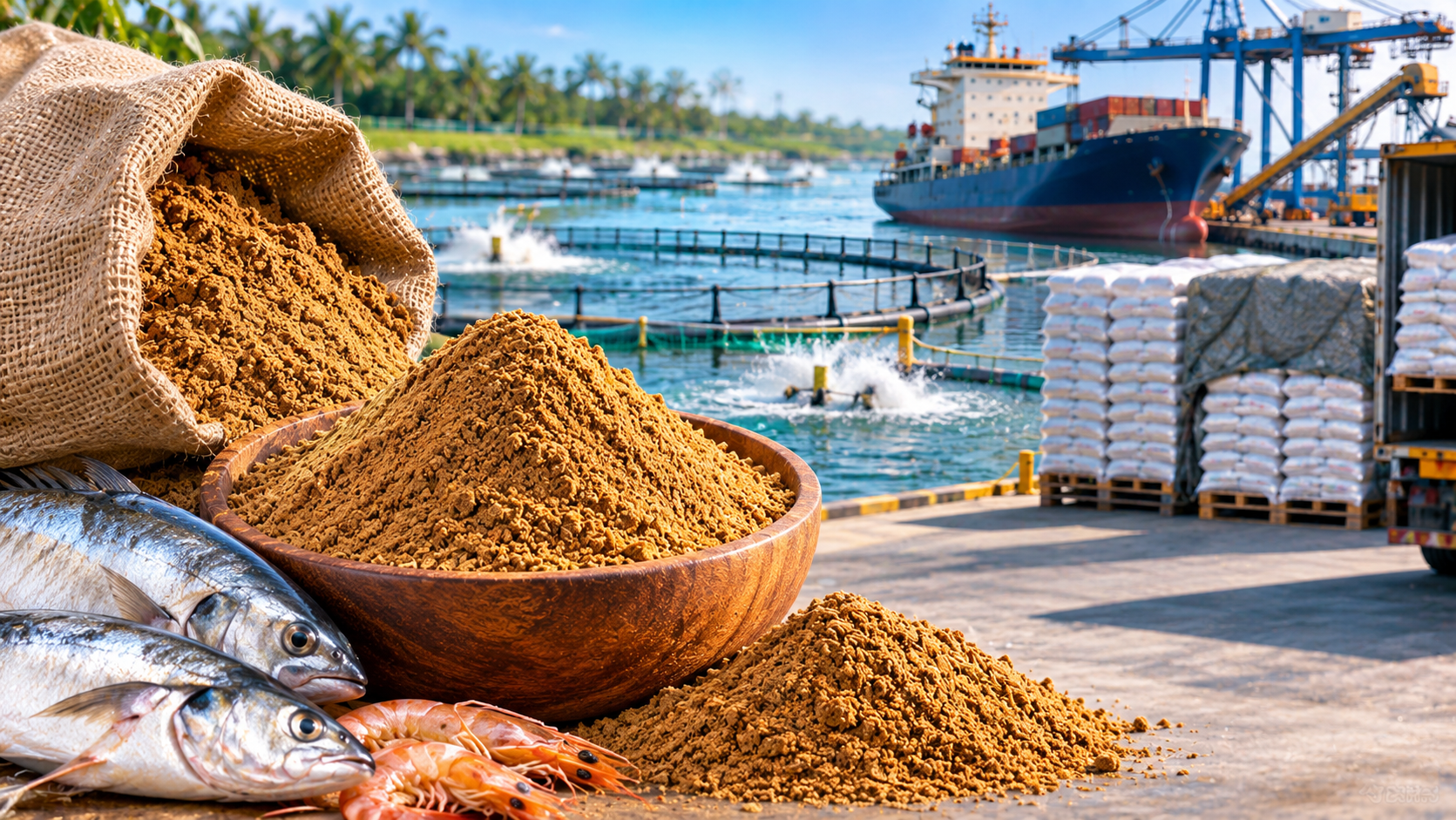
India’s fish meal exports are raising concerns related to raw material availability for domestic aquaculture. As the industry representatives are appealing to the government to introduce temporary export restrictions. The aim of the restrictions is to simply protect local fish and shrimp farming operations.
The Seafood Exporters Association of India (SEAI) has called for limiting on fish meal exports which proposes that export quotas be allocated to companies based on their actual export performance. Moreover, the association believes that rising overseas shipments could create supply shortages in the domestic market and increase feed costs for aquaculture farmers.
The industry data has shown that India’s fish meal production reached approximately 550,000 tonnes annually. Notably, exports of fish meal increased from 224,289 tonnes in FY2024-25. They were valued at $269.4 million, to 392,538 tonnes worth $507.73 million in FY2025-26. Shipments between April and August 2026 also reached 181,594 tonnes.
Particularly, the surge in overseas demand is related to reduced global availability, following supply constraints in Peru. Significantly, Peru is a major global fish meal supplier. Higher international prices have encouraged Indian manufacturers to increase shipments to export markets. However, the expanding fish meal industry is creating concerns about competition between overseas buyers and domestic feed manufacturers. Limited availability could raise production costs for fish and shrimp farmers, affecting India’s seafood export competitiveness.
In addition, another major concern is the growing use of juvenile fish as raw material for fish meal production. Traditionally, manufacturers relied on by catch, low-value fish and processing waste. Increased harvesting of immature fish could threaten marine biodiversity and future fish stocks.
Not only this, but SEAI has also warned that unsustainable fishing practices could affect India’s access to major seafood markets, including the United States, European Union, Japan and the United Kingdom. Besides this, the proposed restrictions on fish meal exports from India aim to balance international trade opportunities and marine resource sustainability.