
US-Iran Strait of Hormuz Deal: Oil Markets Watch a Critical Turning Point
A single agreement could change the direction of global energy markets within hours. And now, the world is closely watching the latest developments between the United States and Iran as a deal to reopen the Strait of Hormuz gains attention. US President Donald Trump has suggested that an agreement could be announced soon, which has raised hopes that one of the biggest geopolitical risks to oil markets may ease. Moreover, Donald Trump has signalled that he wants a diplomatic solution instead of Middle East conflict escalation by saying: “I don’t want to kill people.” The statement comes as global markets remain highly sensitive to any developments regarding the Middle East and global energy security.
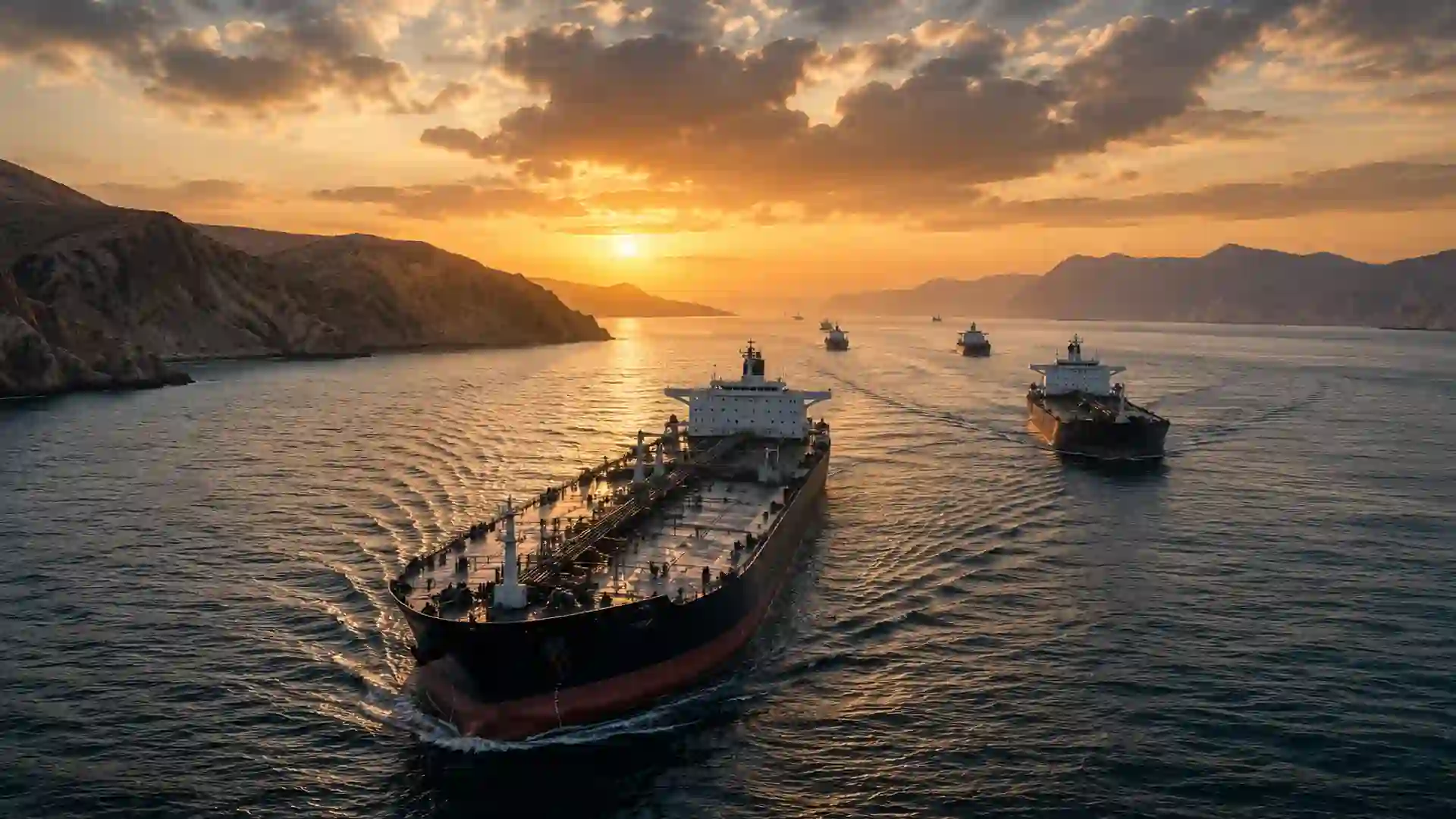
The Strait of Hormuz reopening has become a major market focus since the narrow waterway is one of the most important routes for international oil transportation. Around 20% of the world’s oil supply passes through this region, meaning any disruption can quickly affect fuel prices, shipping costs, and inflation worldwide.
Oil Prices React as Investors Hope for Stability
Notably, crude oil markets have already reacted to signs of possible progress. Brent crude prices have moved lower as traders predicted that a diplomatic breakthrough could restore normal shipping activity and decrease supply concerns.
Significantly, West Texas Intermediate (WTI) crude has given signs of easing pressure as investors maintain geopolitical risks with expectations of enhanced energy flows. The potential agreement has developed optimism in the financial markets, with traders watching closely for signals that could affect oil price trends, global energy supply, and commodity market stability.
Why the Strait of Hormuz Matters to the Global Economy?
Significantly, the Strait of Hormuz is not just a regional shipping route, but it is a major artery for the global economy. Any extended disruption can create uncertainty for oil-importing nations, rise transportation costs, and put additional pressure on consumers.
Moreover, countries in the Asia, Europe, and other regions depend heavily on oil shipments passing through this route. A stable reopening could help reduce fears of a wider energy crisis, while failure to reach an agreement could renew concerns about supply shortages.
Countries Still Face Major Challenges Amid US-Iran War
Despite growing optimism, the potential deal is far from guaranteed.
Even Reports suggest that disagreements remain between Washington and Tehran over the future management of ship movements through the Strait. In addition, Iran has reportedly pushed for a significant role in controlling maritime activity and has raised the possibility of transit-related payments. However, the United States continues to support unrestricted navigation without additional fees or limitations. These differences could determine whether negotiations lead to a lasting solution or another temporary pause in tensions. Not only this, but the diplomatic efforts are unfolding amid reports of disagreements within the US administration over military preparedness. Besides this, questions about missile stockpiles and defence capabilities have added further attention to the situation. Whereas officials have dismissed these reports, investors remain cautious as they evaluate whether diplomacy will succeed or whether tensions could increase again.
What Could Decide Oil’s Future?
The upcoming days could prove vital for global markets. It is quite noteworthy that a successful US-Iran agreement could lower geopolitical risks, support stable crude supplies, and provide relief from energy price pressures. But if negotiations collapse, oil markets could experience renewed volatility, affecting fuel prices, inflation expectations, and economic growth. For now, traders and governments are waiting for the next announcement. The future of one of the world’s most important oil routes and potentially the direction of global energy markets may depend on what happens next.