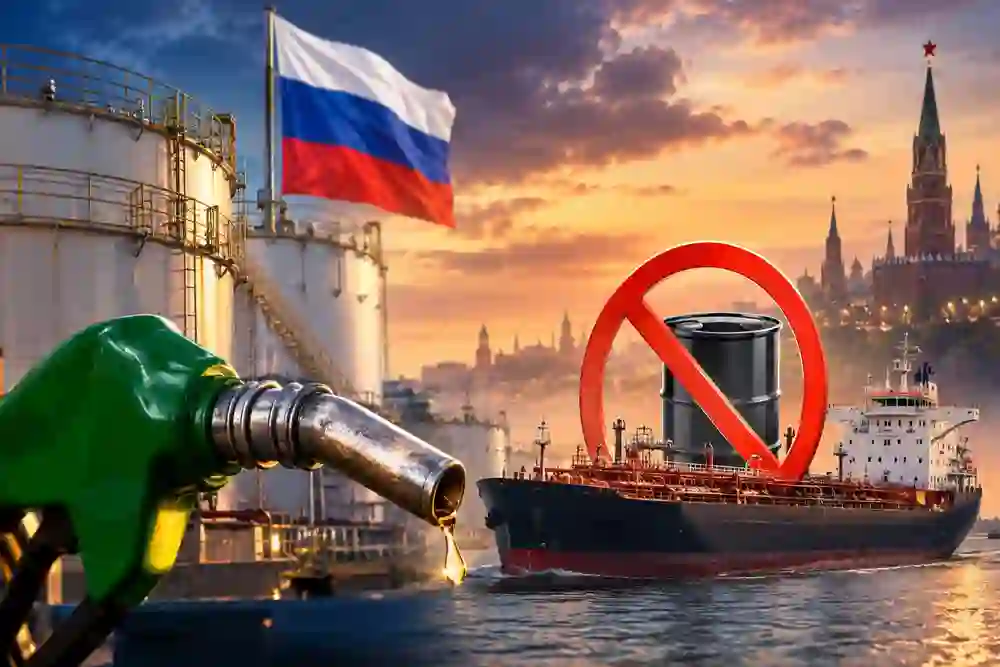
Russia has recently announced that it will extend its ban on gasoline exports until the end of 2026. It aims to ensure stable domestic fuel supplies and prevent shortages in the local market. This move is part of the government’s broader strategy to maintain fuel availability and keep domestic prices under control amid changing global energy markets.
The extension of the gasoline exports restriction is expected to affect international fuel trade, particularly in regions that depend on Russian petroleum products. whereas the measure primarily targets gasoline shipments, market participants are also closely monitoring diesel exports, as any changes in Russia’s fuel policies could affect overall supply and pricing dynamics.
Russia remains one of the world’s leading energy producers, and decisions regarding gasoline exports from Russia often have ripple effects in global commodity markets. According to Analysts, continued restrictions may encourage importing countries to diversify fuel sources and boost energy security strategies.
Meanwhile, nations dependent on gasoline imports could experience tighter supplies and higher procurement costs if alternative suppliers fail to meet demand. Although the current policy emphasises gasoline. Notably, traders are also watching developments in diesel fuel exports, which play a vital role in transportation, agriculture, and industrial sectors worldwide.\
Moreover, the extension highlights Russia’s priority of protecting its domestic energy market along with balancing international demand. As geopolitical uncertainties and energy security concerns continue, global fuel markets are expected to remain sensitive to any further policy changes from one of the world’s largest oil-producing nations.