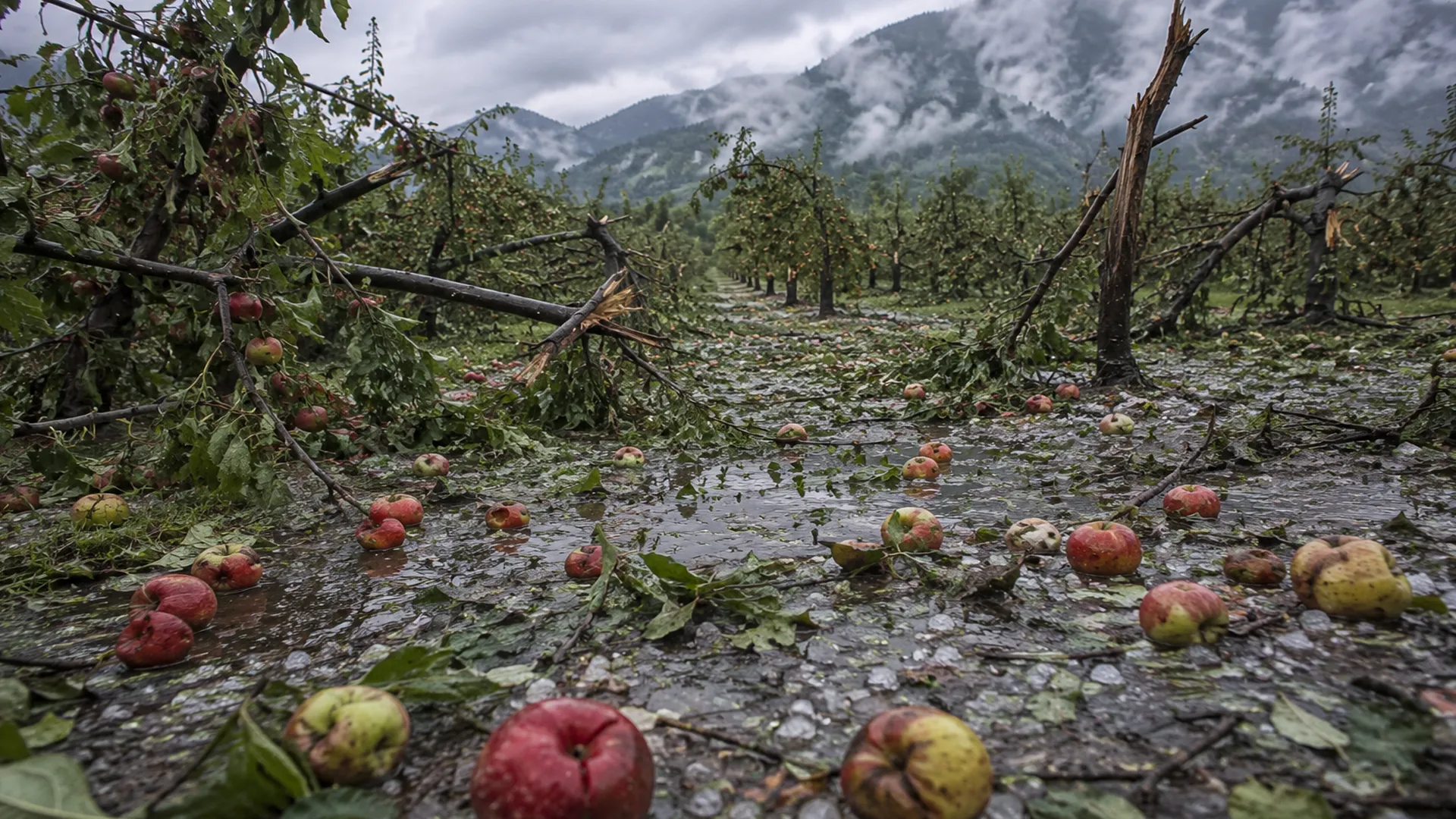
Kashmir’s apple sector is witnessing growing uncertainty due to the changing weather patterns, which disrupt orchard activities and threaten future yields. Unseasonal temperature variations, irregular rainfall and extreme weather events are affecting flowering cycles, fruit quality and overall productivity. Apple farmers who depend heavily on stable weather conditions for successful cultivation are severely affected by climate-related disruptions. These disruptions can influence supply levels, which may further target apple prices in domestic markets. Farmers and industry stakeholders are now seeking stronger adaptation measures, such as enhanced orchard management, advanced farming techniques and better policy support.
Notably, Kashmir is among the key major apple-producing states and regions contributing significantly to the country’s fruit supply. The region’s unique climate has always supported high-quality apple cultivation, but unpredictable weather is creating new challenges for Apple growers.
Reduced flowering, lower fruit quality and production uncertainties are raising concerns about the future of Kashmir’s apple industry. According to experts, climate-resilient practices, efficient irrigation systems, weather monitoring and government initiatives will play a vital role in protecting the livelihoods of farmers.
As the demand for apples are growing, sustaining stable apple production will be essential for both growers and consumers and to further strengthen the apple sector Boosting climate preparedness could help in protecting the long-term sustainability of the sector along with ensuring a steady supply of quality apples in the market.