
Africa’s Solar Boom Faces Rising Costs After China Cuts Export Subsidies
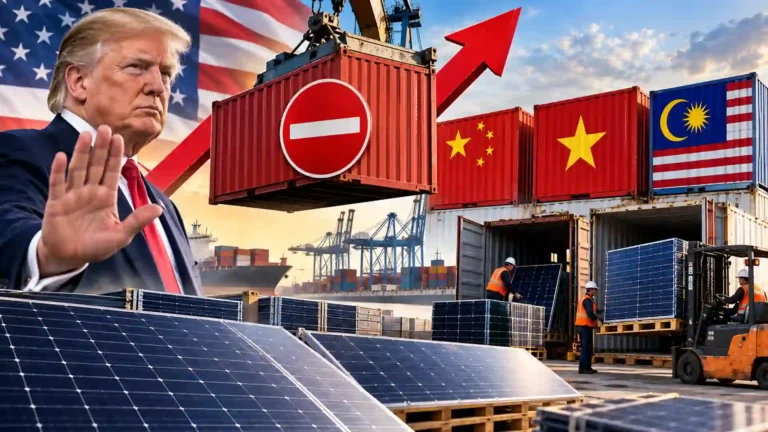
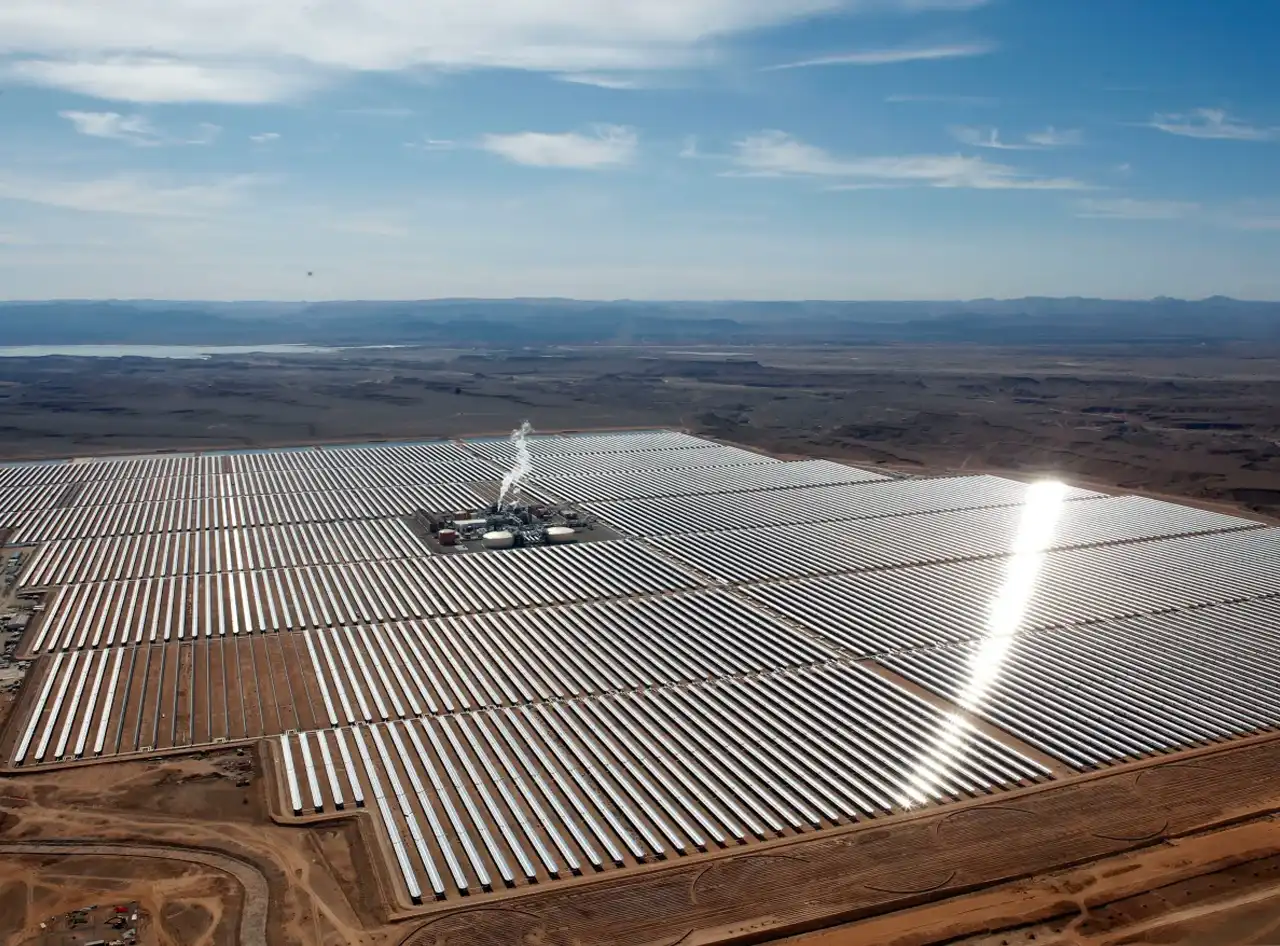
The recent policy shift by China is set to impact Africa solar costs, as the country moves to end export subsidies and tax rebates on solar panels and battery storage. Given Africa’s heavy reliance on Chinese imports for renewable energy infrastructure, this development is expected to increase project costs across the continent.
Africa solar costs rise amid China subsidy cuts
The decision is likely to influence the pace of solar adoption, although experts believe it will not halt Africa’s growing transition toward renewable energy. While the increase in costs may slow down some projects, solar energy is still expected to remain more affordable than traditional alternatives such as diesel power.
However, the impact may be more pronounced in areas like battery storage, which plays a crucial role in ensuring consistent and reliable electricity supply. Higher costs in this segment could challenge energy accessibility, especially in off-grid and rural regions that depend on solar solutions.
The situation also highlights Africa’s dependence on external supply chains and imported technology. Industry analysts suggest that the current shift could serve as a wake-up call for governments to invest in local manufacturing and strengthen domestic capabilities in renewable energy production.
Despite these challenges, the long-term outlook for solar energy in Africa remains positive. The continent continues to see strong demand for clean energy solutions driven by rising energy needs and sustainability goals.
In conclusion, while Africa solar costs are expected to rise due to China’s policy changes, the push for renewable energy will continue, with a growing focus on supply chain resilience and local production to support future growth.